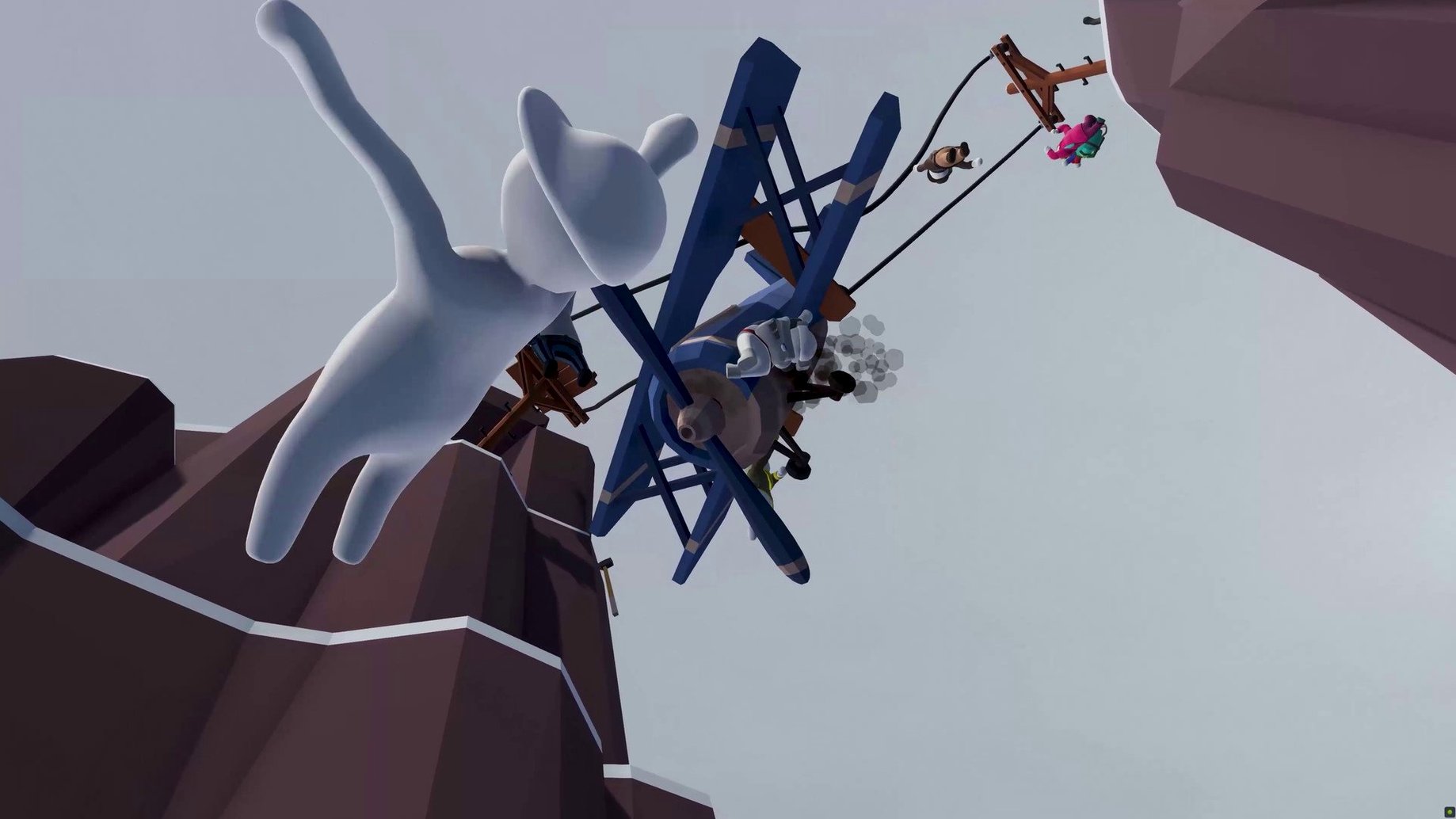
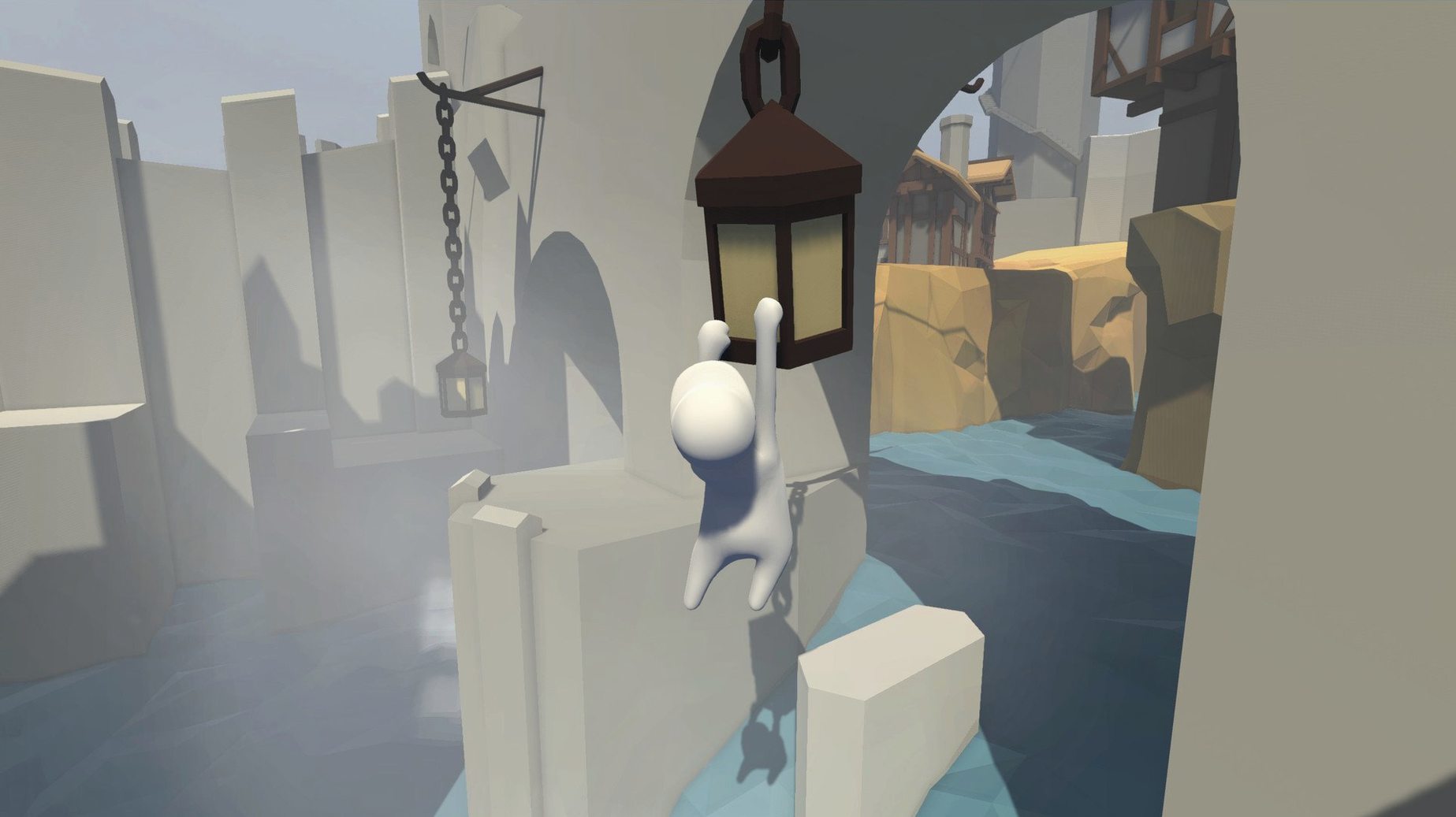
You grab a ledge. Your arms stretch like taffy. You swing a leg up and accidentally kick yourself off the wall. Your co-op partner is already in the sea, laughing.
Patience
Human: Fall Flat demands a willingness to fail. Controls are deliberately soft. Every jump is a negotiation with gravity. Players who enjoy the process more than the result will settle in quickly.
Curiosity
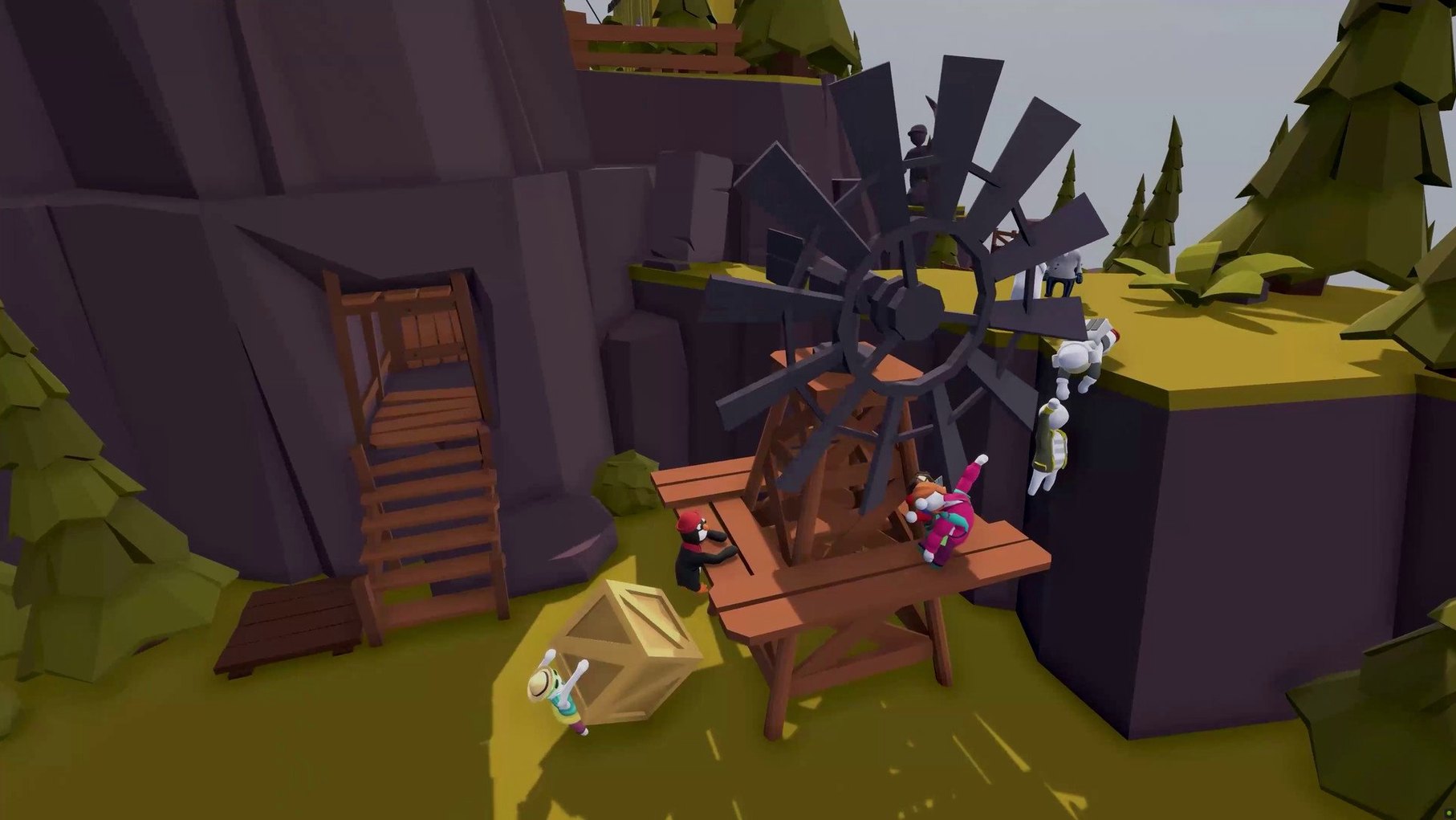
Mansions, castles, snowy peaks, and industrial yards serve as open-ended puzzles. There is usually a second way up. The game rewards players who wander off the obvious path just to see what is over the ridge.
Company
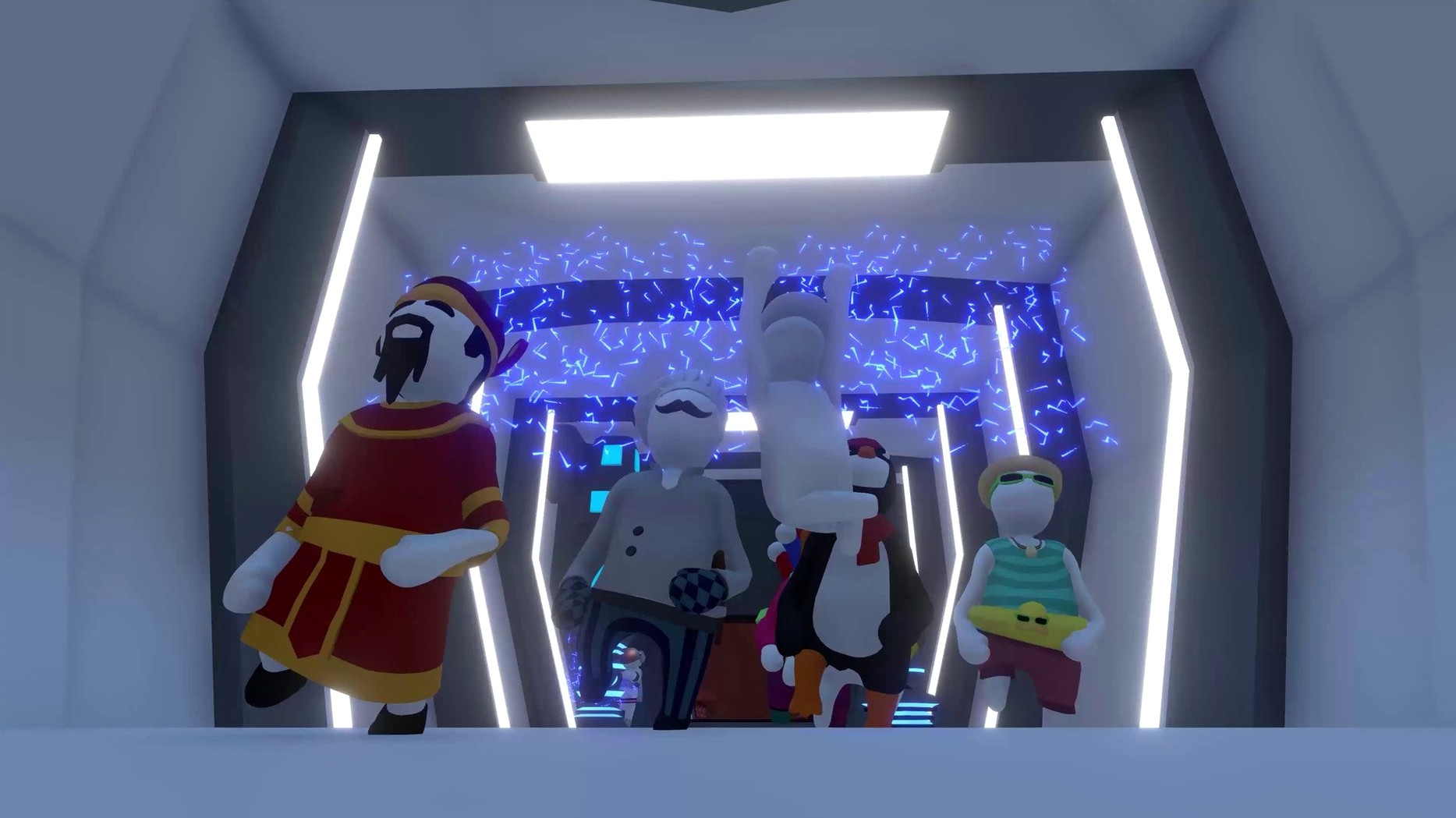
Solo play is a meditative physics experiment. With a friend, it becomes a slapstick generator. People who need precise platforming or clear signposting may find it frustrating.
Solo flop
Spend the first hour alone. Learn how the character falls, grabs, and climbs without commentary. Co-op magnifies the chaos — get your hands dirty first.
Rebind the jump and grab keys early. The defaults work, but a layout that lets you grip and swing without moving your hand will save hundreds of failed ledges.
Ignore the obvious route once. Levels like the castle and the mountain hide entire sections behind a detour. The game never tells you they exist.
Missteps
The biggest beginner mistake is treating momentum like a traditional platformer. Speed does not help. Deliberate, slow arm movements and small adjustments keep you attached to surfaces.
New players often skip the camera controls. Looking around mid-swing changes your center of gravity. Use it to tilt your weight over a ledge instead of trying to jump again.
Many people grab the first object they see and carry it through the whole puzzle. Sometimes the solution is to let go. The game rewards experimentation with physics, not inventory management.