
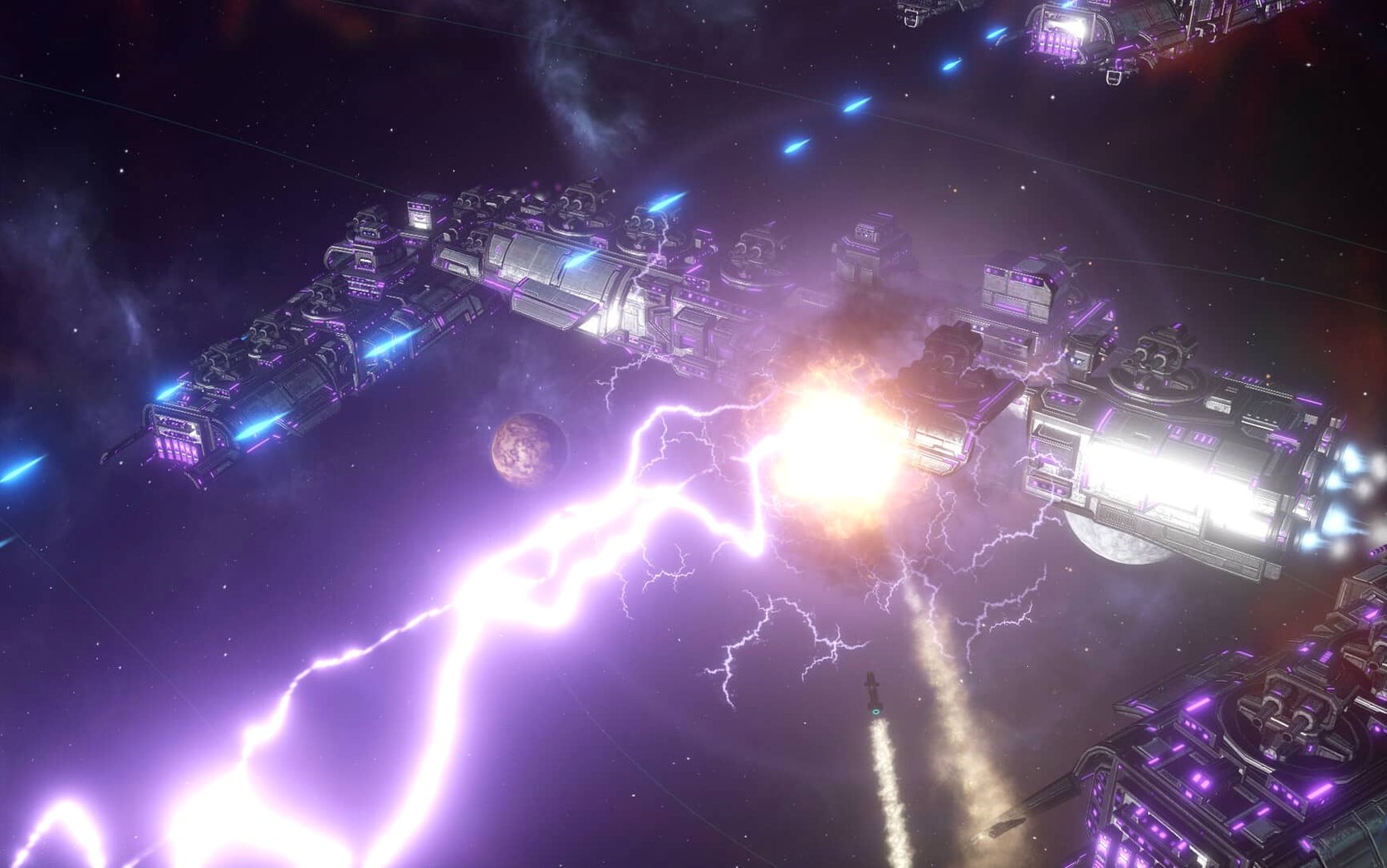
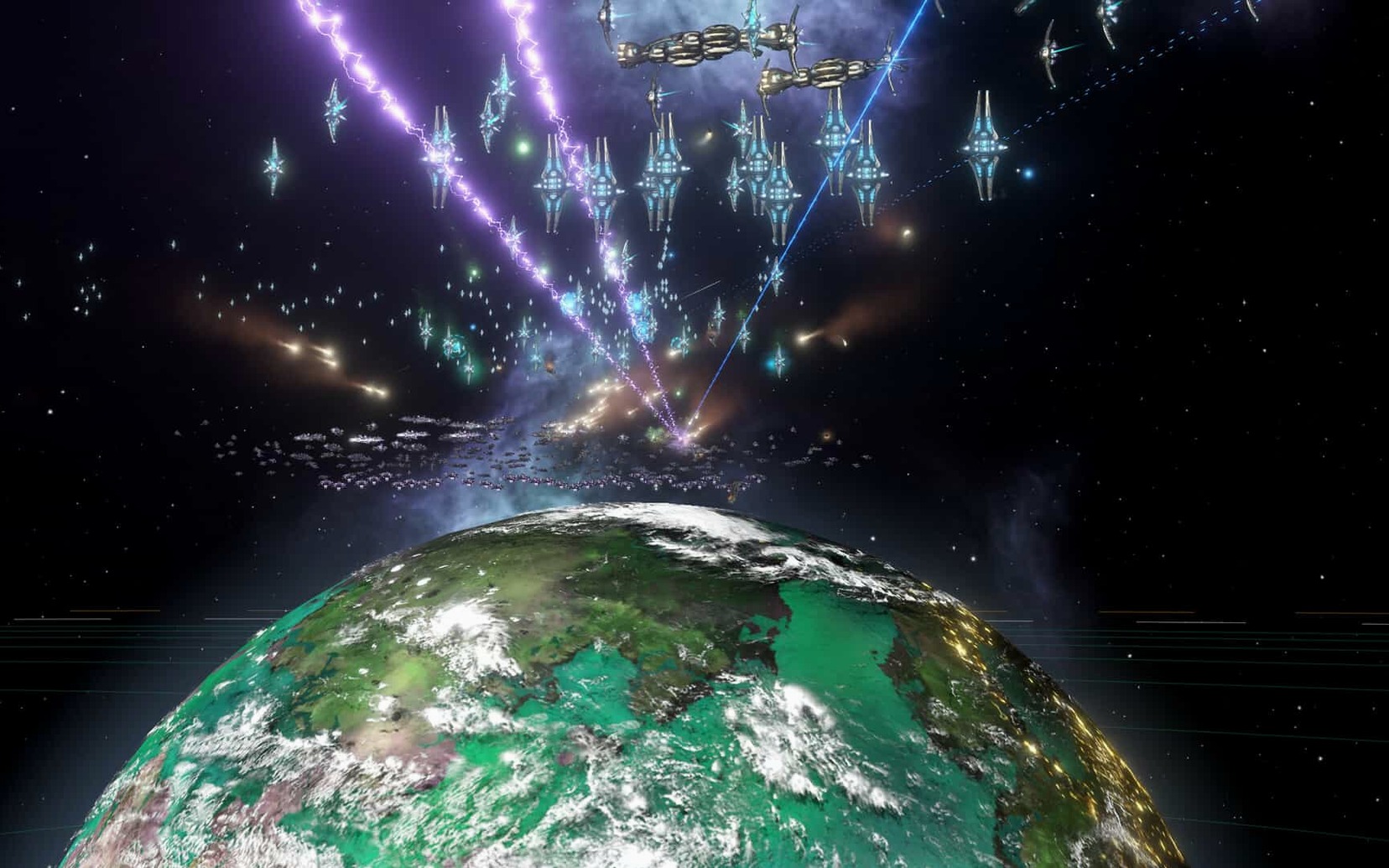
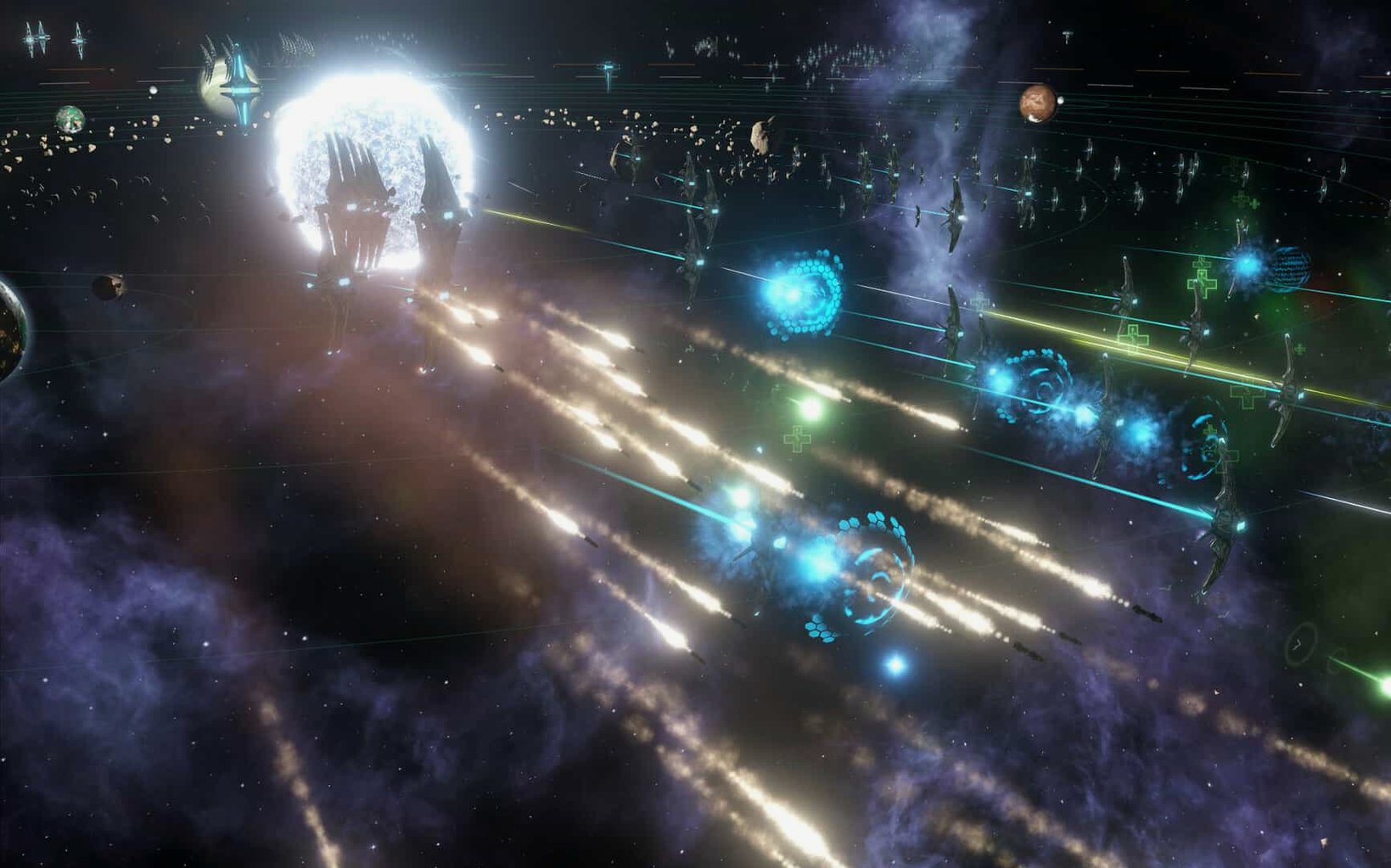
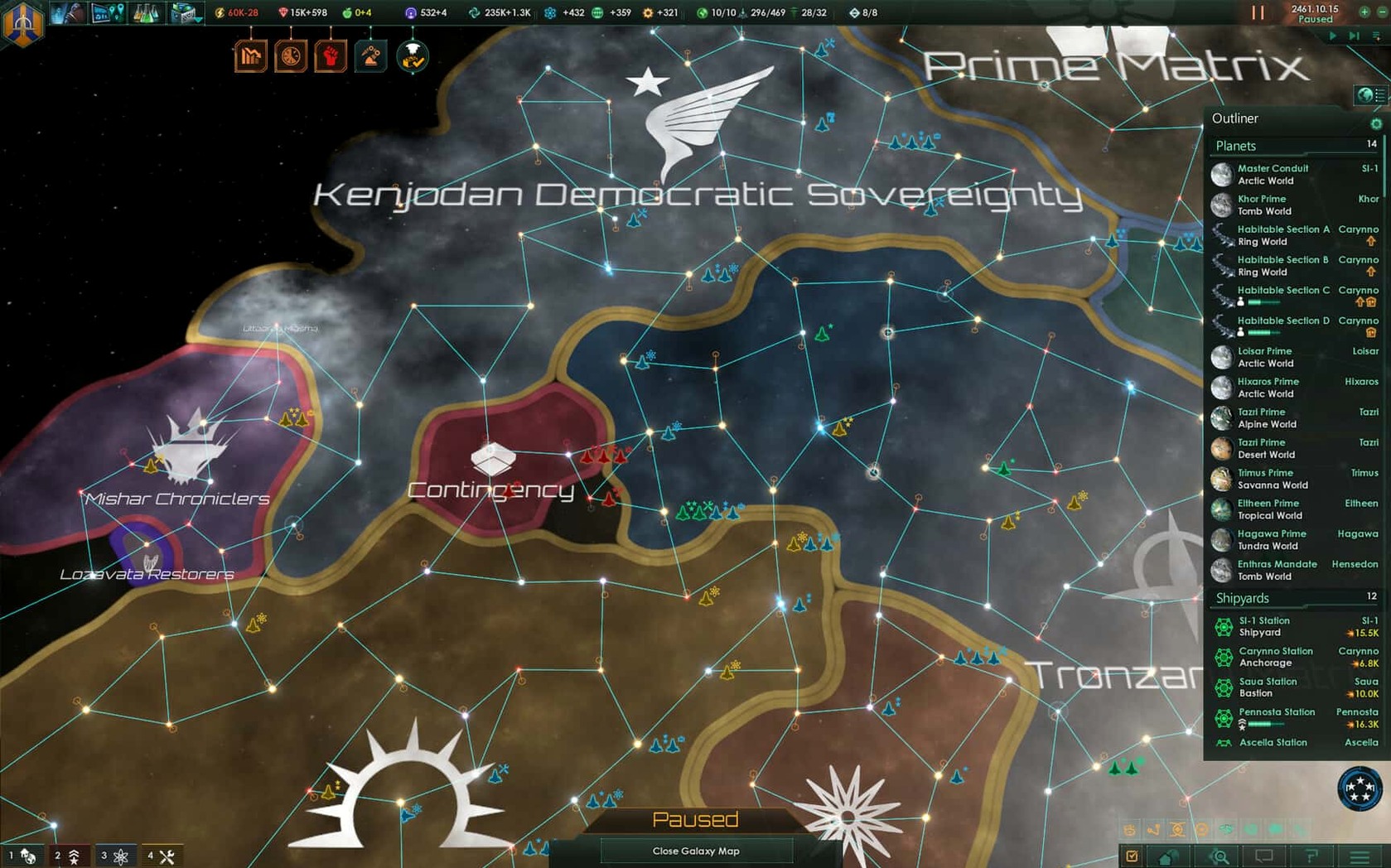
Version 4.5.1 settles the code. Crash fixes cover startup, galaxy generation, alliances, wars. Fleet automation now respects your choices. A Synaptic Lathe ownership snag is gone. The game runs quieter.
For the patient map-maker
You will spend a slow hour naming a nebula. Internal politics deepen as a colony grows restless and a governor demands autonomy. You set a budget, assign an AI mind to the region, and turn your ships toward a distant world unlocked by new tech. The joy is not conquest. It is watching a messy, self-made empire hum.
Who might step away
This is a sprawl of menus and small crises. A settlement with more inhabitants becomes a puzzle of management, not a spectacle. There are no quick victories. If you need a tight arc or a clear win state, the galactic map will feel like a second job. The game asks for a mind that finds calm in a long spreadsheet of stars.
Apps and the Mac
Stellaris sits well alongside a note-taking app. I keep a plain text file open for colony names and a tech path sketch.
The game respects standard macOS gestures. Swiping between spaces moves you to a wiki or a star chart without a hitch. Notifications from other apps stay muted when the game runs in fullscreen—a small mercy during a first contact crisis.
One way through
Start as a science directorate. Pause immediately. Queue a mineral survey of three neighboring systems while the game clock reads 2200.0.0. Split your first corvette fleet; send one ship to scout a pulsar two jumps out.
Open the situation log. Pin the nearest habitable anomaly. As science ships return samples, the tech tree shifts—unlock coilguns early if a hostile signal appears on the rim. By 2220, a colony is building energy grids. The clock runs at normal speed now. Diplomatic offers arrive; you set a monthly trade for alloys. Each pause is a breath. Each unpause is a bet.
Day tick crawl
The late-game map can feel heavy. On a busy galaxy with ten empires and a hundred ships on screen, the day tick slows perceptibly. The fan on an Intel Mac runs steadily, nothing alarming. Memory use climbs as the population grows but never leaks overnight.
Stability holds. Across long sessions, no mid-war crash interrupted a bombardment. Autosaves write quickly. The only friction is the pause between late-game years—a brief, silent beat while the simulation crunches end-of-cycle faction math.