
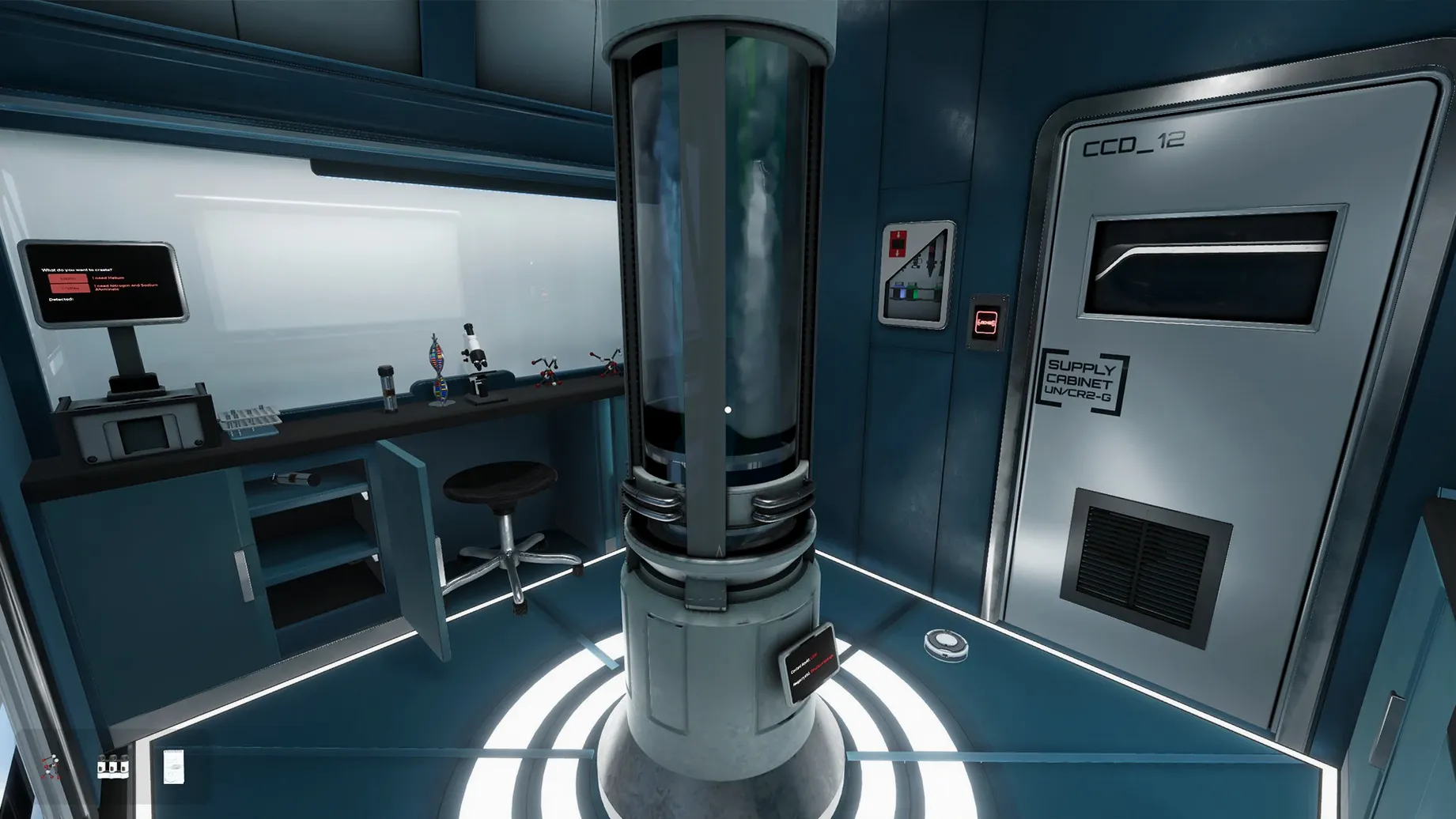
The token slot. That is the first thing you notice. A coin sits on a table nearby. You pick it up, turn it over in your hand, slide it in. A drawer clicks open.
Grab Everything
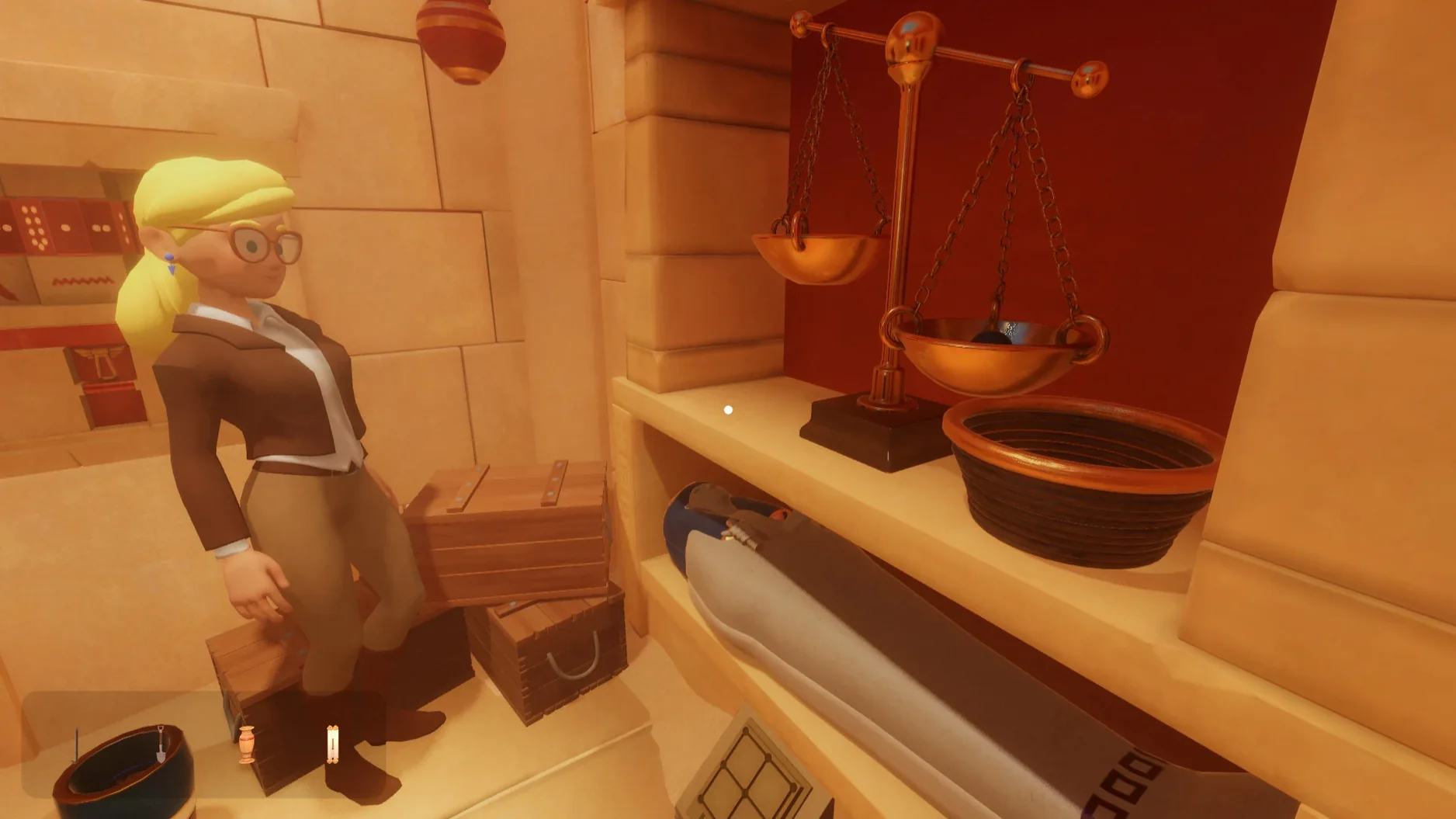
- You walk into a room. Every drawer, book, and vase is a physical object you can grab and rotate.
- Clues hide in plain sight. A torn poster reveals a number. A clock face hints at a combination.
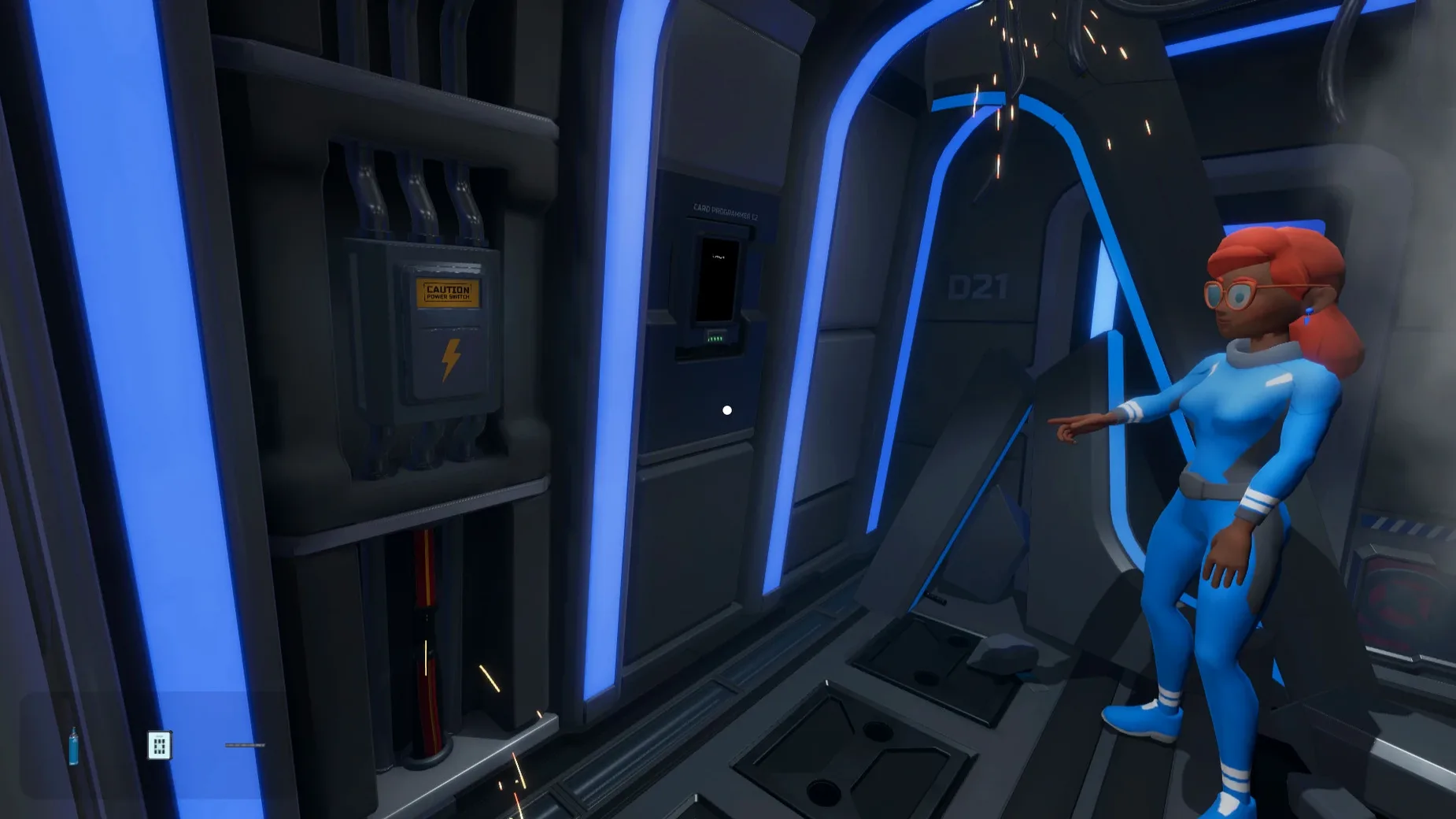
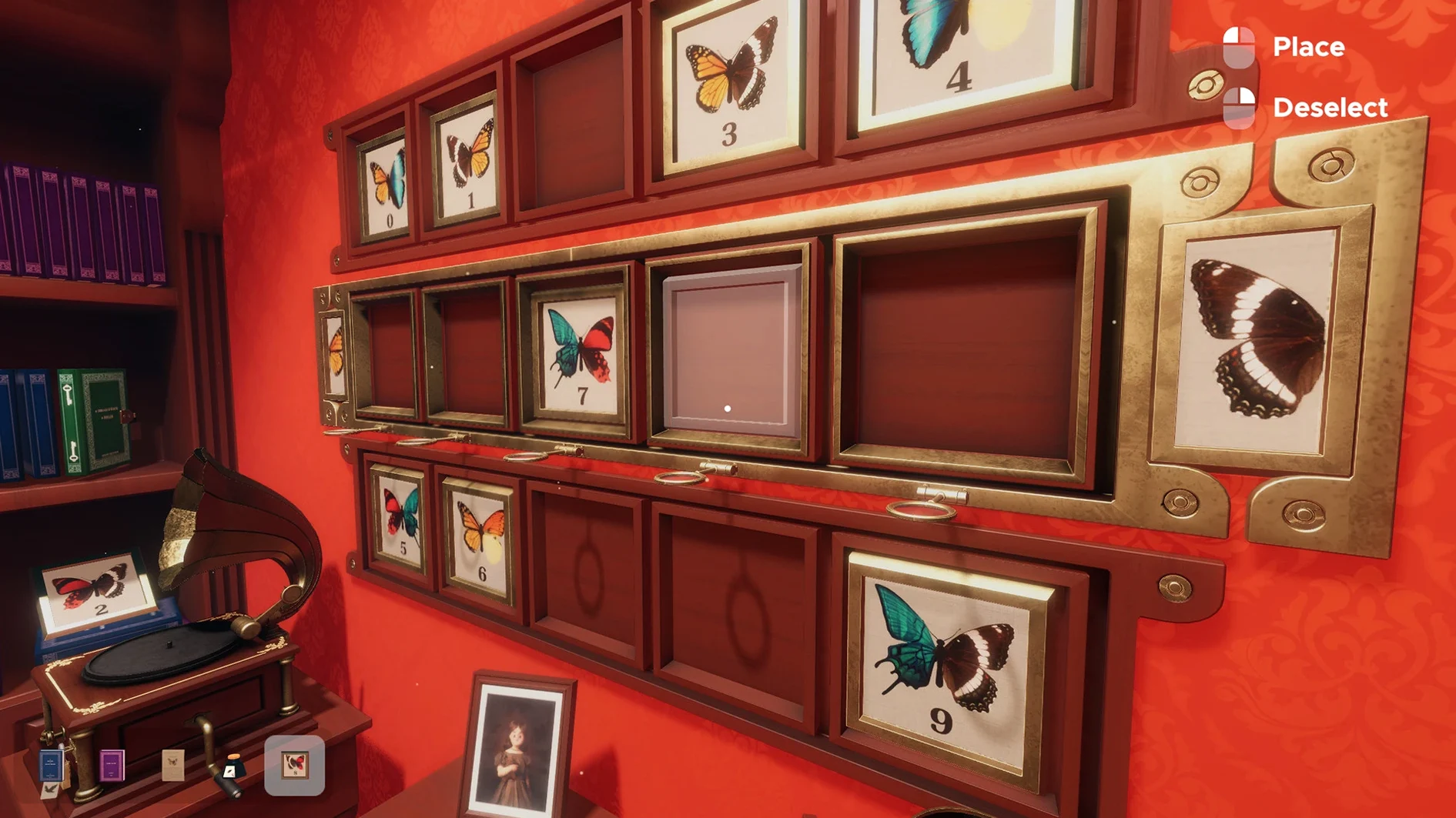
- Objects interact directly with locks, slots, and pressure plates. No abstract inventory puzzles.
- You hit a wall. Your co-op partner spots the symbol you overlooked. You move forward together.
The editor
When the included rooms run out, the community has built over two thousand more. The same room editor the developers used is in your hands. You place objects, set logic, and share the result. Hours dissolve.
A teacher preparing a rainy-day logic exercise uses the community rooms differently than most. She sorts by difficulty, picks a short 15-minute room, and runs it solo first. The next day she projects it in class. Students call out what to examine, which drawer to open next. No one needs a manual. The physics do the teaching. One kid grabs a chair and moves it aside — underneath is a chalk mark with a date. That moment sticks longer than a worksheet ever could.
Beginners tend to overthink. A common first mistake: ignoring the room itself as a clue. New players stare at the lock interface and cycle through combinations they found in notes, never noticing the tilted painting frame that aligns with the wallpaper pattern. Another slip: grabbing everything but examining nothing. Objects in Escape Simulator turn in your hand. A vase has a bottom. A book has a spine. Rotation matters.
Online co-op introduces its own traps. One person hoards items while the other waits, both stuck. Spread the objects on the floor between you. Talk through each find. The game rewards shared attention, not speed.