A guitar plug-in with a monophonic synthesizer inside the amp suite.
Overlord
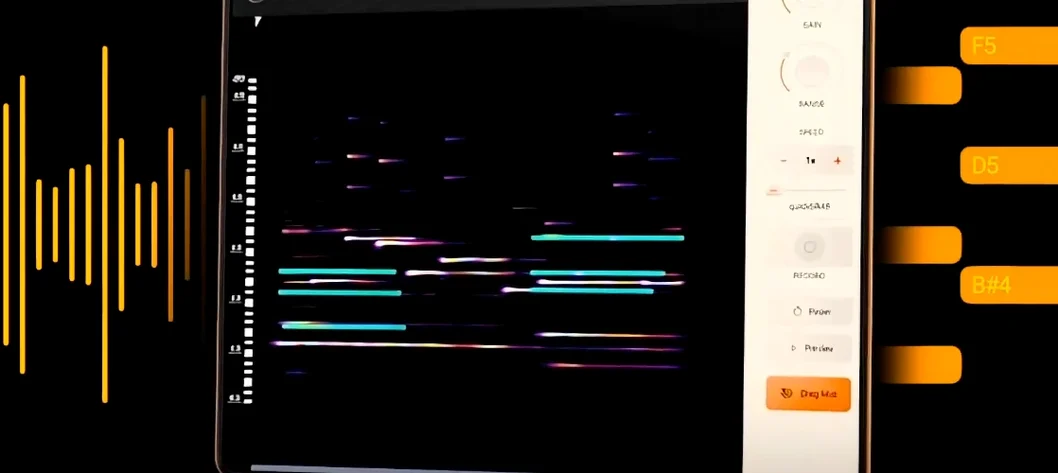
One or two oscillators triggered by your guitar, pitch tracked without MIDI. A saw wave under a distorted amp, the filter on an expression pedal. It feels like a second instrument.
The rest
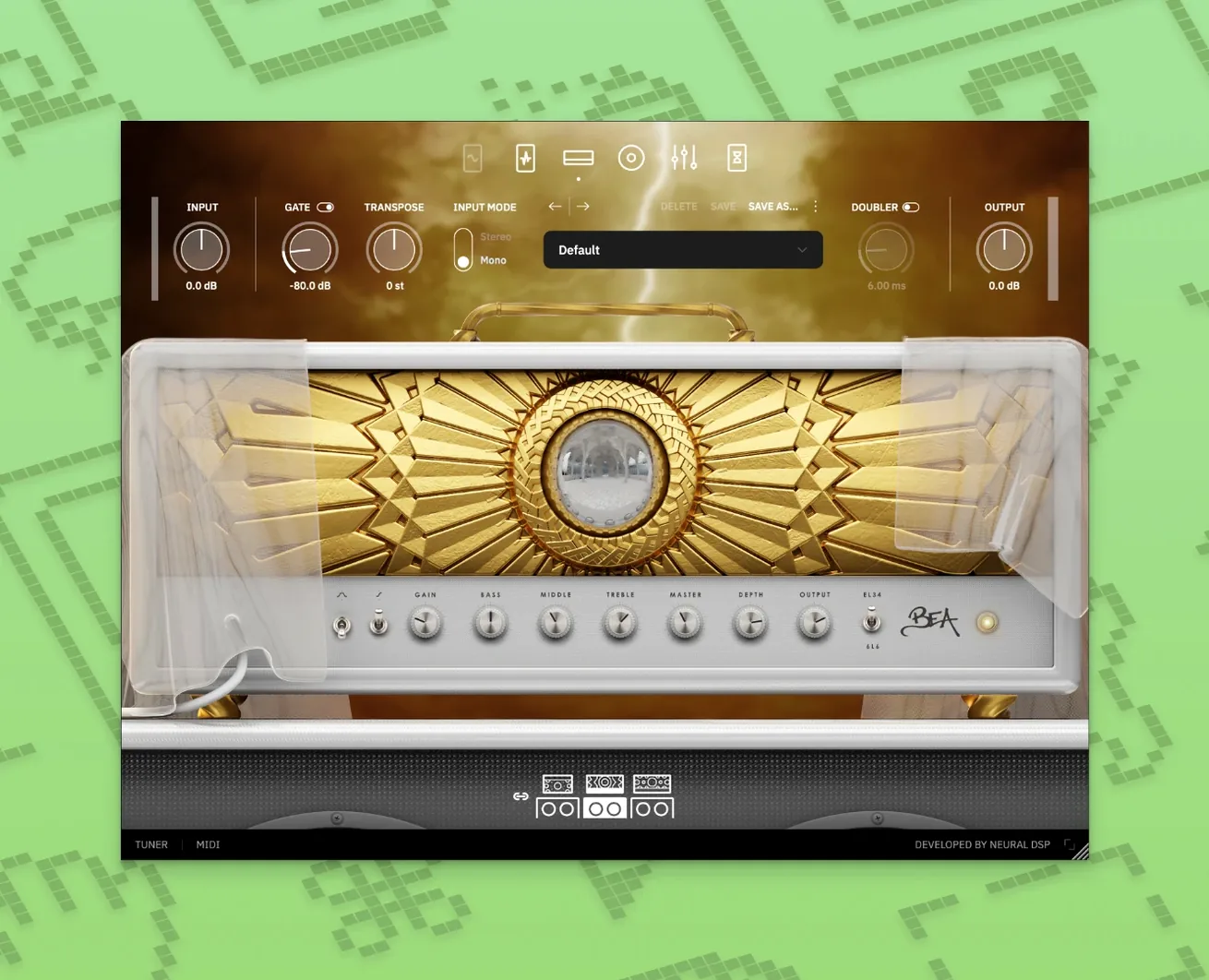
Three amps for clean, crunch and high gain. Compressor, overdrive, delay and reverb where you expect them. The cab section loads impulse responses. Synth and guitar can run in parallel or feed each other.
Tighter low tuning
Version 1.0.1 tightened the tracking on lower tunings. Drop G and below stay in tune with the synth now, no wavering on the initial transient.
Neural DSP also fixed a small UI drift when opening the plugin on an external display. The delay tempo sync behaves in standalone mode as it should.
In daily use, these are invisible fixes. You notice them only because they’re no longer in the way.
Monosynth hooks
Session players who need to move from a DI clean to a saturated lead with something unusual in between. The monosynth turns a bridge into a hook without leaving the guitar chair.
Bedroom producers building dense rock tracks find the parallel signal chain essential. Bass on one path, synth on another, both from one take. Less editing.
Live performers using a Quad Cortex get the same blocks in hardware. The patch translates. One less variable on stage.
Silicon RAM load
On Apple Silicon the plugin loads without translation delay. A single instance sits around 160 MB of RAM in Logic under moderate cab impulse responses. CPU moves gently on a two-oscillator pad; dense chords with reverb tail add a percent or two more.
Older Intel Macs benefit from the standalone app. Bypassing the DAW’s overhead keeps latency low. The buffer sits happy at 128 samples on a 2019 iMac.
No crash in a week of switching between AU and VST3 in Ableton Live. Patch changes are instant. It’s indifferent to heavy session loads.