
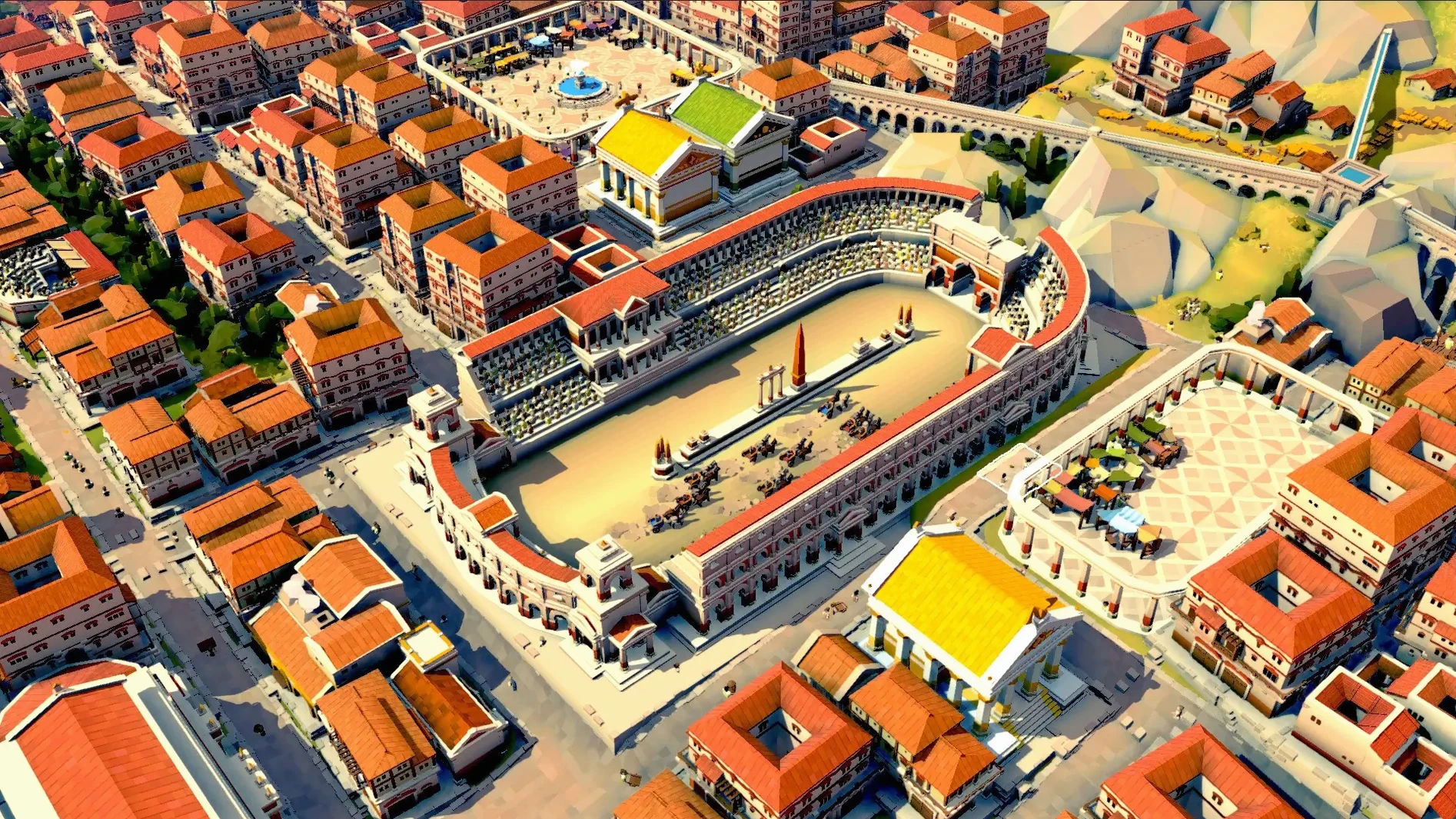
The Aqueduct panel is open. You trace a path from the hillside spring down to the reservoir, watching the gradient number shift from green to red and back. A single misplaced segment will starve the bathhouse in summer. That is the quiet tension of Nova Roma.
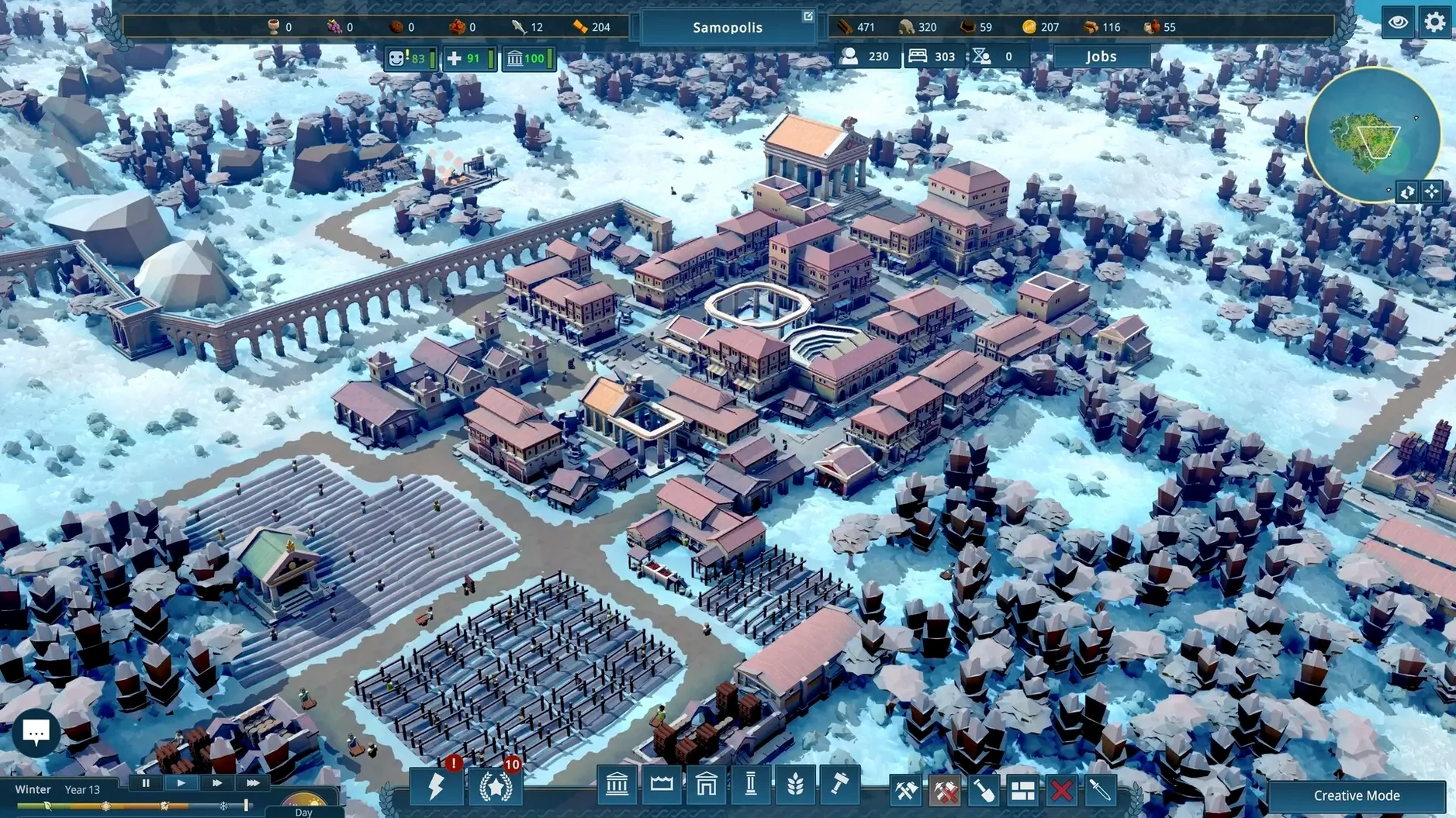
The game starts with a handful of tents and a wheat field. Soon you are staring at a law screen, deciding whether a grain dole will calm unrest or drain the granary before winter. Citizens train as actors, craftsmen, or gladiators — each path shapes what the settlement becomes. Weather arrives on schedule. The gods watch your festivals and judge them.
Physical supply
- Players who enjoy supply chains with real physical constraints
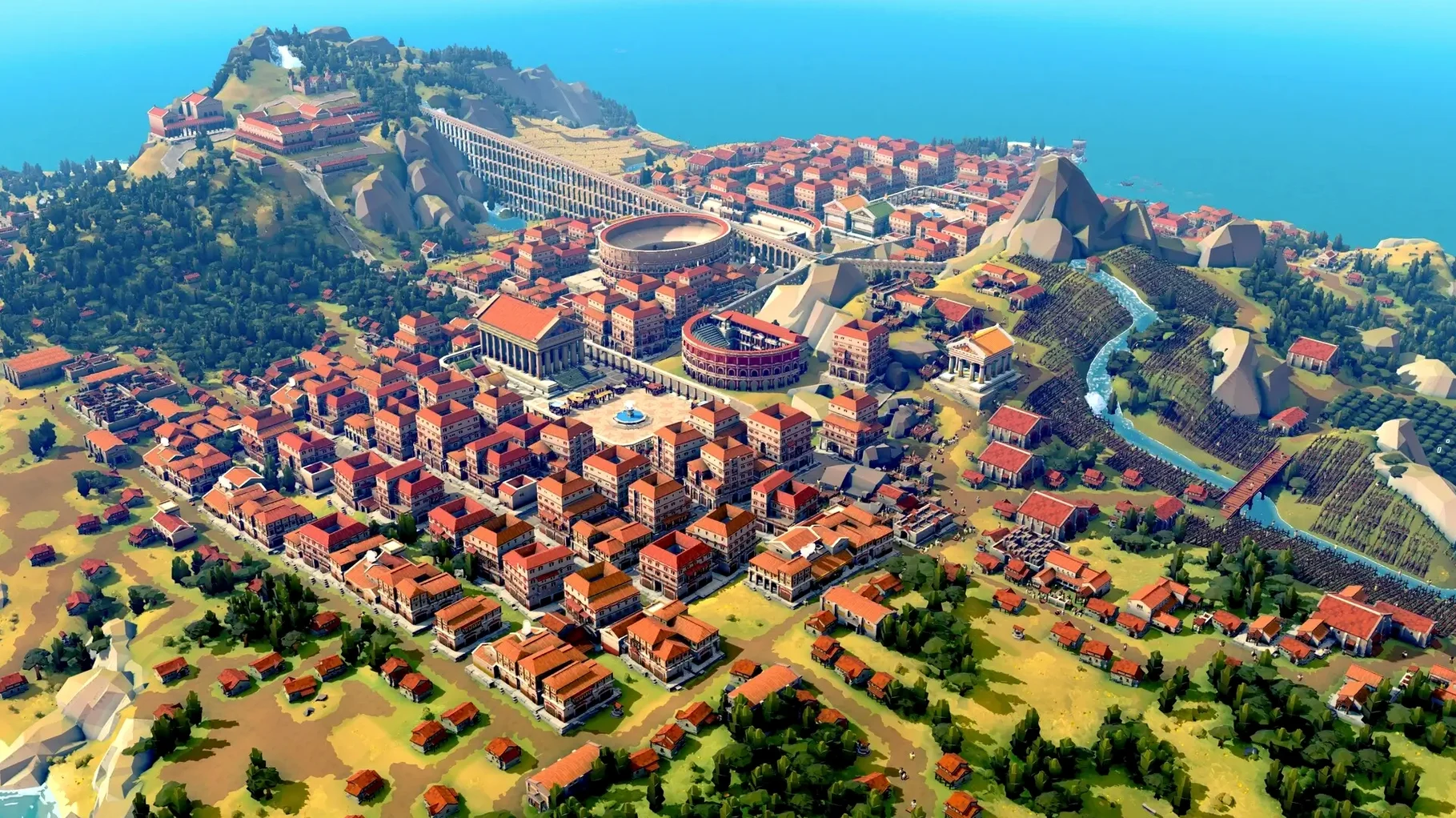
- Watching a small village evolve into a proper Roman city
- Managing mood through laws, not just buildings
Cascading failures
- Still in active development
- Systems interlock; a failed harvest can cascade into temple neglect
- No military combat outside the arena
Hidden shortcuts
Hold Shift while placing a road to keep it straight. The game rarely tells you this.
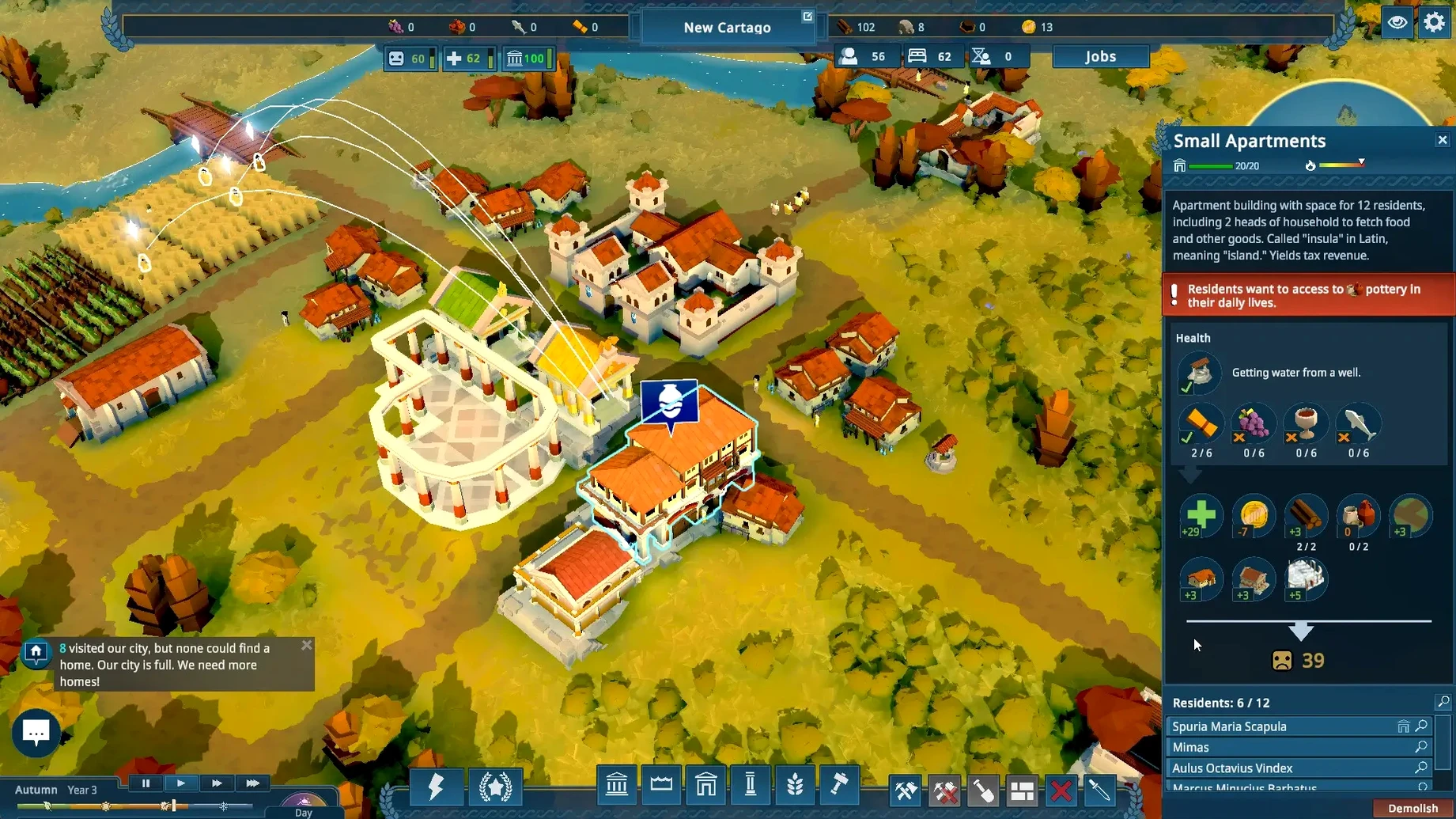
Right-click a citizen to follow their daily route. Watching a baker walk from granary to oven to market explains more about supply chains than any tooltip.
The minimap remembers your last zoom level between sessions. Double-clicking it jumps the camera to a trouble spot — a fire, a riot, an empty shrine.
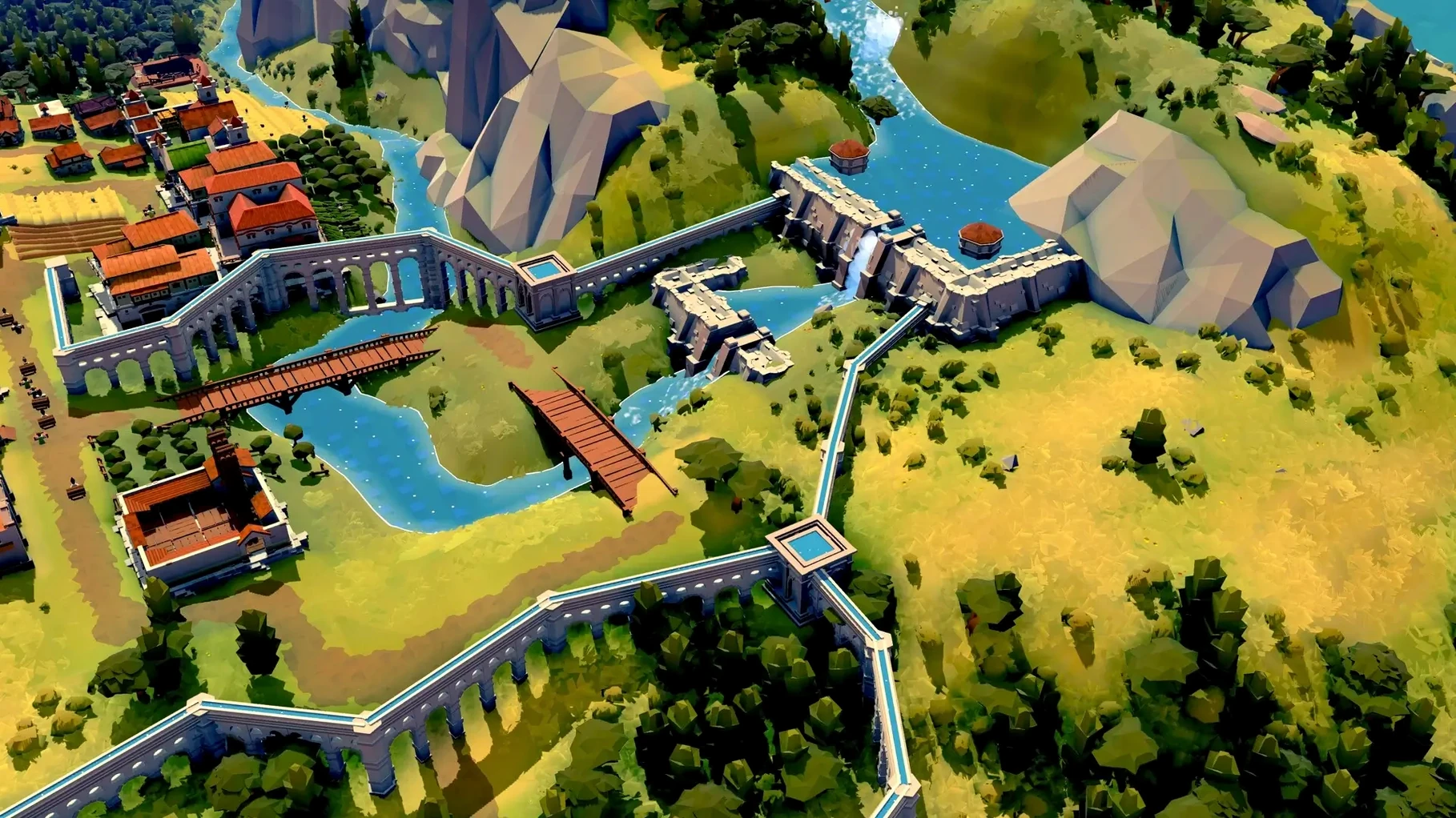
Water overlays stay active while you build. Leave the hydrodynamics layer on when laying aqueducts; you can see pressure drop in real time instead of guessing.
Yield previews
Version 0.7.2703 settles the early game. Wheat fields now show estimated yield before planting, so the first harvest is less of a gamble.
Aqueduct editing has fewer confirmation dialogs. You can drag a segment to adjust its angle without dismantling the whole run.
Festival costs appear in the calendar view. Planning for the Vulcanalia no longer requires a trip to the treasury screen and back.
Gladiator training queues show which citizen is next. Small change, but it ends the old habit of counting days by hand.
A water project, start to finish
A new district sits on a slope above the river. The bathhouse needs steady pressure.
- Open the water overlay and find the spring on the hillside. Note the elevation marker.
- Lay a stone channel down toward the reservoir. Keep the grade between four and seven percent where possible.
- Place the reservoir on level ground, then run a second channel to the bathhouse. Check the pressure reading at the inlet.
- Zone a few houses near the reservoir. Workers arrive faster when they live close to the infrastructure they maintain.
- Wait through one summer. If pressure drops, shorten the run or add a second reservoir midway.
The aqueduct does not need to be pretty. It needs to hold.