Most 4X games drown you in busywork. You queue buildings, shuffle units, and wait for the next tech. The turns blur.
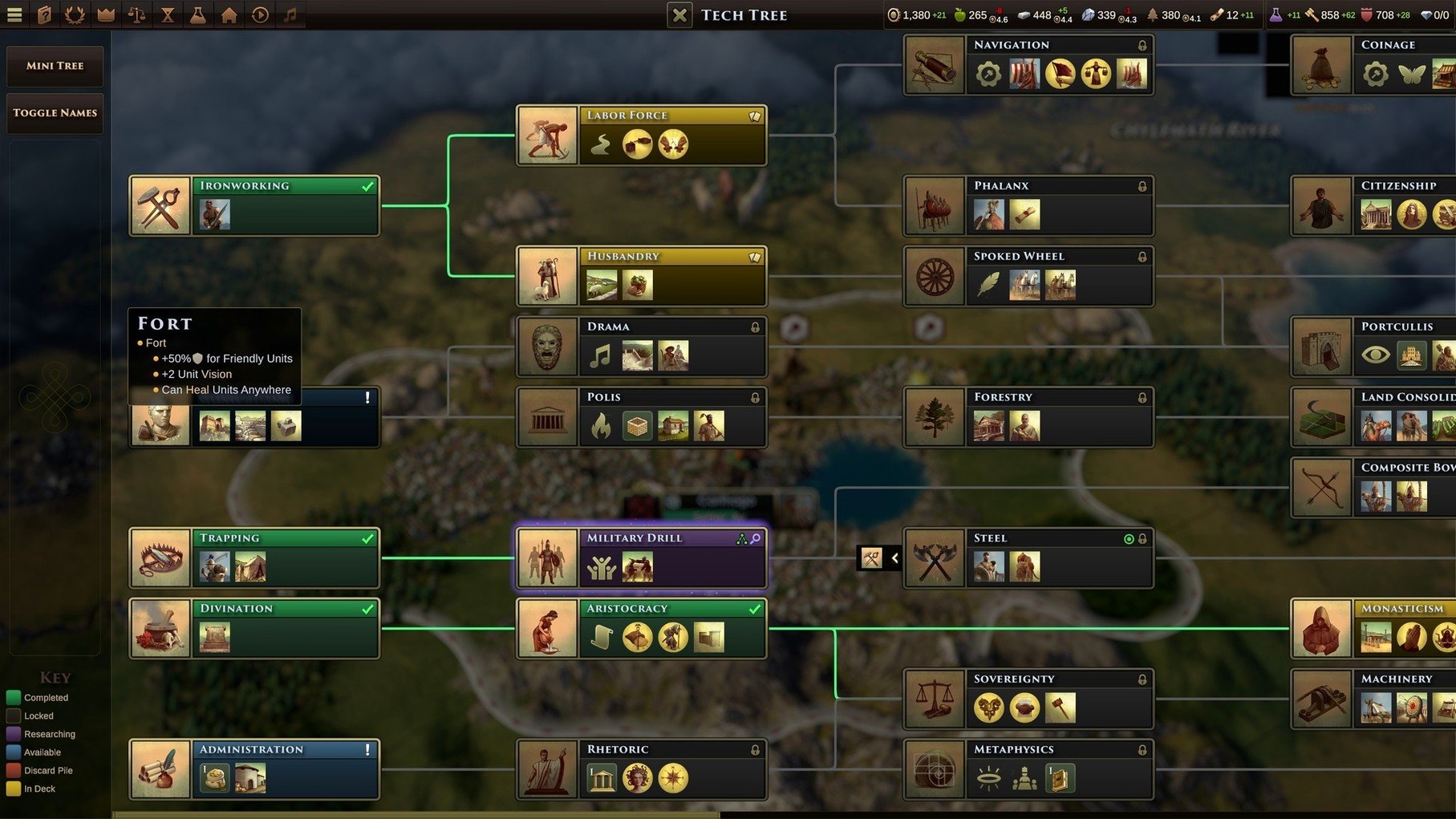
Old World removes that haze. You get a limited pool of Orders each turn. Move a scout. Train a soldier. Improve a mine. Each click spends from the same account. The game asks you, quietly and constantly, what actually matters right now.
One turn
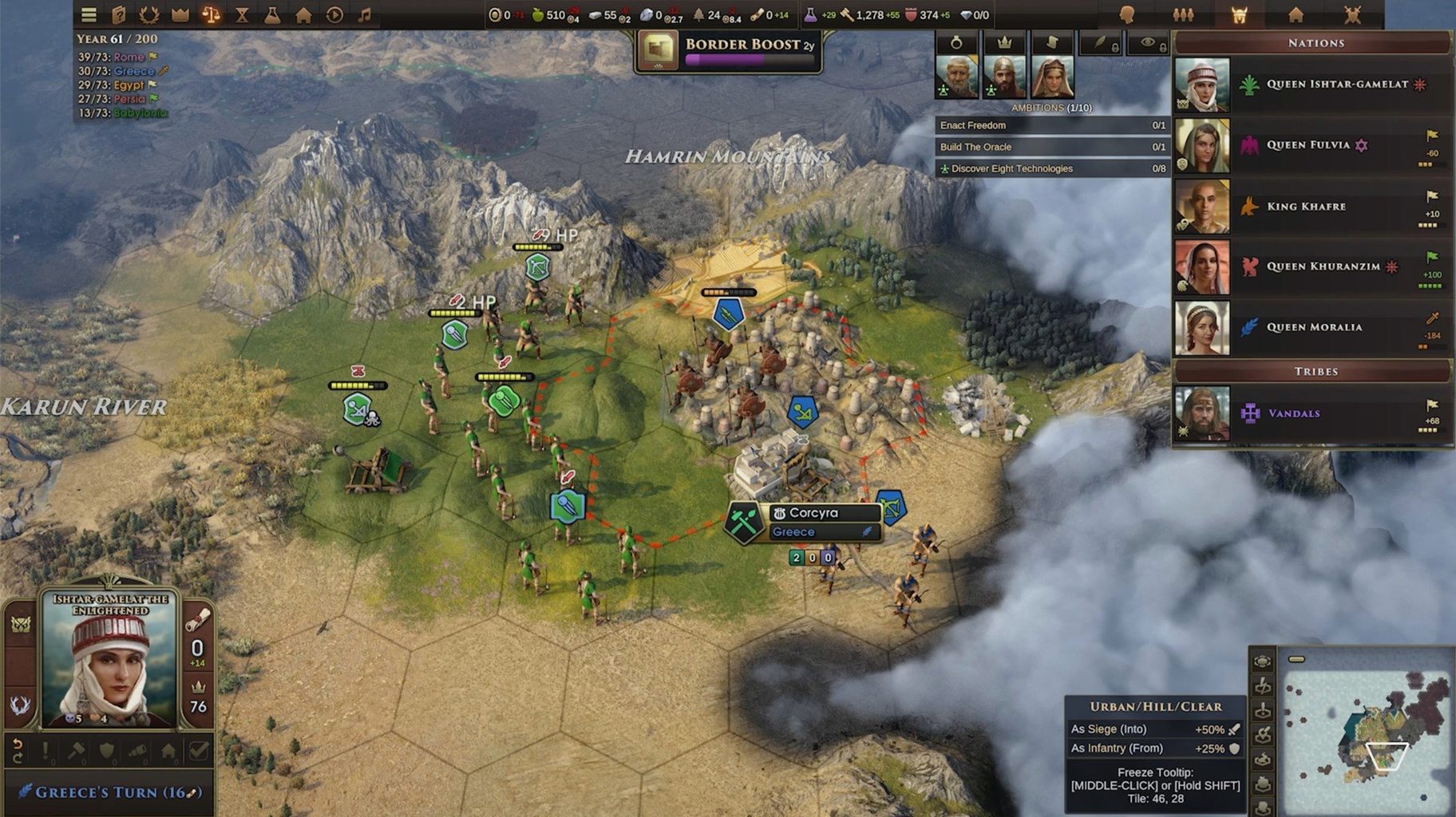
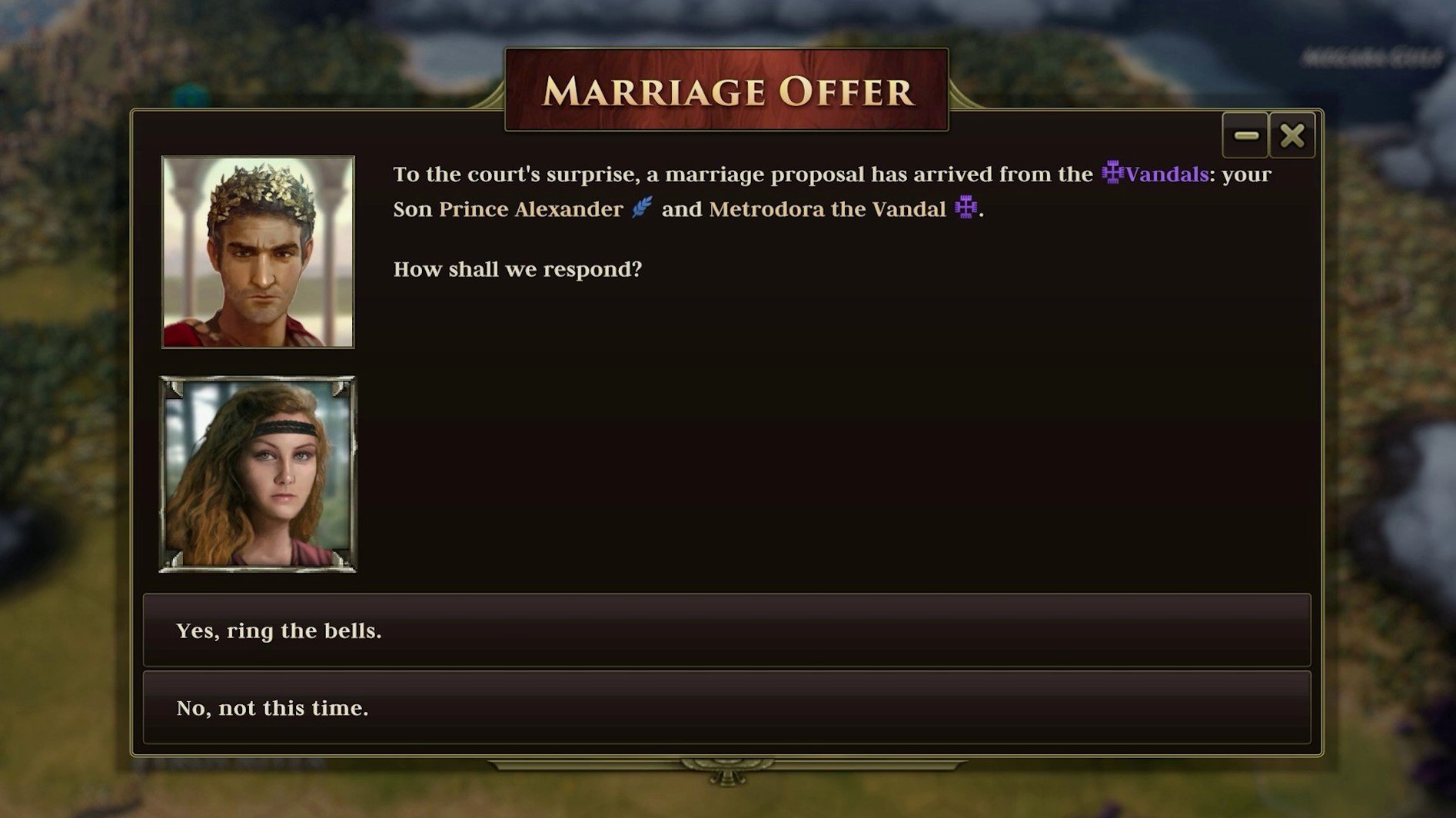
You open with a marriage proposal. The bride brings a truce with a rival kingdom. You spend Orders moving two units toward a barbarian camp. Your heir is born. You assign a governor. You run out of Orders. The year ends.
Characters age and die. Noble families jockey for influence. A slight from ten years ago becomes a war because the insulted king is still alive and still angry. You are not managing an empire. You are steering a dynasty through its own fragile timeline.
Seven kingdoms
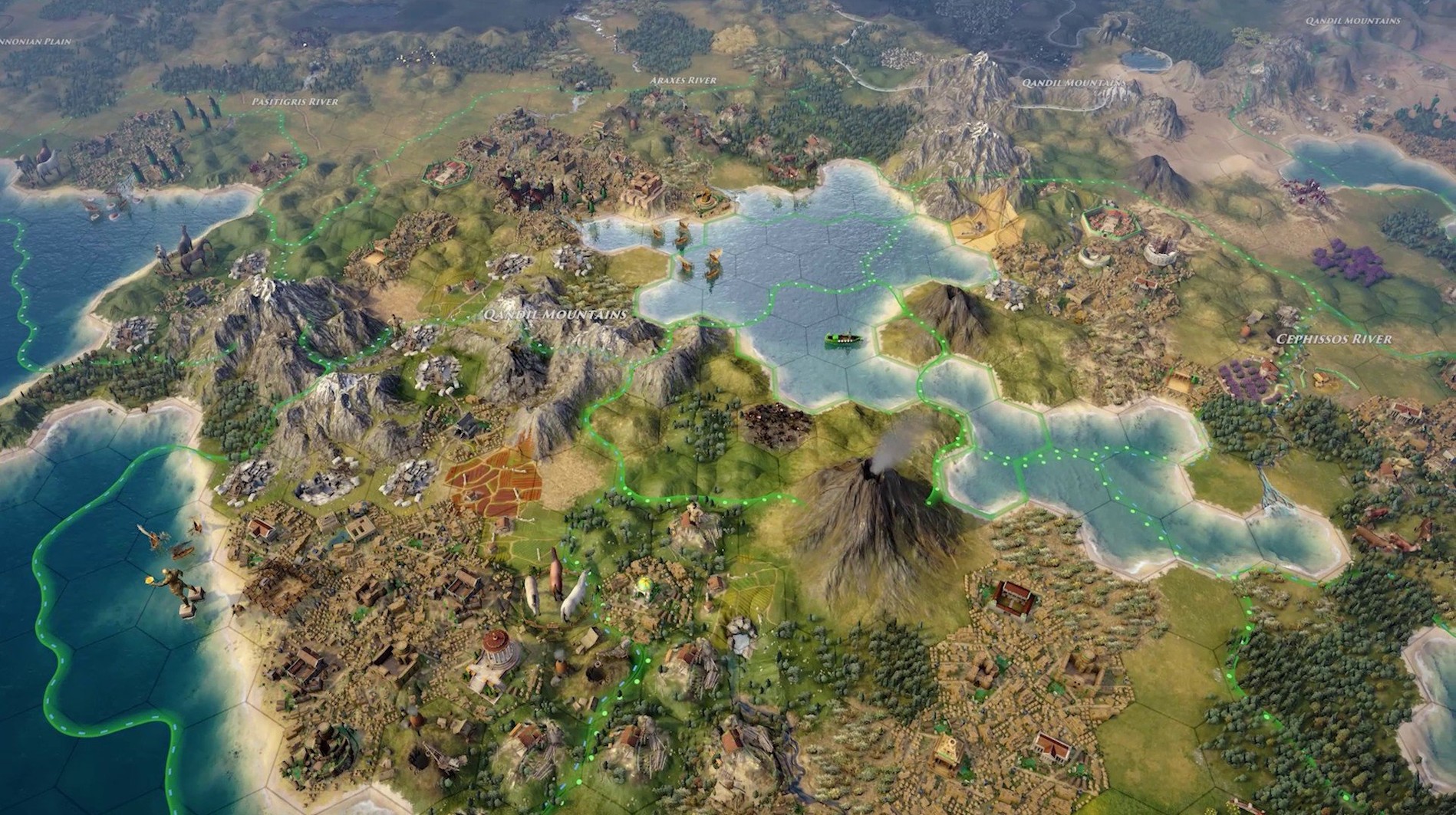
Each kingdom contains four noble families with distinct personalities and ambitions. The map comes alive through historical scenarios, weekly challenges, and hand-made or random layouts. Multiplayer includes hotseat, asynchronous play, and cloud play. The game runs on both Apple Silicon and Intel Macs.
A campaign turn, start to finish
Open a historical scenario as Rome. The map is known. Carthage is the threat.
First, spend three Orders on diplomacy. A trade mission raises opinion by a few points. Not enough, but it buys time. The next Order moves a scout north to uncover a barbarian camp. Two more Orders train a slinger in the capital. The last Order goes to the domestic screen—you betroth your niece to a Carthaginian noble family. The truce holds for another year.
You press end turn. Events fire. A governor demands a title. Granting it costs legitimacy, but refusing sparks a grudge that outlasts the decade. You grant it. The year ticks forward. Your king ages. His heir is only six. The game does not pause for anyone.
Hand-made maps
The game loads a hand-made map in seconds on Apple Silicon. Late-game turns with many units stay responsive. The interface never stalls during event chains or AI moves. Memory use stays modest even after hundreds of turns.
Multiplayer over cloud play adds a tiny delay between turns, no worse than email chess. Hotseat on the same machine is instant. Autosaves write quickly, with no perceptible hitch.
Character histories
Right-click any character portrait to open their full history. Marriages, rivalries, injuries—all of it stays. The game keeps track even when you do not.
Hold Shift while giving a move order to queue waypoints. Your unit walks the path with one Order instead of several. The game does not advertise this anywhere.
Double-click the event log to see every decision from the current year. This helps when you inherit a kingdom mid-crisis and need to understand why two families are feuding.
Most Orders shortcuts are single keystrokes. M for move, A for attack, B for build. You can play entire turns without touching the top bar. The design trusts you to learn the rhythm.