Version 1.1.22 fixes a crash that could break immersion right when the tension peaked. A small change that keeps the dread uninterrupted.
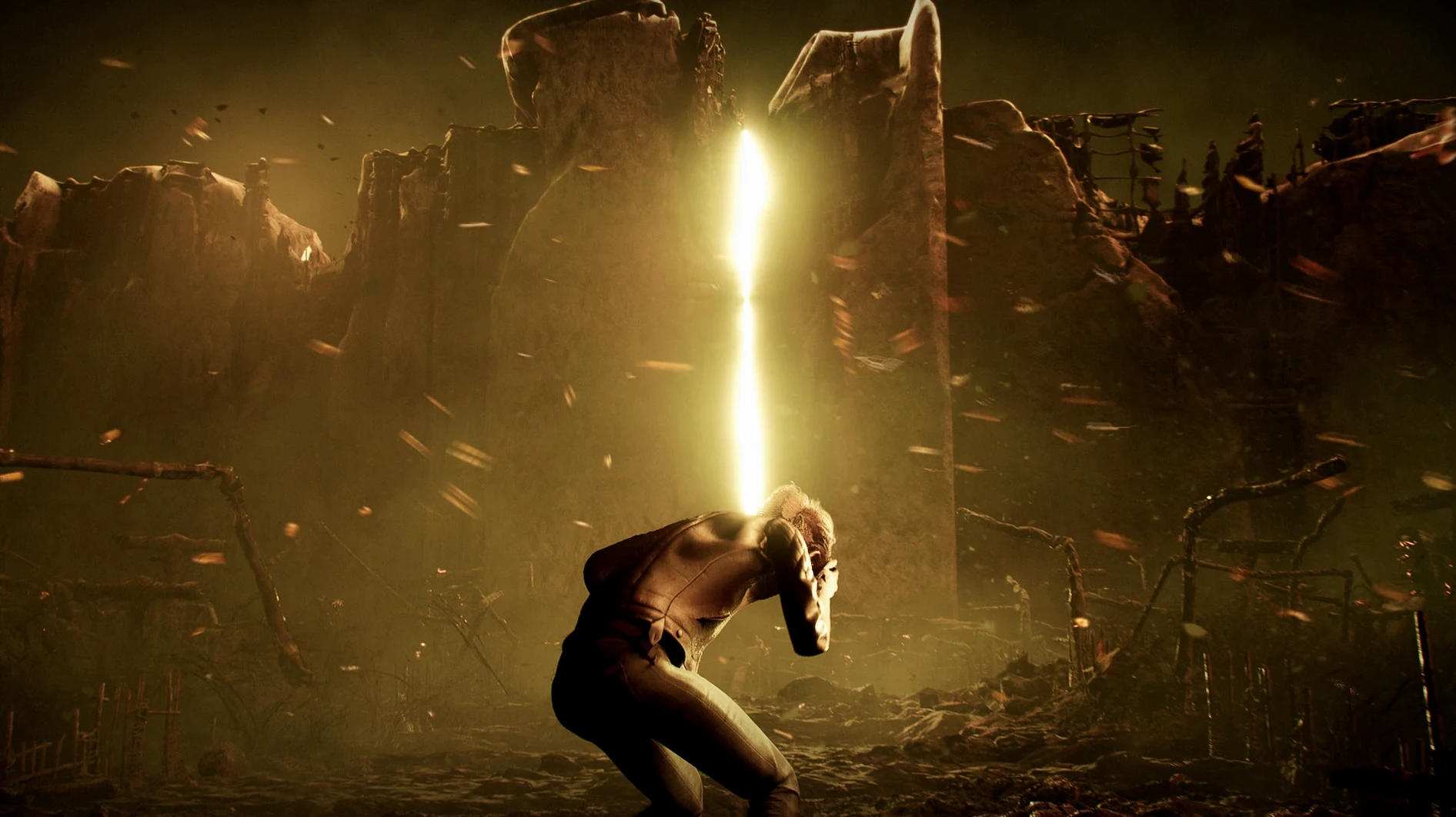
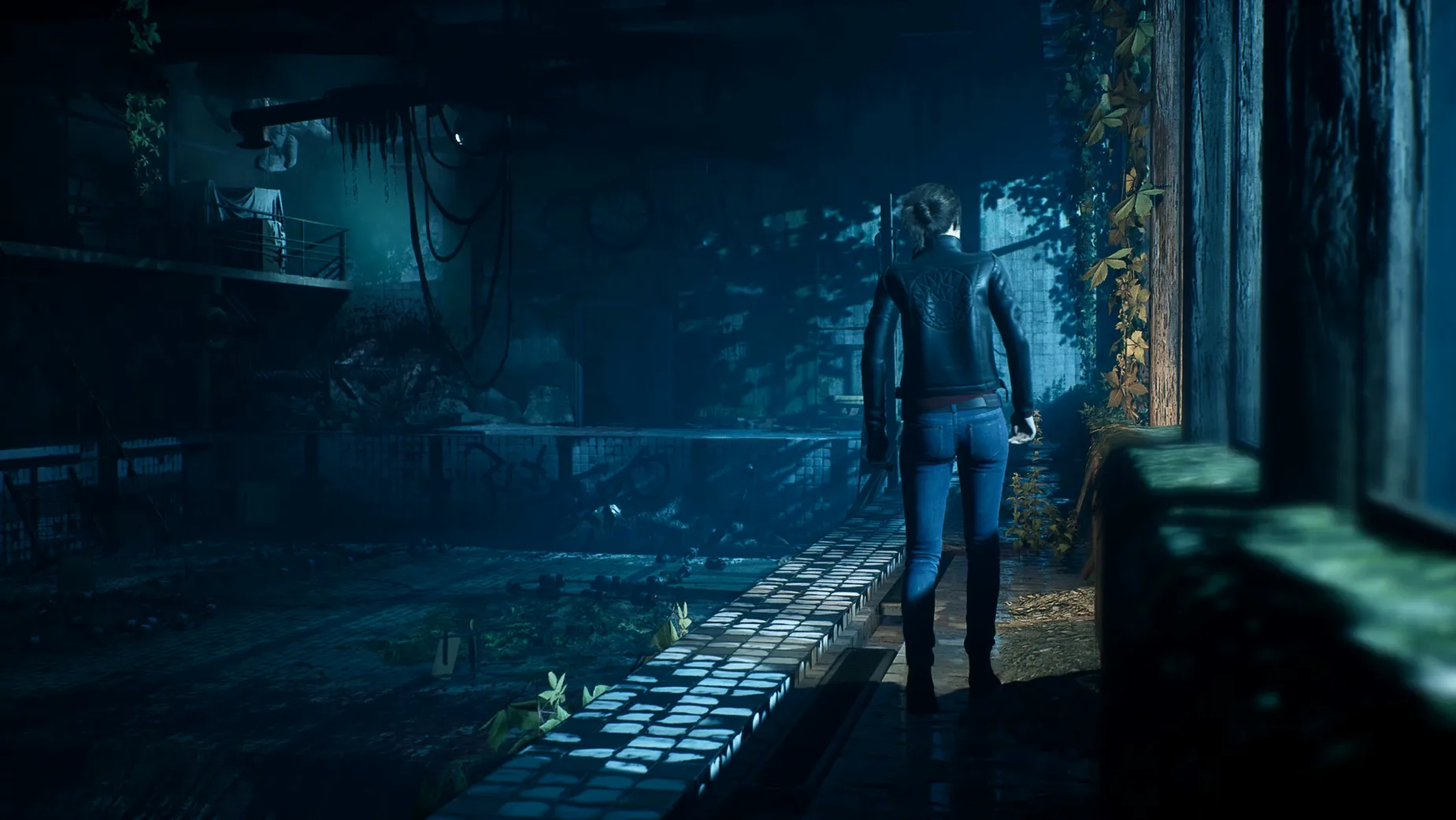
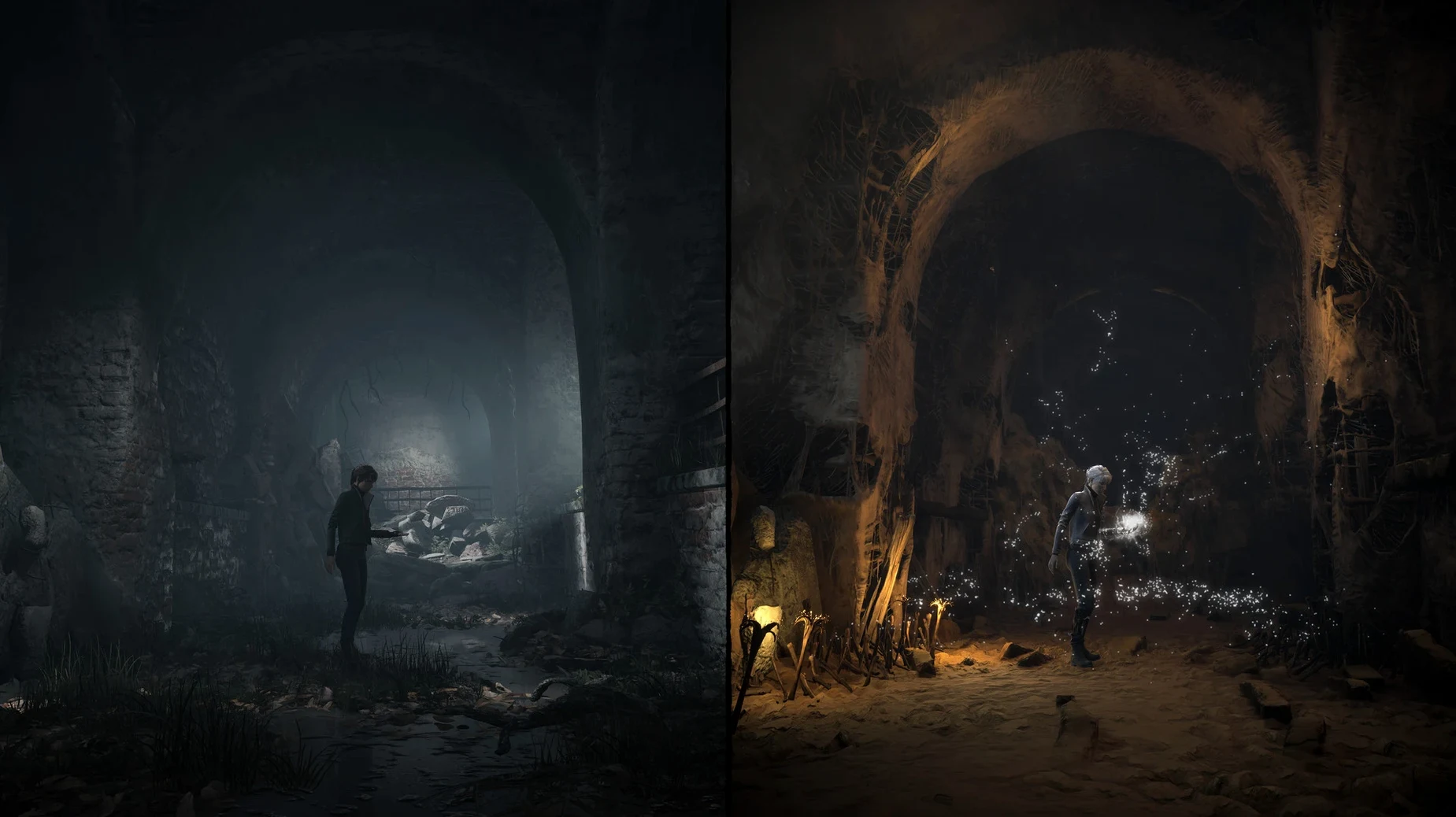
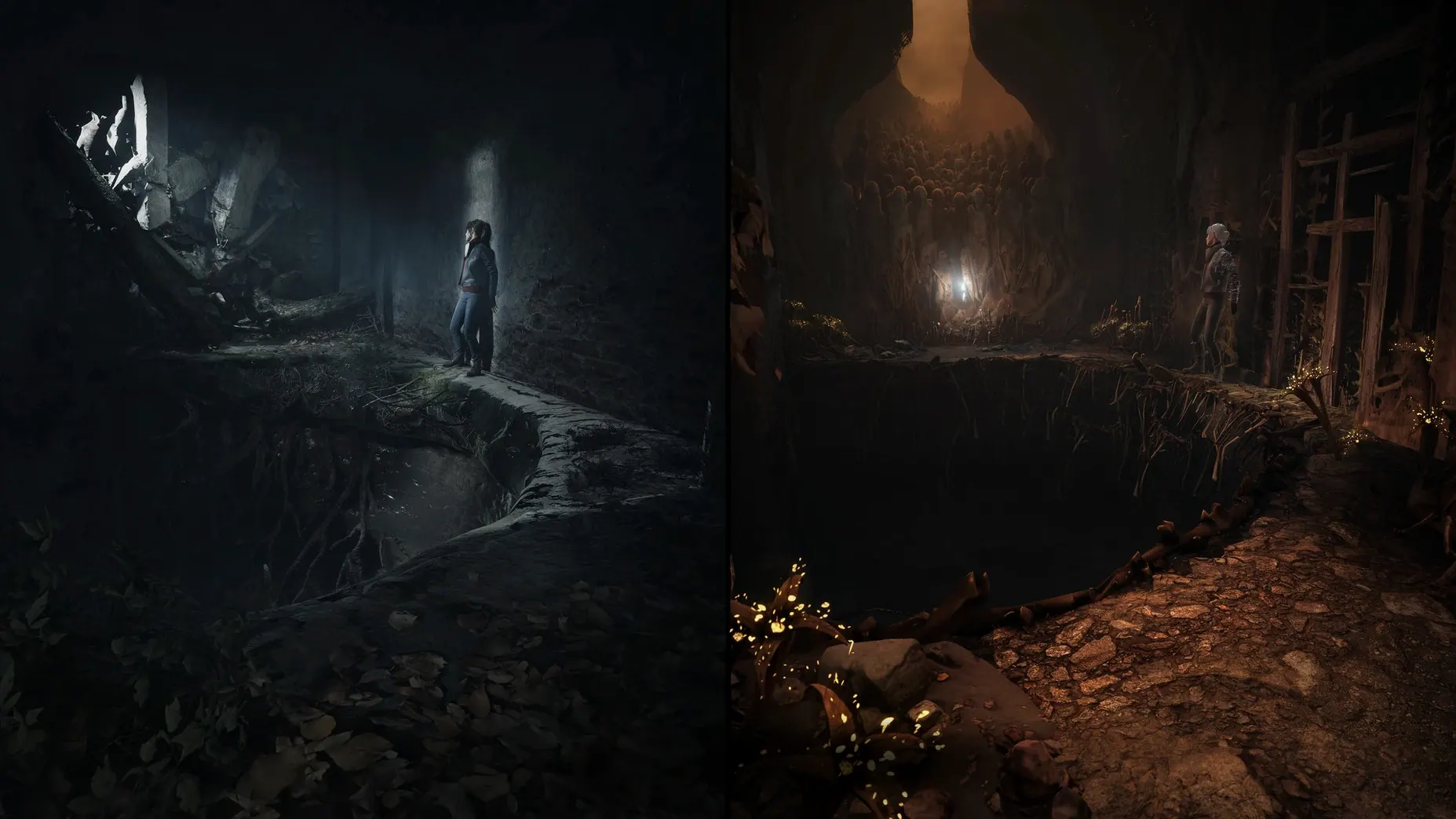
- You move through the real world and the spirit world in a single, split screen.
- The story is slow, heavy, and personal. No jump-scare spam.
- This is a native Apple Silicon build. It wants an M-series chip and feels clean on one.
- Puzzle logic ties directly to the dual view. You act in one world to change the other.
You will like this if you want a horror story that stays quiet and lingering, closer to a dark novel than an arcade ride. Skip it if you need rapid action or combat feedback. The game asks you to sit still and listen.
It pairs well with AirPods Pro. The spatial audio in this native build lets you track spirit whispers and the Maw’s breathing without straining. Turn off Notification Center during play sessions; even a single alert pull from the real world flattens the tension the game builds so carefully.
Metal rendering stays steady on M-series chips. The game leans on the GPU for its dual-view output, but fans rarely spin up on an M1 Air unless you push resolution past its default. SwitchResX users can lock a custom lower resolution if thermal headroom matters more than texture sharpness during long sessions.
Quiet room players
This rewards solitary players who treat a game like a quiet room. If you already seek out slow cinema or dread-driven fiction, the dual-reality structure lands differently. It is not background entertainment. It wants your full attention and a dark room.
Mac users with an M-series laptop gain a dense, single-player experience that runs without Rosetta overhead. Writers and artists often connect with the material because the visual language and sound design value restraint over spectacle. If you played Observer or Layers of Fear on the same machine, you already know Bloober Team’s rhythm. This one matures it.
Co-op players should look elsewhere. So should anyone who rushes cutscenes. The medium mac full version needs a patient, story-first mindset. Give it that, and the split-screen mechanic stops feeling like a gimmick and turns into the only way the story could be told.