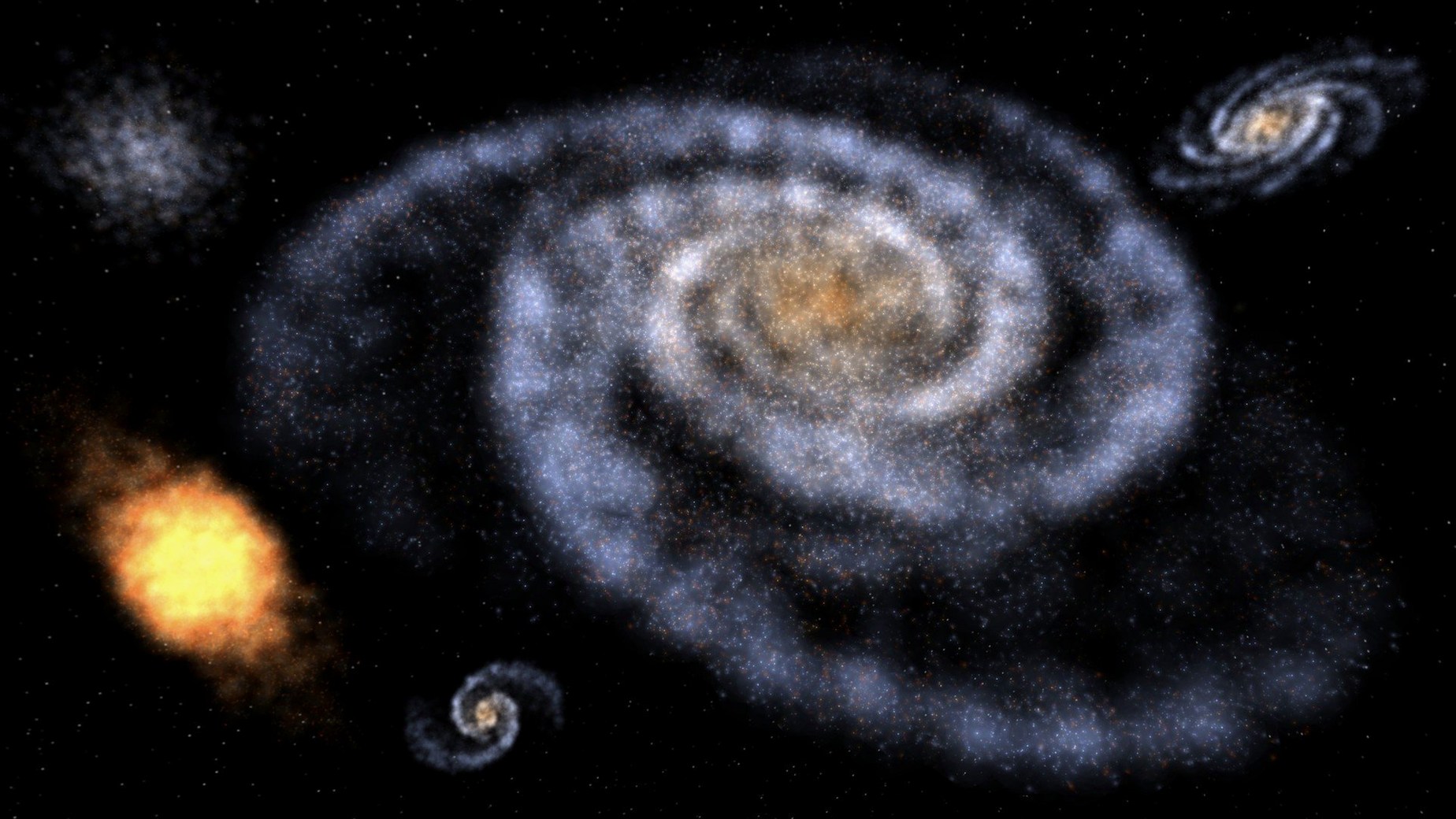
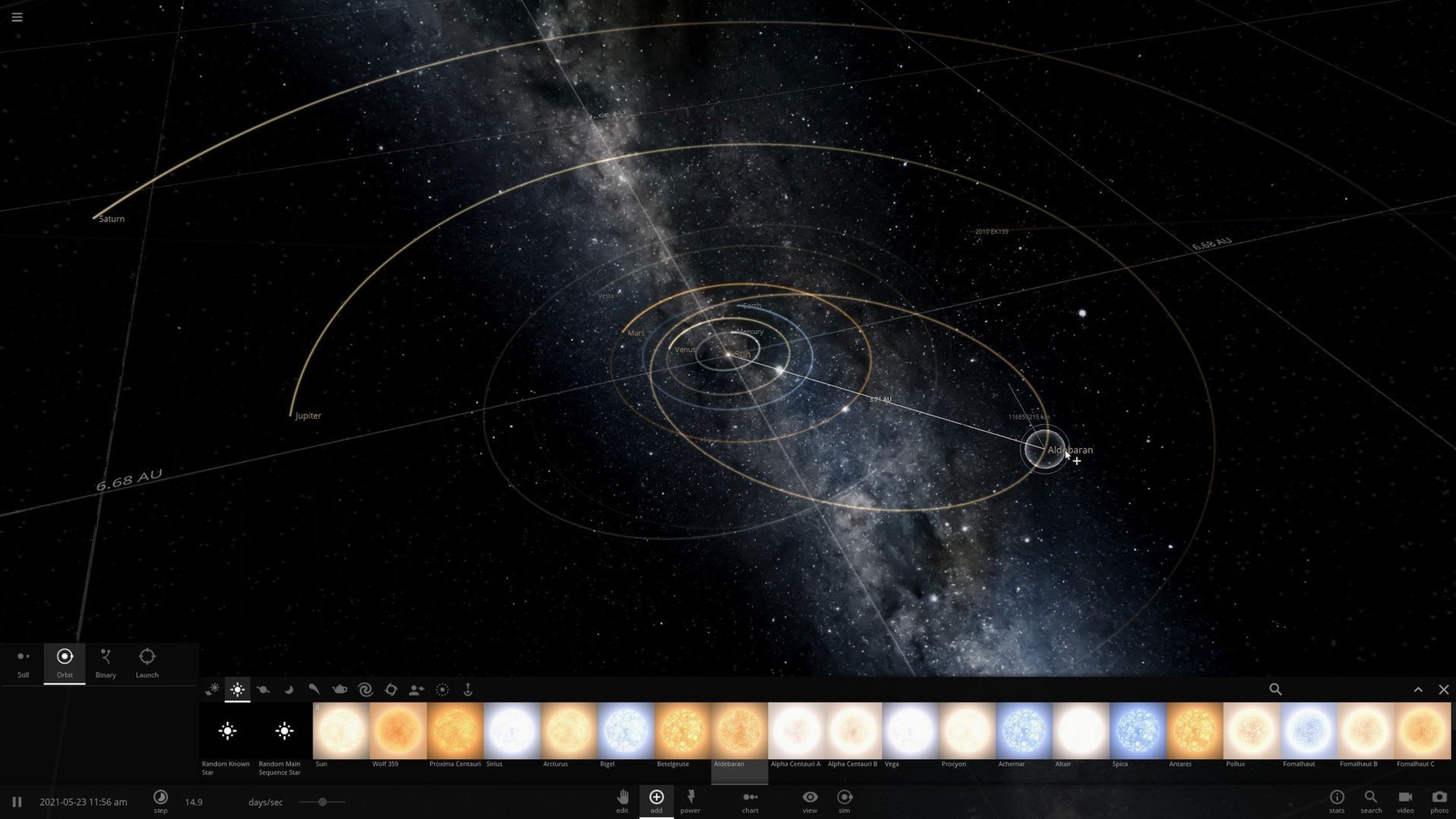
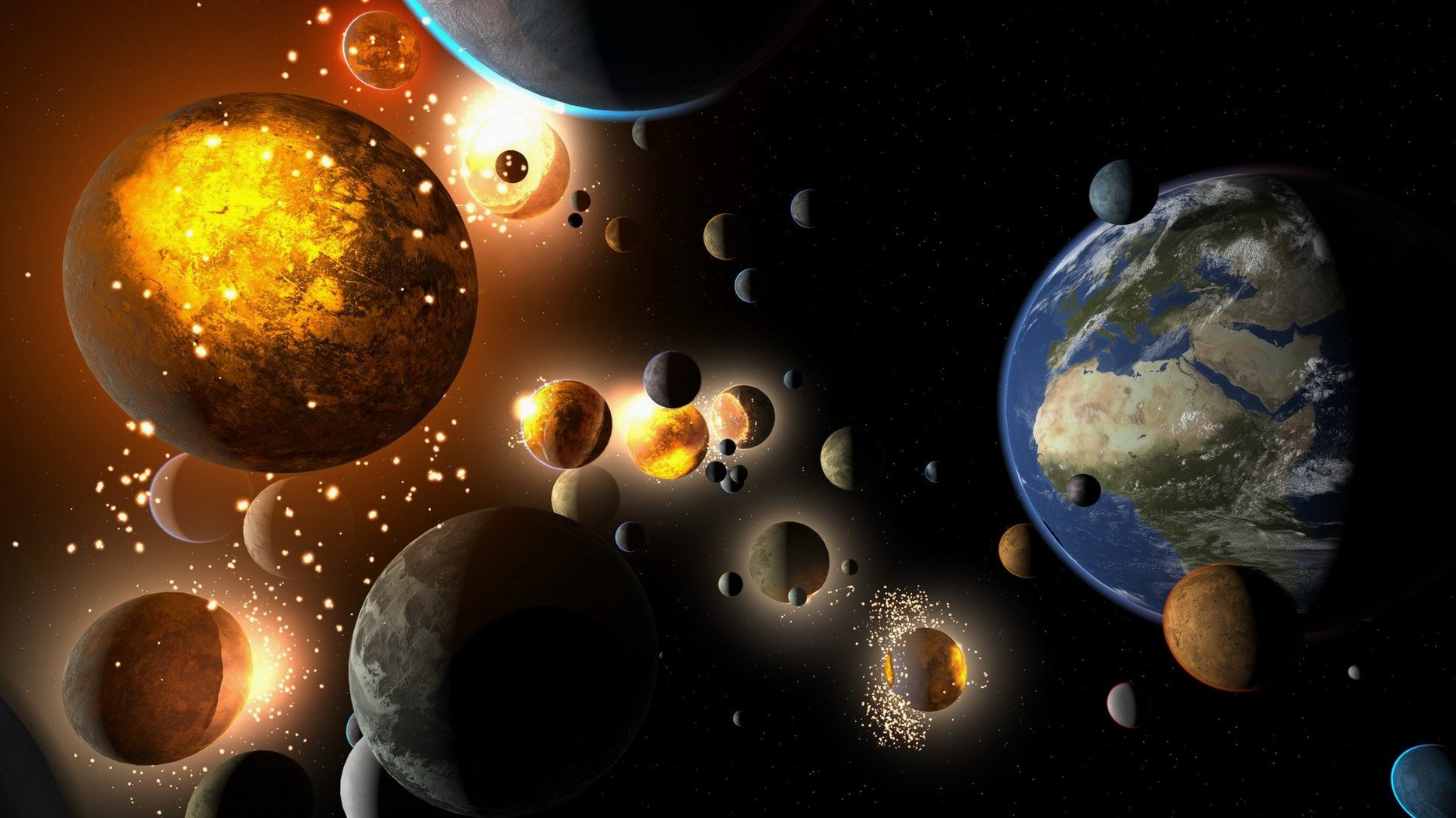
Remember the first time you threw objects into a physics playground and watched them tumble? Universe Sandbox is that, scaled to galaxies. It swaps blocks and ragdolls for planets, moons, and black holes, then lets gravity, heat, and high-speed collisions do the rest.
- Real-time gravity that pulls moons into orbits or tears them apart
- Climate simulation across frozen ice worlds and scorched rock
- Collision craters that form and merge with improved realism
- Black holes that evaporate over time
- A newly discovered exosatellite simulation included
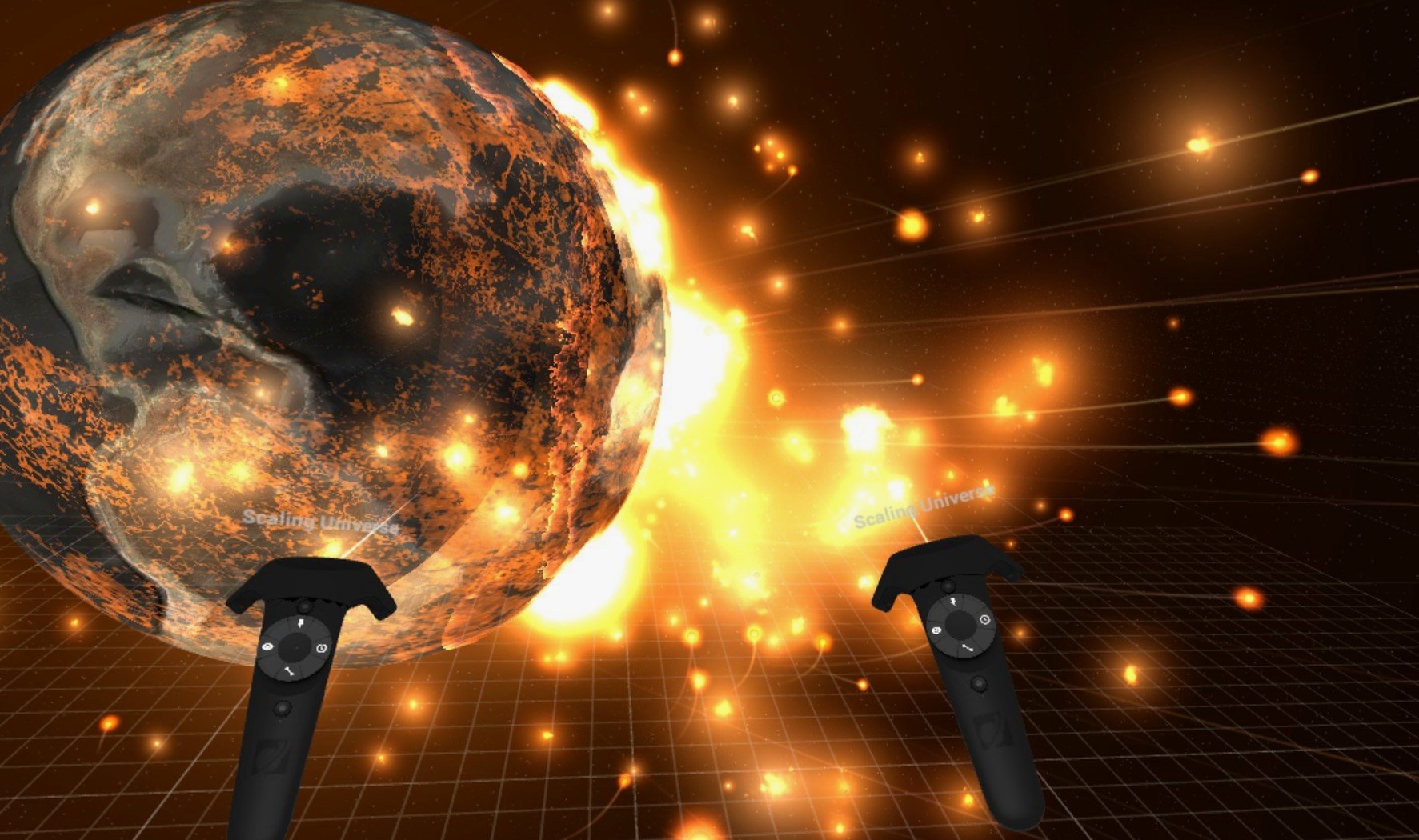
- VR mode for HTC Vive, Oculus Rift+Touch, and Windows Mixed Reality
Built for Apple Silicon, it runs on a Mac mini M4 without the weight of older Intel support. Over two dozen interface languages are included, so the cosmos speaks your tongue.
Collision memory
Version 36.3.3 tightened up collisions and gave black holes a lifespan. Craters no longer sit on surfaces like decals — they form, overlap, and merge. An asteroid strike now leaves terrain that remembers earlier impacts.
Black hole evaporation reshapes long-running simulations. Leave one spinning in a star cluster and watch it slowly lose mass until it vanishes. You can set up a system, walk away, and return to a different sky.
Duplicating objects arrived quietly but changes how you experiment. Clone a planet, nudge its orbit, and compare diverging fates side by side. No more rebuilding from scratch to test a single variable.
The included exosatellite simulation is a small, specific scene — not a feature, really, more a snapshot of recent astronomy folded into the sandbox. Tinker with it or replace its star entirely.
Spacing orbits
New users tend to place objects too close. A moon dropped near a gas giant shreds into rings before you see an orbit form. Give bodies room. Gravity needs distance to do something interesting.
Overloading a scene is the other common stumble. Fifty planets around one star bogs down even an Apple Silicon Mac. Start with two or three bodies. Add more once you understand how they tug on each other.
Pausing the simulation is underused. Beginners often fight real-time chaos when a single freeze frame would let them adjust mass or velocity cleanly. Pause, tweak, unpause. It is the simplest habit that separates a sandbox from a light show.