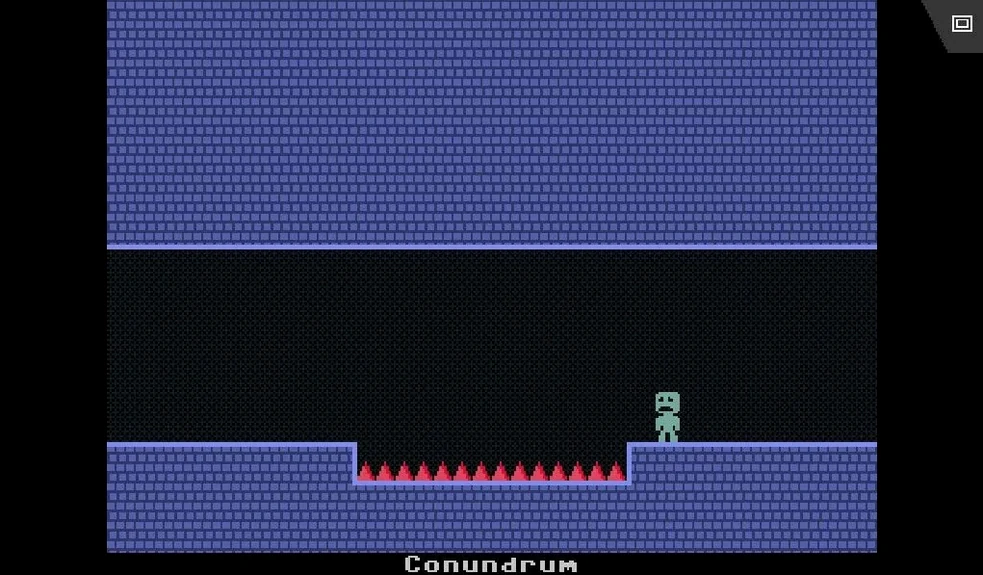
Six crew members. One ship in distress. No jump button.
Flip
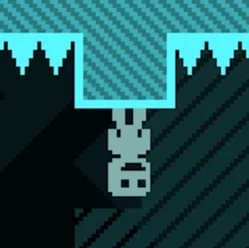
You move left, right, and reverse gravity. That is the entire controls. The world flips, you fall toward the ceiling, and every room becomes a small puzzle of momentum and timing.
Find
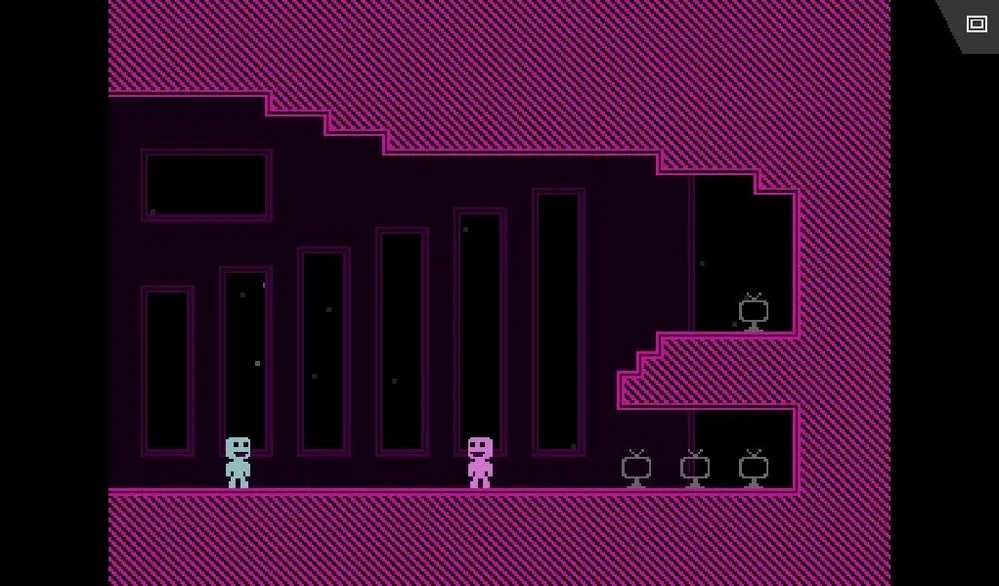
Your crew is scattered across an open world. No locks, no upgrades, no levers block your way. You explore in the order that pulls you, searching each screen for a familiar face.
Listen
A session starts cold. You open the map, pick an unexplored corridor, and drop into a room lined with spikes.
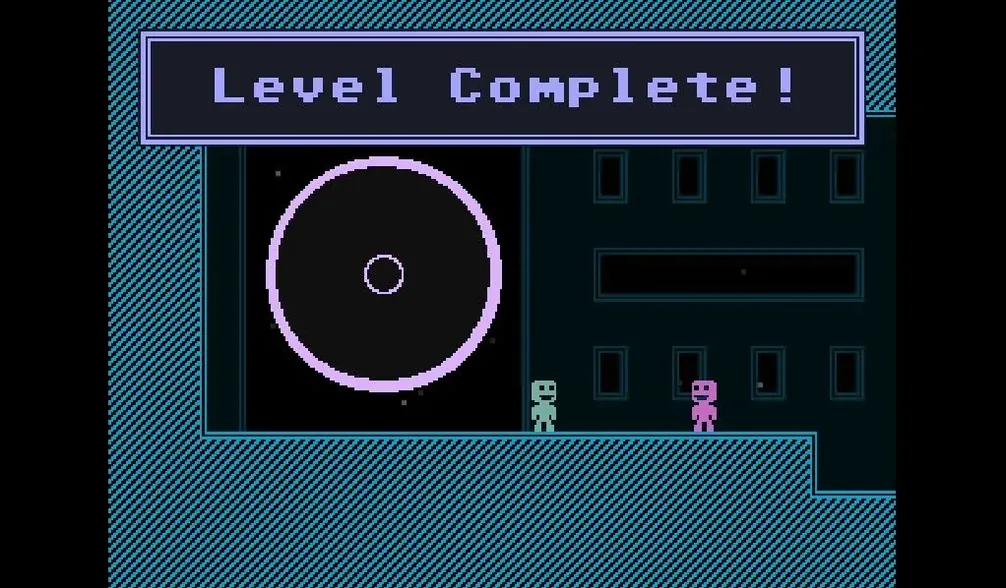
One tap flips you to the ceiling. A second drops you through a narrow gap. You miss the ledge by a frame. The checkpoint rewinds you six seconds. You try again. Three attempts later the rhythm clicks—flip, hold, release—and you land beside a crew member who says almost nothing. The room turns yellow on the map. You move on.
The game asks for no menu diving. No inventory. Just you, the arrow keys, and the gravity switch. Twenty minutes vanish.
No-death lab
Time attack sharpens your routes. No-death mode teaches you to read a room before you enter it. Together they turn the game into a study of restraint.
Start in the overworld hub. Choose the laboratory wing. In a standard run you would brute-force the spike corridor near the trinket room—die, retry, inch forward. In no-death mode that habit ends. You stop at the entrance. You count the spike cycles. You map the ceiling route in your head before your first move.
On a clean run the whole wing takes under three minutes. Every flip feels deliberate. The chiptune track loops once, maybe twice. By the time you reach the far door you have not touched a single hazard. The satisfaction is quieter than a finish-line fanfare. It feels like solving a small, elegant equation.
Magnus Pålsson’s chiptune score runs over half an hour. It stays with you long after the game closes.