Some plug-ins give character and no control. Others give control and no warmth. The FX Collection tries to do both.
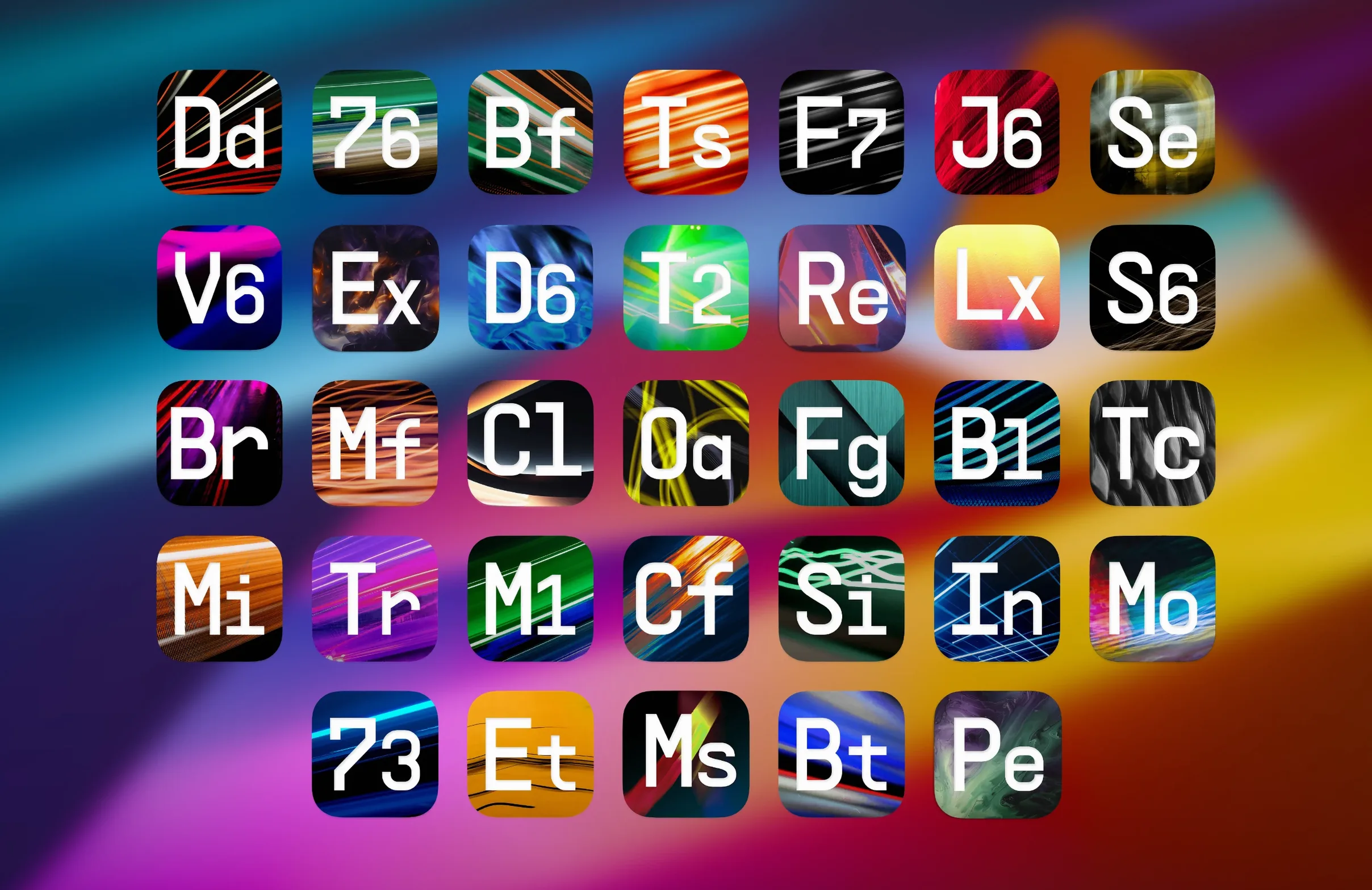
New this time: Efx Ambient, Tape J-37, Pitch Shifter-910, Bus Transient, Mix Drums.
A track that needs space: Efx Ambient on a return, dry signal down until the room breathes, decay matched to the tempo.
Most users never touch the built-in tutorials. Each effect hides a small question-mark icon — click it, and a translucent overlay walks you through every knob. It disappears with a click. Five seconds of reading often beats ten minutes of guessing what a parameter actually does.
Another quiet addition: drag-and-drop modulation. Hold command and pull a virtual cable from an LFO or envelope to almost any control. No menu diving. The connection appears as a thin orange line.
Preset management rewards the organized. Favorites are a single keystroke away. User folders nest inside the browser without fuss. A recent-imports list sits at the top of the sidebar, so nothing gets lost after a long download session.
One small thing that saves real time — the output clipper on Bus Transient engages with a single click. No separate limiter insert. No extra latency. Just a ceiling set around -0.3 dB and a soft knee that catches peaks before they hit the master bus.
Drum dialing
Ten in the morning. A drum loop on track one, flat from a sample pack.
First insert: Mix Drums. The compressor is already tuned for a kit — ratio at 4:1, attack slow enough to let the transient through. I pull the threshold down until the needle moves with the kick. The parallel knob slides up to thirty percent. The room comes forward without burying the dry hit.
Send A gets Efx Ambient. I scroll past the factory presets — too wet, too long — and land on a medium hall labeled Concrete Room. Predelay stretched to forty milliseconds. High damping rolled off at 6 kHz. The snare now occupies a space between close-miked and distant.
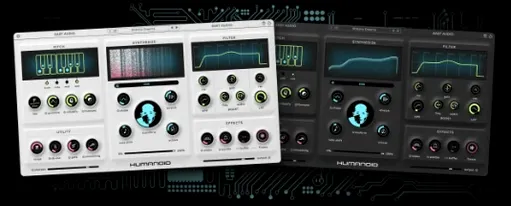
Pitch Shifter-910 on a synth arp. Three voices, detuned in cents. One up a fifth, mixed low. The arp spreads sideways in the stereo field. The original tone stays intact underneath.
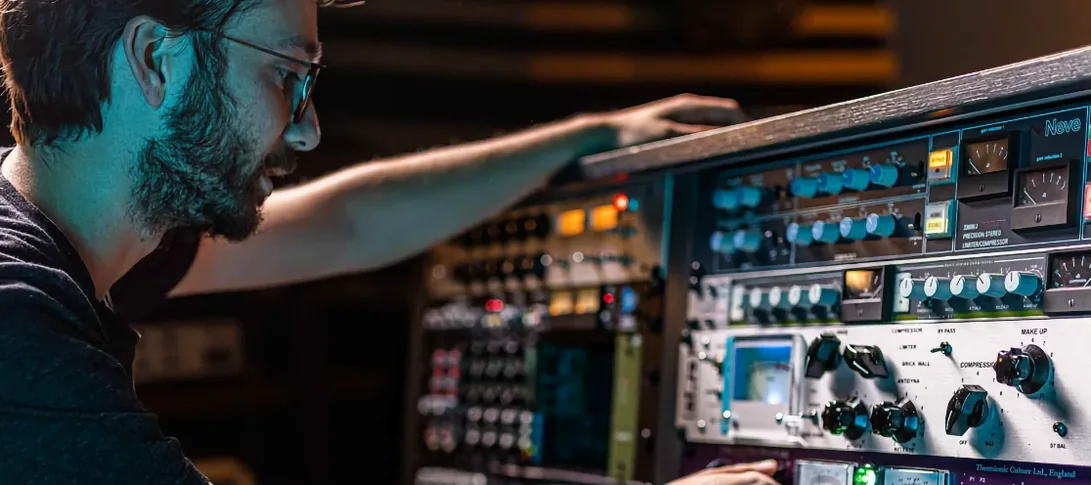
On the master insert chain: Tape J-37 into Bus Transient. The tape pushes the low mids forward — nothing drastic, just a small curve starting around 300 Hz. The transient shaper tightens the attack on the whole mix. Two decibels of punch added. The output clipper catches the overs.
Twenty minutes. I save the session, close the laptop, and make coffee. No crashes. No CPU spikes worth remembering.
Silicon headroom
The suite loads fast. Even on a five-year-old Intel machine, instance count before buffer underruns stays reasonable — twelve to fifteen effects spread across a dense project before the fan spins up. On Apple Silicon, the number nearly doubles. Memory use hovers around 80 MB per instance for the heavier tape and reverb models; the simpler Efx modules sit closer to 25 MB.
AU and VST3 formats run smoothly in Logic, Ableton Live, and Bitwig. I have seen occasional GUI lag when opening ten plug-in windows at once, but audio processing remains unaffected. No dropped buffers in a 48 kHz session with a 128-sample buffer.
Stability over long sessions: one crash in maybe sixty hours, traced to a third-party host bug, not the effect itself. The collection feels like a set of tools that were tested together. Nothing fights for resources. Nothing loads a redundant background service. An arturia v collection mac torrent that includes this suite tends to circulate precisely because the stability holds up across different studio setups.
The older modulation effects — chorus, flanger, phaser — still use minimal CPU cycles. They sit comfortably on individual tracks without freezing. The tape and reverb plug-ins are the heavy lifters, but even those behave like hardware emulations that were coded with real-time use in mind, not just offline rendering. An arturia torrent package that bundles the full V Collection alongside these effects often draws producers who want the same consistent performance across synths and processors.
The plug-in windows resize smoothly. Scaling from 75% to 150% triggers no redraw flicker. The knobs stay crisp. Small things, accumulated over a working month, that keep the session moving.
A thin guitar take: Tape J-37, input driven gently. The low mids thicken.