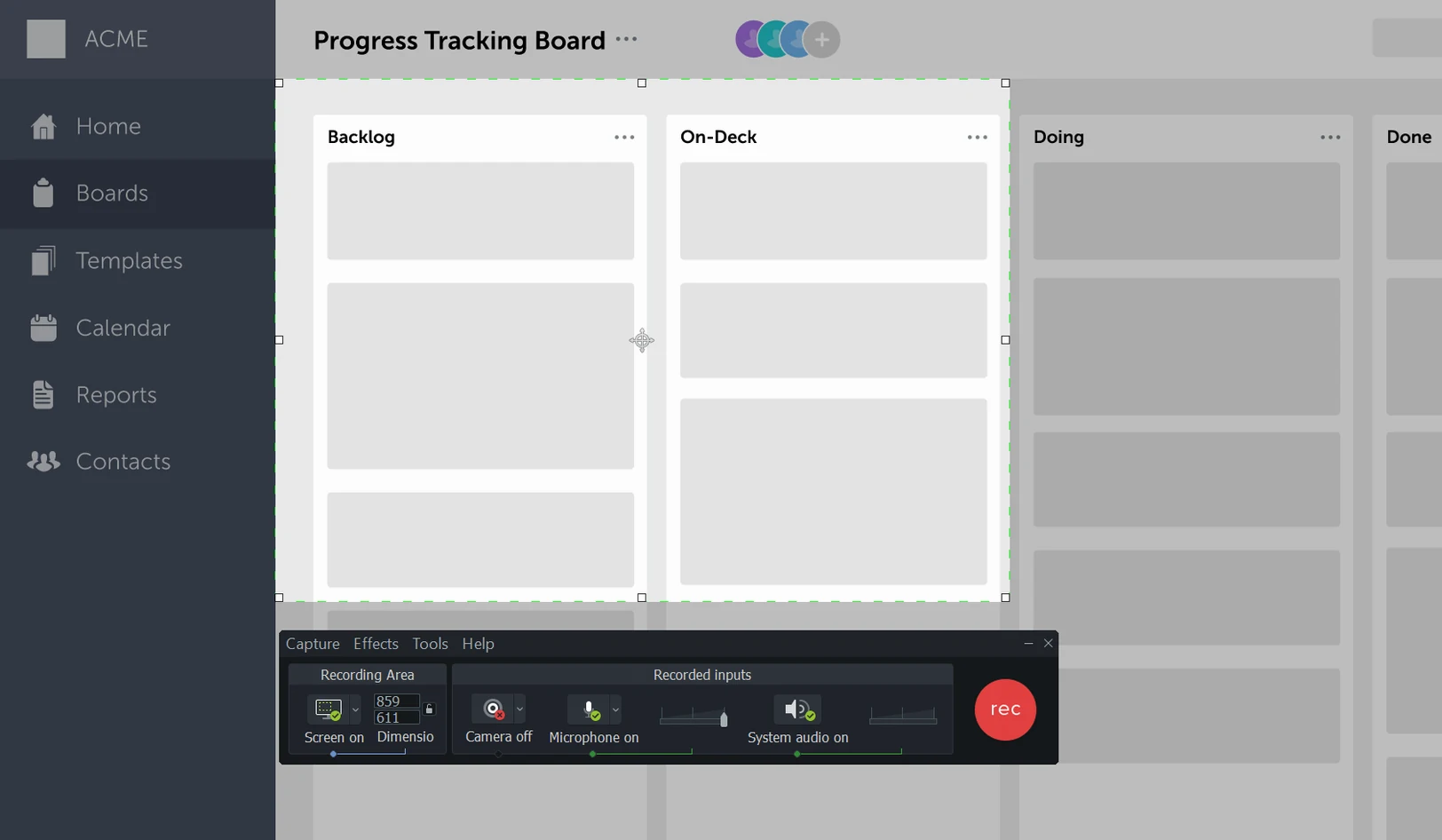
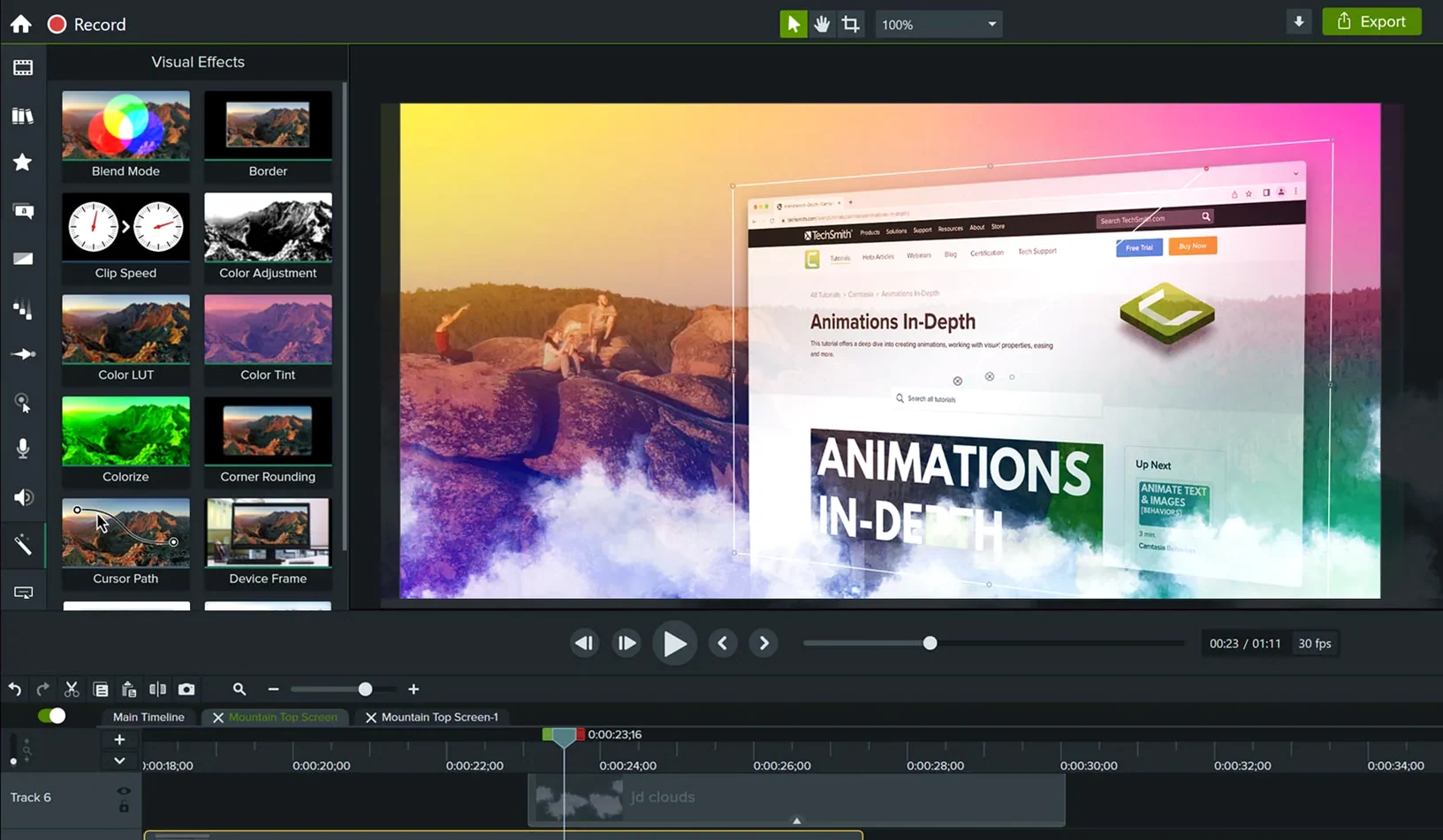
You record a walkthrough of a new internal tool, then cut the pauses and drop in a title card. No extra app for the edit.
After the recording
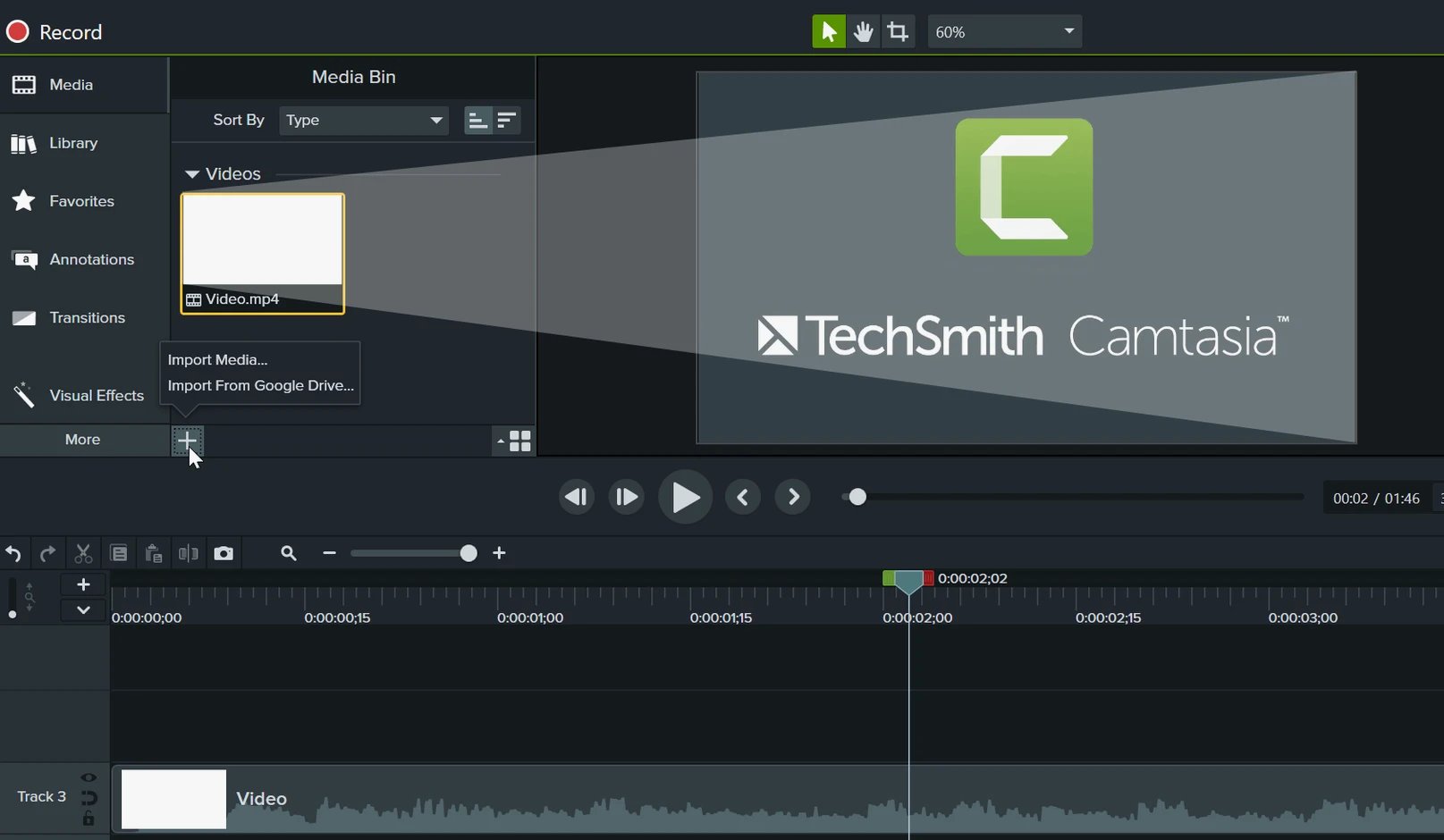
Footage lands straight on the timeline. Trimming, transitions, and callouts happen in the same window. You can also pull in existing clips that are already sitting on your desktop. The result is a clean video, ready to share, without bouncing between QuickTime and a separate editor.
Next to the rest of your tools
It speaks the languages your machine already knows — English, German, Spanish, Japanese, Simplified Chinese, Portuguese, French. The interface works natively on both Apple Silicon and Intel Macs. A crash on export was fixed recently, so the round-trip from record to finished file stays uneventful.
tweak these first
The default recording dimensions match your display. That sounds logical until you need a smaller file. Open Preferences > Recording and set a fixed region instead. 1080p works for most lessons.
Turn off Record system audio unless the demo calls for it. Few things waste a retake faster than a stray notification chime baked into the voiceover.
Cursor effects ship enabled. The click rings and highlight circles help viewers track your pointer during a software demo. For a slide-based presentation they look busy. Disable them per-recording from the Effects tab before you start speaking.
Library clutter creeps in fast. Switch the default Library path to a dedicated folder outside Documents. The Media Bin respects that choice on the next launch.
choke point
Captured footage plays back choppy on an M-series Mac when the project frame rate mismatches the source. Camtasia defaults to 30 fps. If your screen recorded at 60 fps, open Project Settings and match it before adding clips. The stutter disappears.
A black recording window with audio means macOS screen permissions are missing. Head to System Settings > Privacy & Security > Screen Recording, toggle Camtasia off and on again, then relaunch. The prompt appears on the next capture attempt.
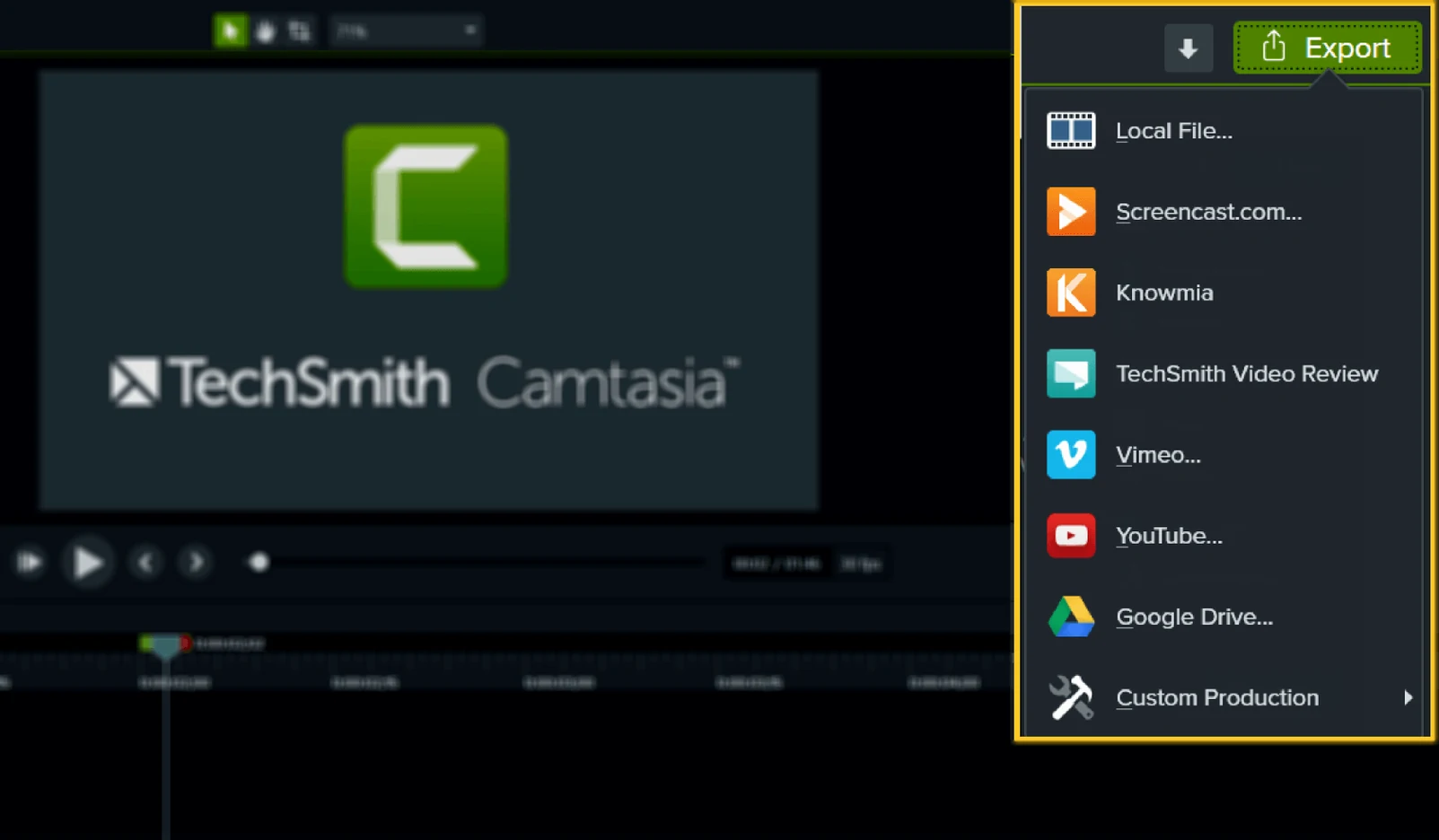
Exported files balloon in size when people leave the bitrate at automatic. For a talking-head lesson, Custom production > MP4 > H.264 with a 5 Mbps cap usually lands under 200 MB for ten minutes. Still crisp, no visible blockiness on a 1080p YouTube upload.
Some find a Camtasia Mac crack floating around and notice the export dialog hangs forever. The TNT build handles that cleanly. No terminal contortions, no library symlinks to patch by hand. It just finishes the render.
layering lanes
ScreenFlow. The timeline feels looser, the editing gestures more like Final Cut. It suits a solo creator who layers camera, screen and mic into one polished reel. Camtasia is less flexible with multi-angle but faster for a single-track software walkthrough.
OBS Studio plus DaVinci Resolve. Free, enormously capable, and enormously split. You record in one app, cut in another, and colour-grade in a third panel you did not mean to open. Camtasia collapses those steps. The trade-off is that you cannot dial in node-based colour corrections or set up a multicam live stream.
Loom. Instant cloud sharing, no editor. Loom rewards quick internal updates. Camtasia rewards the video you intend to keep, reuse and version over a year. If the deliverable outlasts the week, Camtasia's project file saves you from re-recording.
People hunting for a Camtasia Studio torrent often want the batch export option. That lives in the File menu, not in the share panel. Select multiple projects, hit Batch Export, and walk away. Most alternatives make you queue them one by one.