Guanxi shapes everything. A general you slighted in 190 CE will remember it four seasons later, when your army is tired and your borders are thin.
- Pick one of twelve warlords. The campaign map stretches from the Yangtze to the Great Wall.
- Spend turns managing food, diplomacy and army movement. Characters form bonds and grudges — the web of relationships tightens every year.
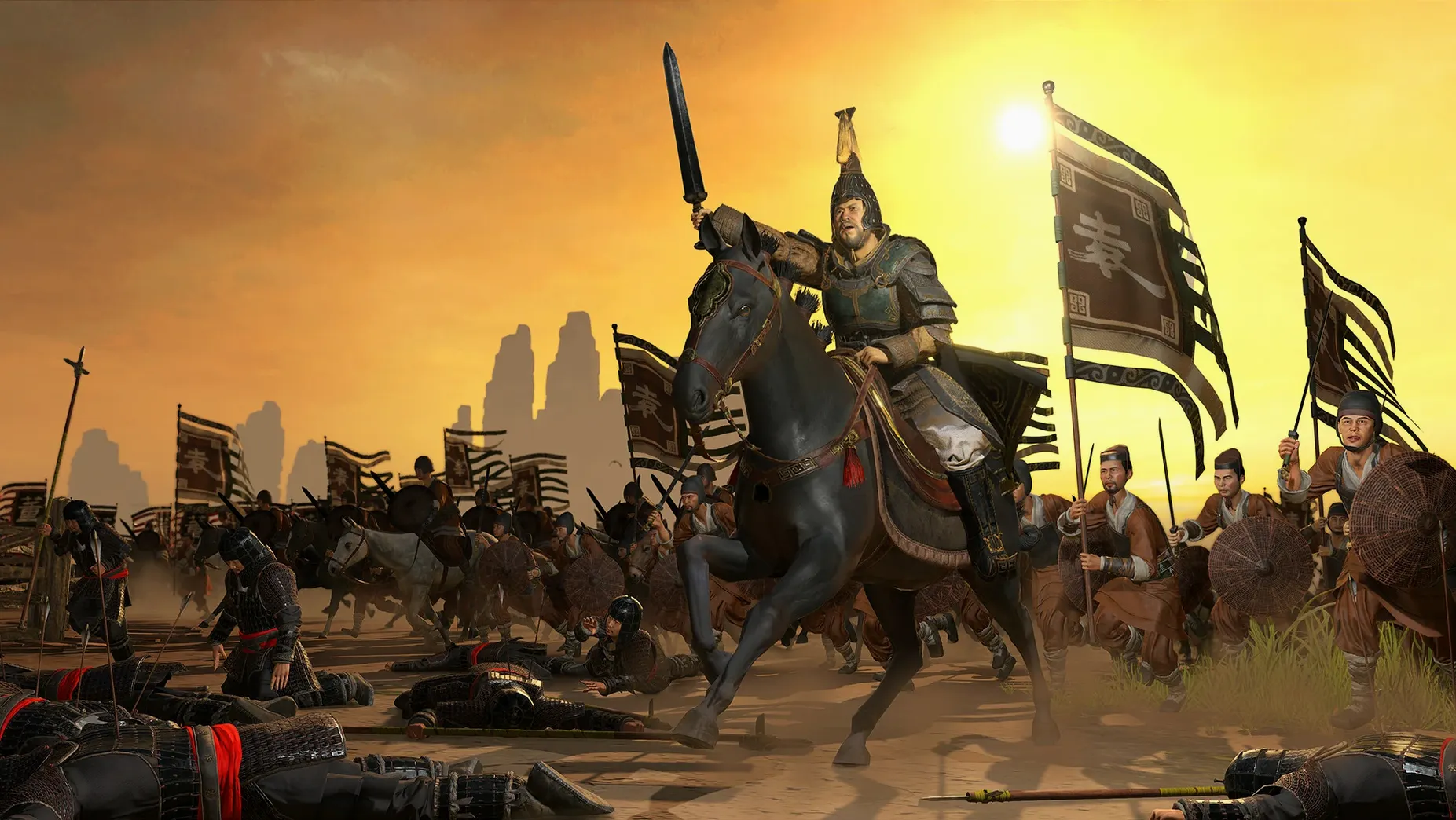
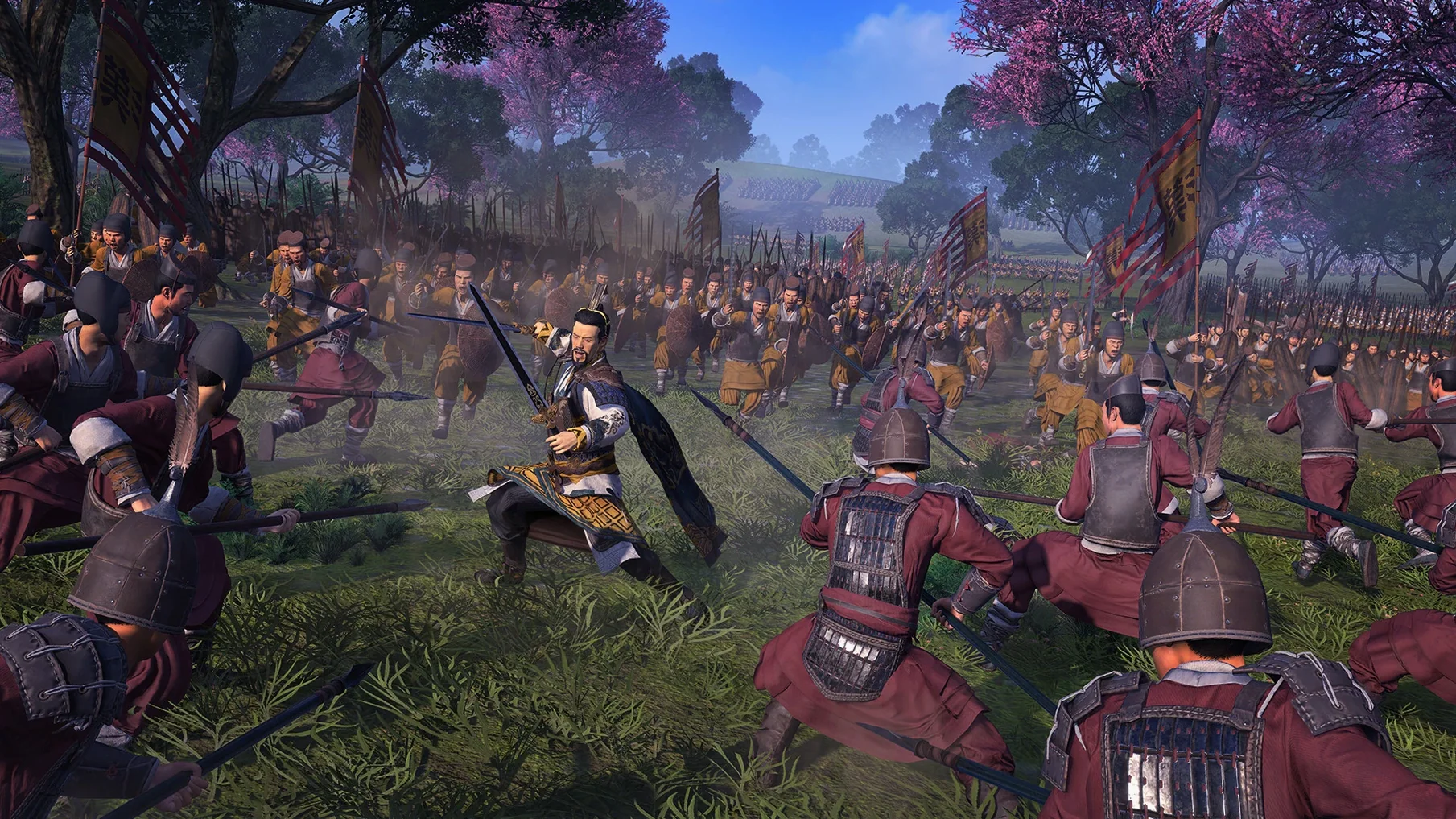
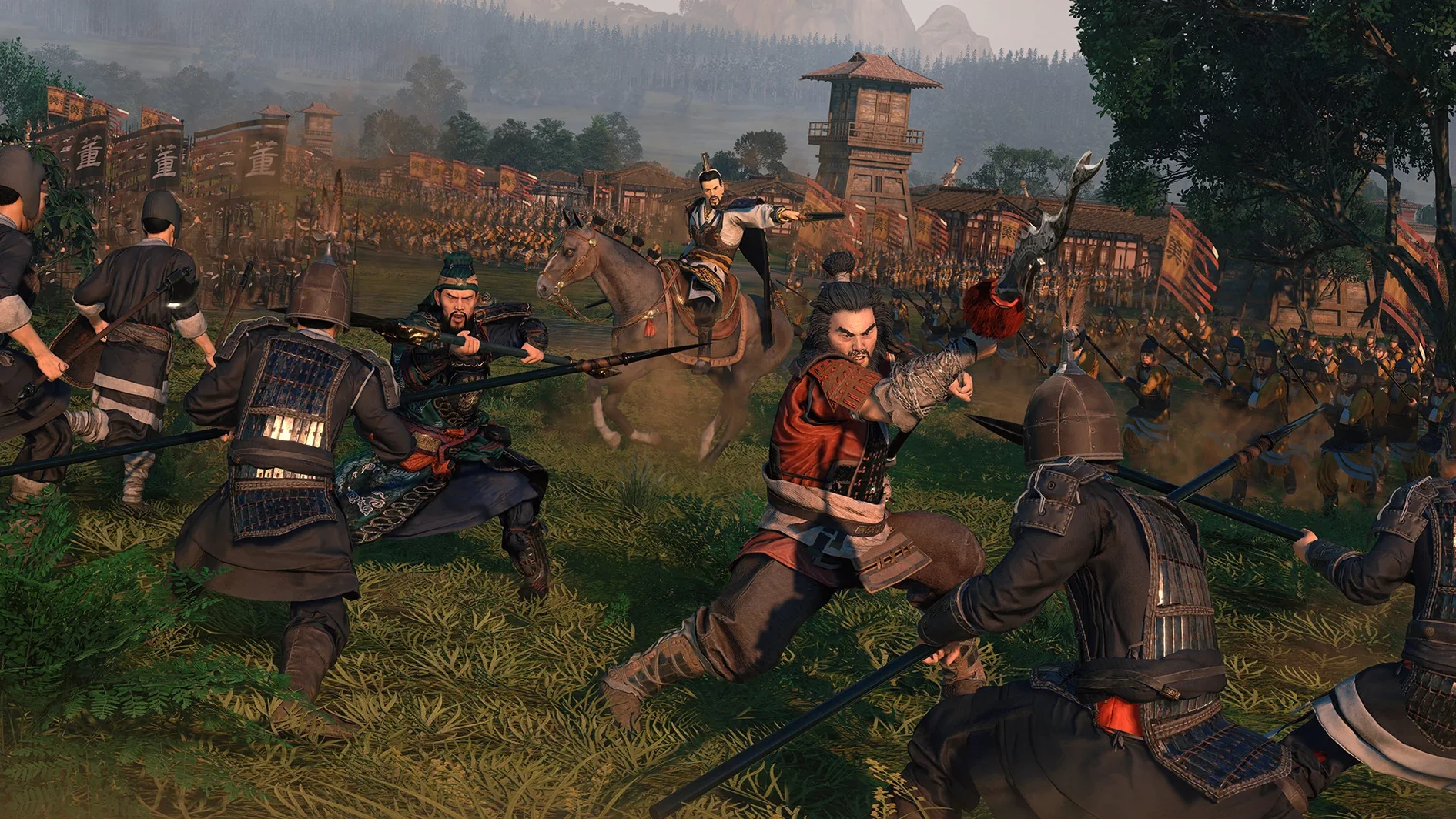
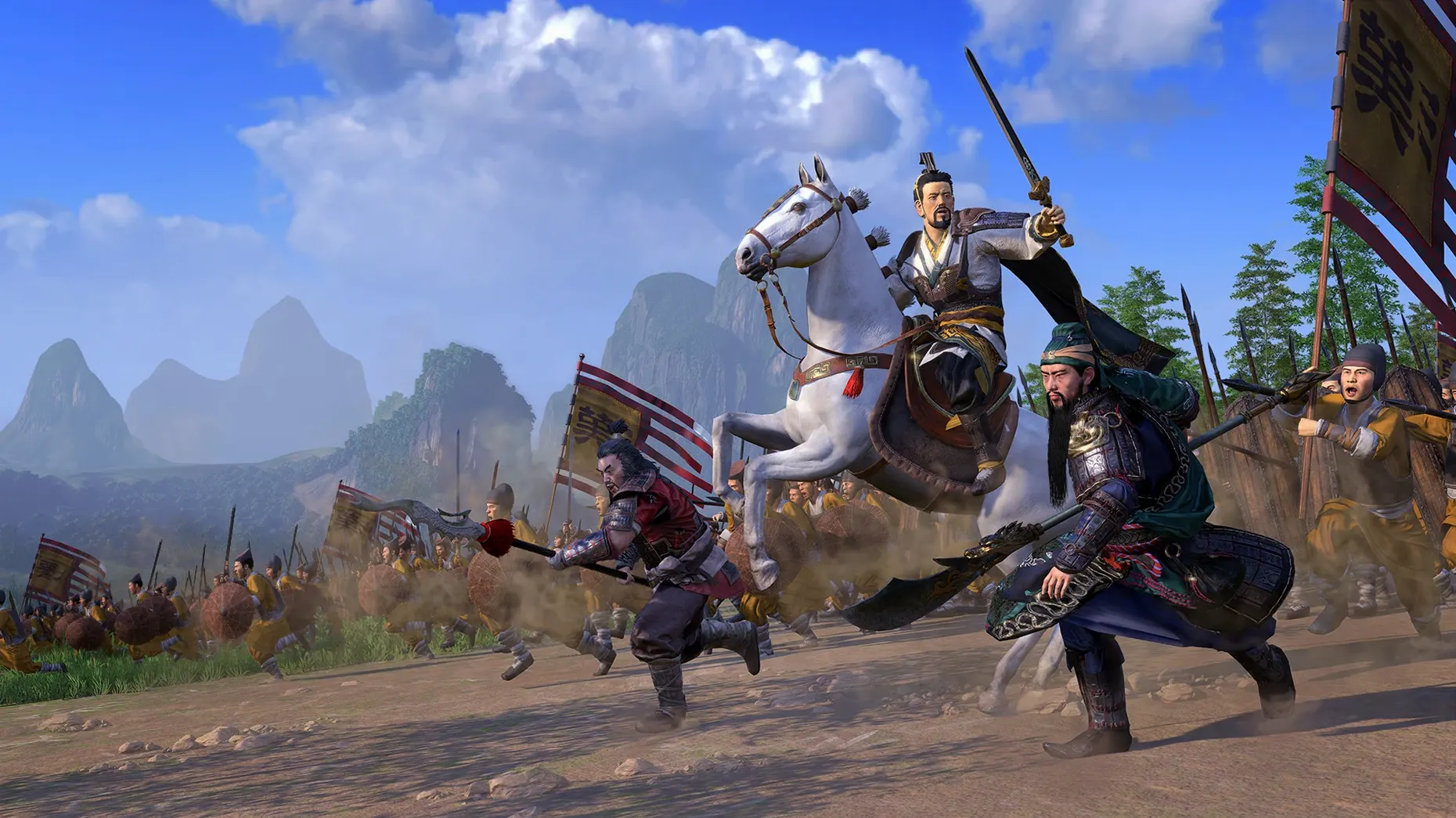
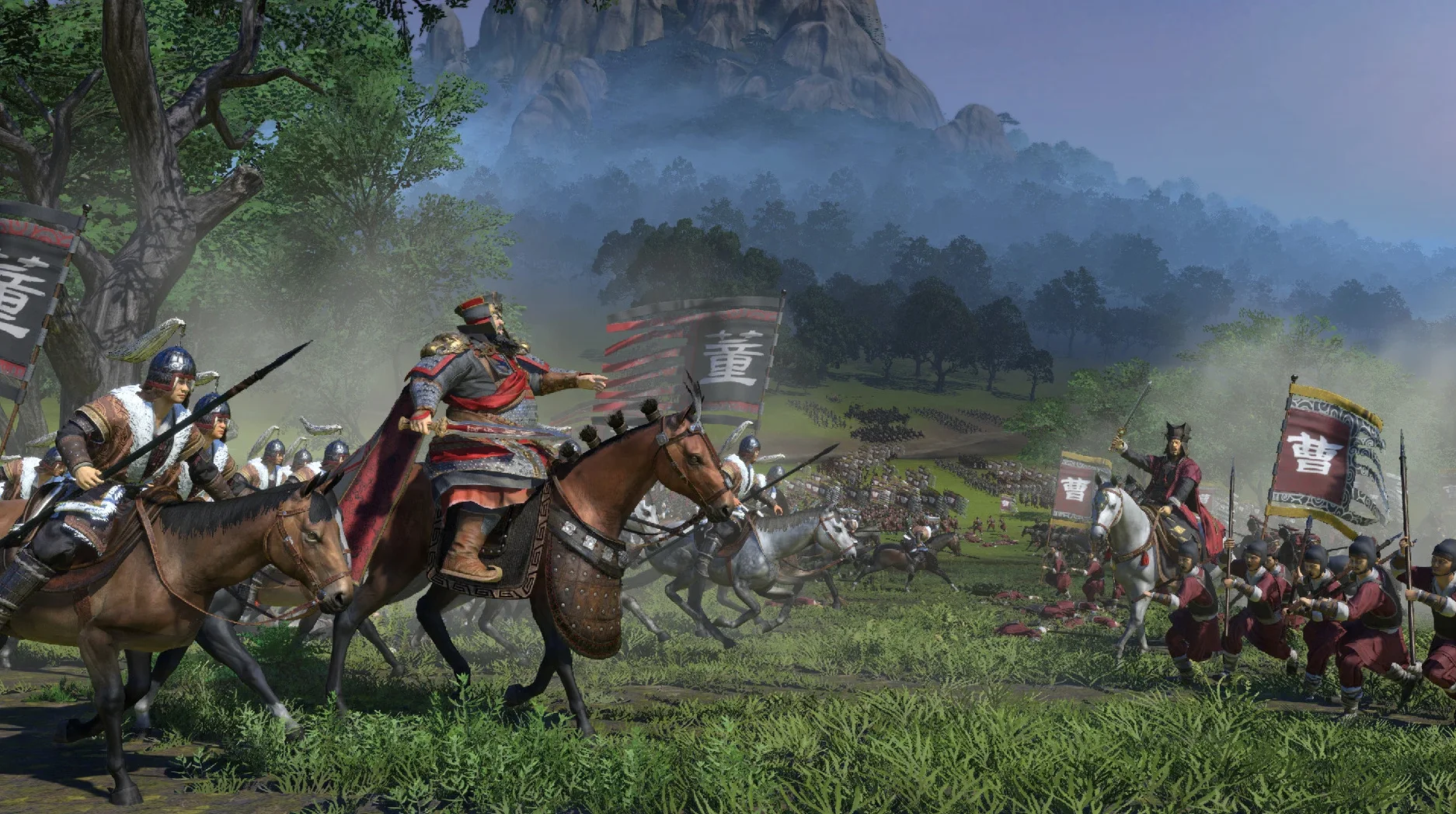
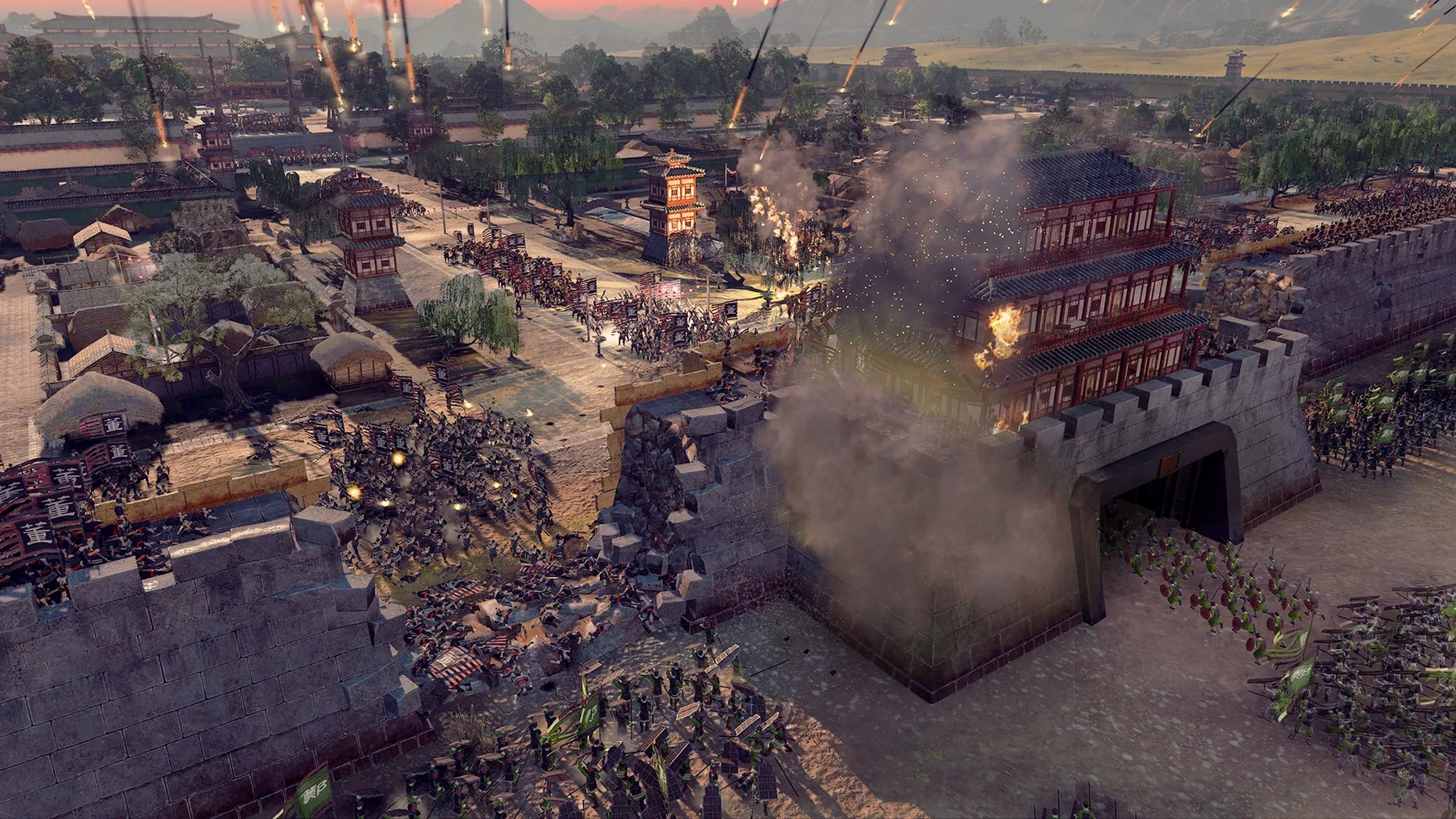
- Zoom in. A real-time battle demands positioning, not clicking speed. Terrain and troop morale outweigh unit count.
On an M1 MacBook Air the map scrolls smoothly and load times stay short. The scale feels right on a 13-inch screen: enough room for the empire, not so much that you lose the faces in the court.
What it pairs with
Three Kingdoms respects system-wide text shortcuts. Character names in diplomatic pop-ups obey your Keyboard > Text replacements. If you tire of typing “Cao Cao” into save file names, a quick abbreviation does the work.
Mission Control handles the game well. Swipe left to check a reference map in Safari; swipe back to the campaign. The app remembers its fullscreen state across workspace switches.
VoiceOver reads none of the tooltips, but the turn log is clean enough for screen recording. QuickTime Player captures battles without stutter on Apple Silicon. The recorded file lands in your Movies folder, trimmed and ready.
Early missteps
New players treat it like a dynasty painter. They build farms in every commandery, avoid conflict until turn 40, then wonder why a neighbor with half the territory rolls through their capital. Food is not safety. Armies are.
Another habit: ignoring satisfaction. A court packed with legendary characters looks impressive until two of them leave on the same turn, taking a full stack with them. Promotions are cheaper than reconquest.
The biggest trap is the real-time battle camera. Beginners lock it behind a unit and miss the flanking charge that breaks their line a hundred meters away. The minimap is not decoration.
Total War: Three Kingdoms rewards attention to people, not provinces. The systems talk to each other. A trade deal signed in autumn can make a spring siege possible — but only if your diplomat is still speaking to you.