You open a blank piano score. A few notes go down. You add a second staff, then a third. The spacing adjusts itself. No collisions. No manual nudging.
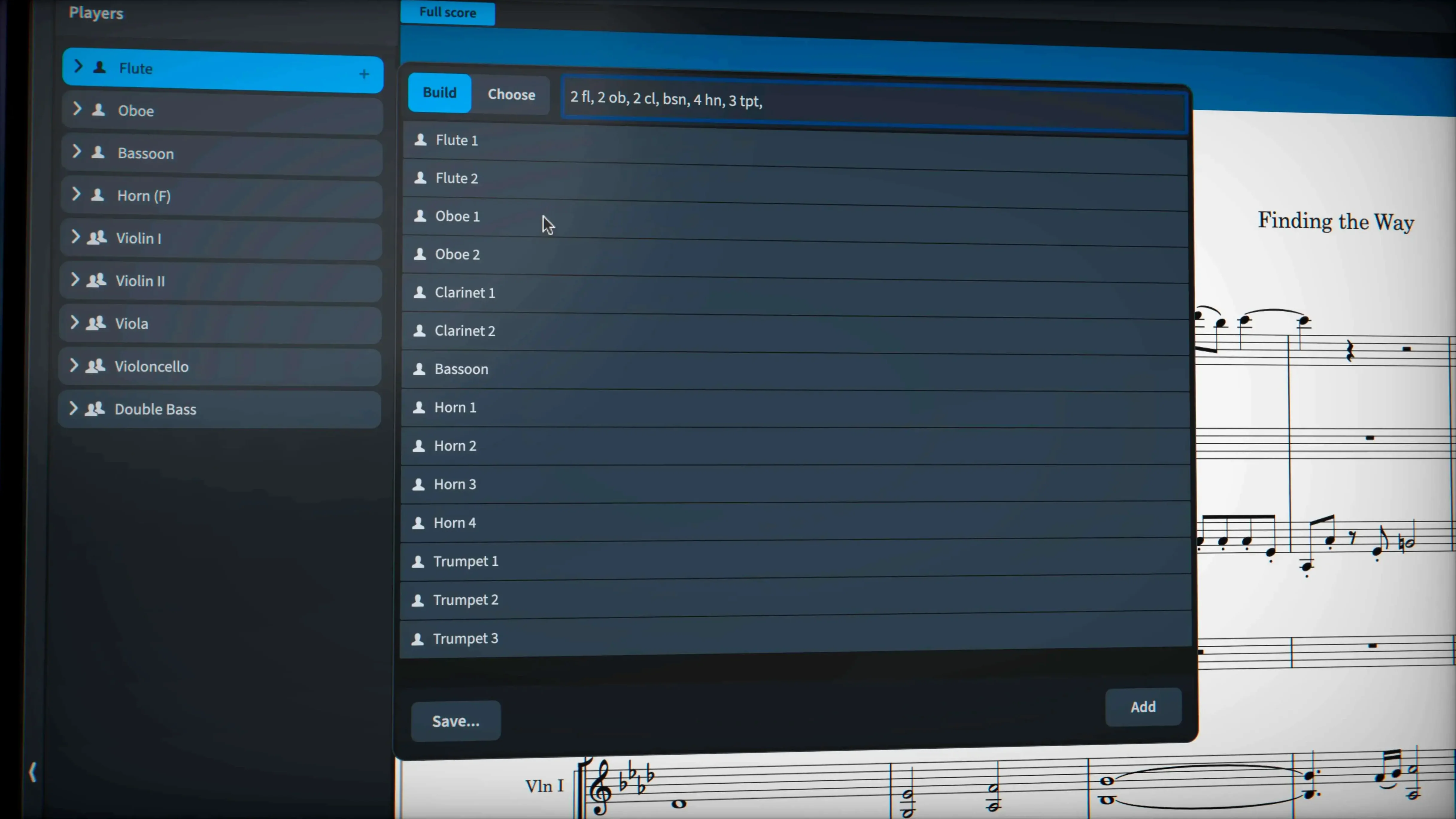
Start in Setup mode. Add your instruments here—the picker is fast and filters as you type. Switch to Write mode. The caret is your entry point. Notes, chords, and articulations snap into place from the keyboard or MIDI controller.
One thing to try early: press Play. The included sound library gives you a real sense of the piece without leaving the score. Almost 1,500 sounds sit ready. A piano-roll editor is there too, for when notation alone isn't precise enough.
Composing a short piano piece for a student, start to finish.
Open Setup mode. Add a solo piano. The picker finds it before you finish typing. Switch to Write mode. Set a tempo marking from the right panel. Enter the right-hand melody first—just the notes, no dynamics yet. Use the caret and a MIDI keyboard. Mistyped a rhythm? Hit Shift-R to re-pitch without re-entering durations.
Add the left hand on the lower staff. Dorico keeps the voices clean, even when rhythms differ between hands. Once the notes are down, switch to Engrave mode. Adjust staff spacing with a single drag. The collision avoidance already sorted slurs and accidentals while you wrote.
Back in Write mode, add dynamics and a pedal line. Open Play mode to audition the sustain pedal through the built-in piano sound. The pedal line exports correctly to MusicXML now, which matters if the student opens the file in another app. Export a PDF from Print mode. Done.
Activation-free
Does it need a Steinberg account? No. The package includes an activation guide. No online check-in required.
Will it run on Apple Silicon? Yes. It's a universal binary. Intel Macs on macOS 12 and later are supported too.
Is the sound library separate? It's built in. No extra download for the 1,500 sounds. VST 3 support is there if you want to bring your own instruments.
Does it handle guitar tab? Yes. Tablature, chord symbols, percussion notation—all native, no workarounds.
Some users look for a Dorico torrent or a Dorico Mac torrent to try it before committing. Version 6.2.30 is the latest maintenance update, with over 40 fixes. The Dorico Pro torrent from this release includes the independent voice playback fix for Cantai routing and the new wiggly glissando line style.
Caret power
Begin with a small project. A single page. Learn the caret. It's faster than clicking notes onto the staff.
Set up a custom project template after your first score. Save your preferred instruments, house style, and layout settings. It cuts setup time for every piece after.
Leave the manual open. Not to read cover to cover—just to search when you wonder "can it do X?" Dorico almost always can, and the answer is usually a mode switch or a key command you haven't found yet.
Don't fight the automatic spacing. Trust it for the first few pages. You can override anything later in Engrave mode, but the defaults are informed by engraving tradition.
Popover commands
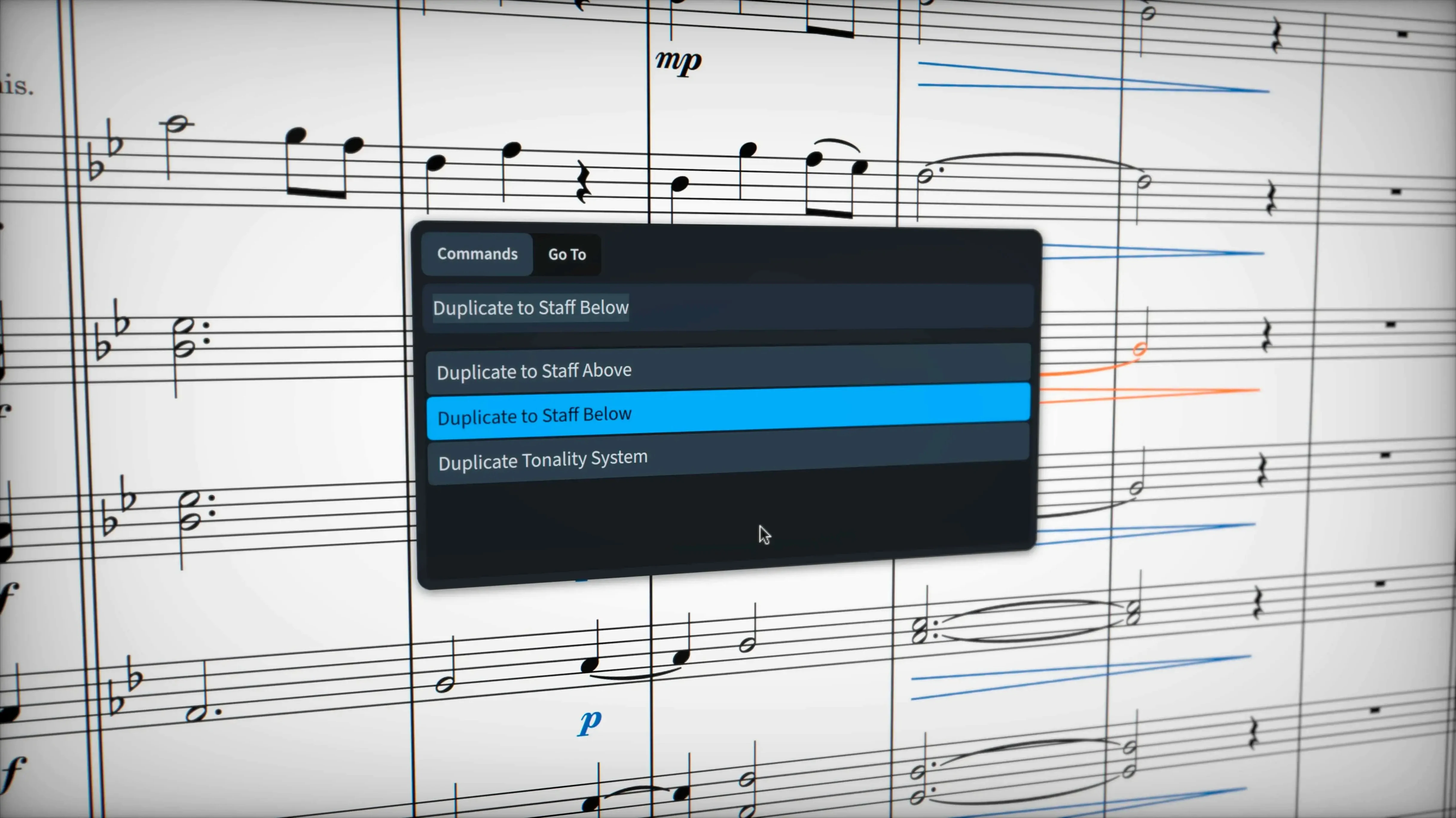
Jump bar. Press J. Type any action—"transpose," "tuplet," "gliss." Faster than menus.
Popover system. Shift-P for playing techniques, Shift-T for tempo, Shift-D for dynamics. A small text field opens at the caret. Type what you want and it formats instantly.
Filter selection. Select a passage, then Edit > Filter. Isolate slurs, dynamics, or lyrics. Edit them all at once.
Glissando line styles. The 6.2.30 update lets you override the appearance per line. Choose the traditional trill wiggle or pull from your project's line styles. Small detail, but it saves swapping graphic files later.
Hidden notes. Improved handling in this release means tuplet brackets and numbers stay correct on export even when notes are hidden. If you do Schenkerian graphs or simplified parts, this matters.
One last thing: Cmd-0 resets zoom. You'll need it.
When you're ready to share, export is straightforward. MusicXML, MIDI, and PDF all work. The engraving engine handles the rest.