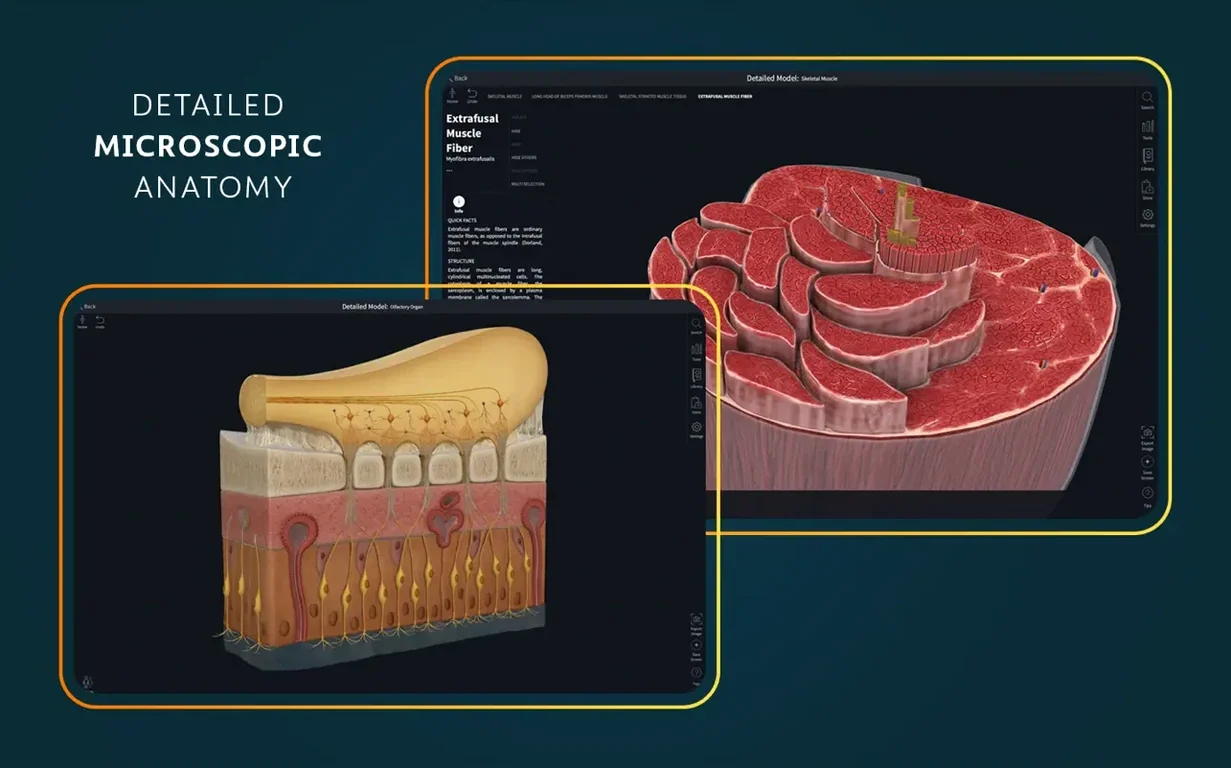
A textbook diagram is flat. Complete Anatomy gives you something to turn, layer and question.
Start here
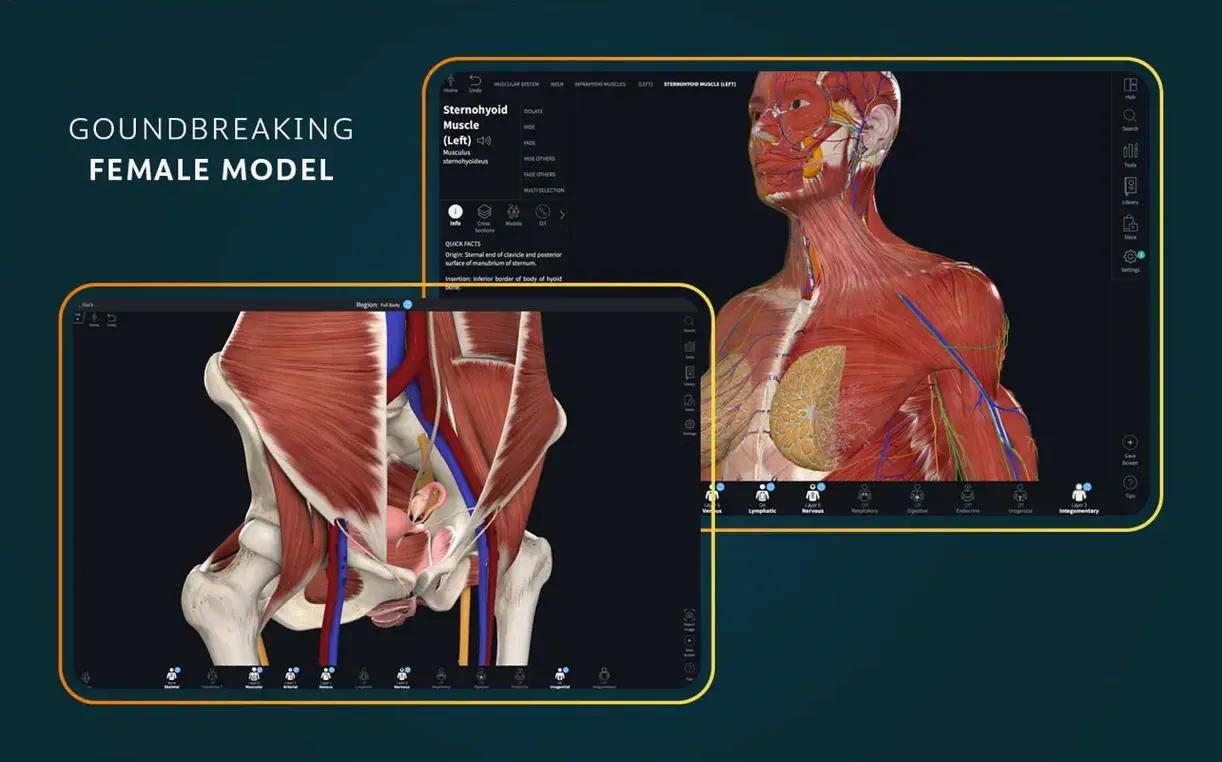
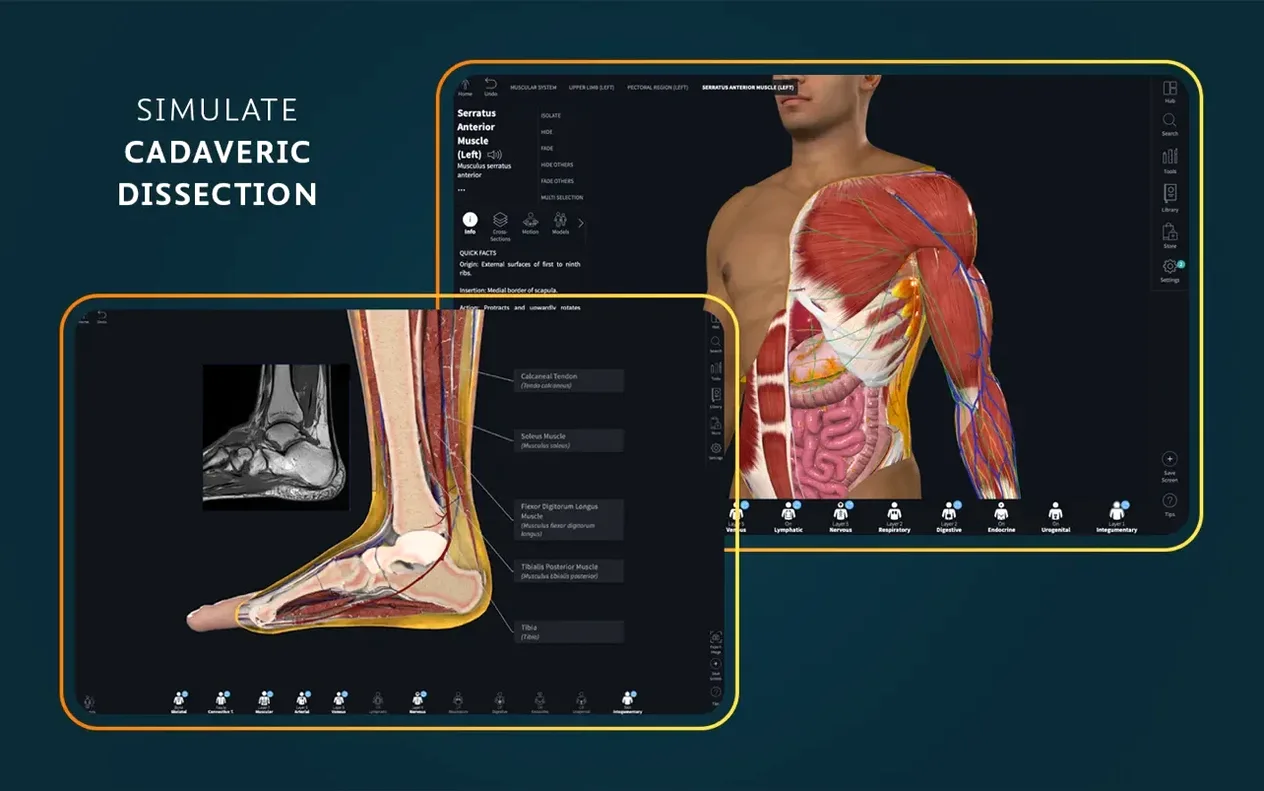
- Open a model and isolate one system. Peel back the muscles to see the vessels beneath.
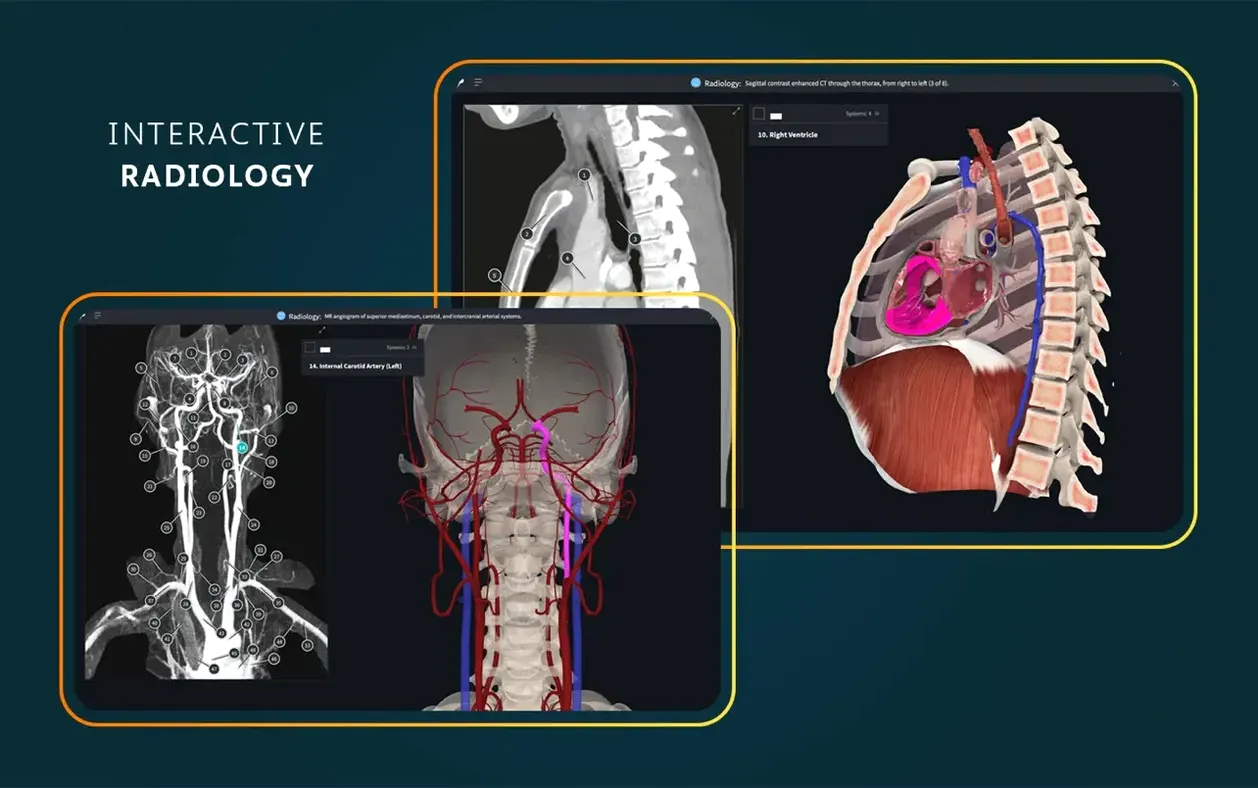
- Switch to radiology view and compare the model with a scan of the same region.
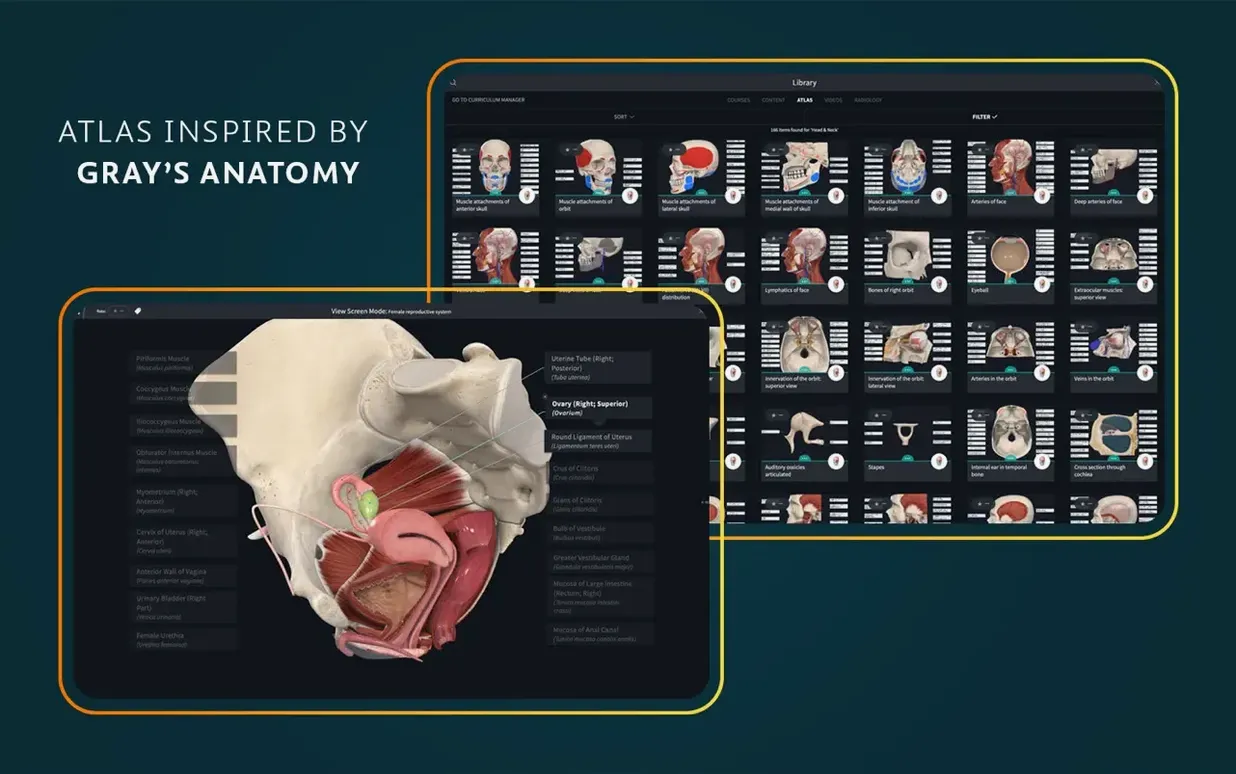
- Browse the atlas when free exploration feels aimless. It has over 700 screens.
Beginners often treat the model like a static photograph. They rotate it once and move on. But you can hold a structure still and move the camera through it — cross-sections are dynamic here, not pre-rendered stills. The real mistake is staying in full-body view. Zoom in. Hide everything except the nerve you are tracing. Then add back structures one by one.
A quiet change arrived in version 11.5. Apple refined iOS 26 behind the scenes, and this app adjusted to match. On Mac, the difference is imperceptible. Models load a beat faster. The interface feels closer to the metal. Nothing advertised, just less friction when you jump between the heart dissection and a clinical video.
Students who live in the library get the most from it. They build their own views, save them and revisit before exams. Physical models in the lab stay on a shelf. This one fits between lecture notes and a coffee cup.
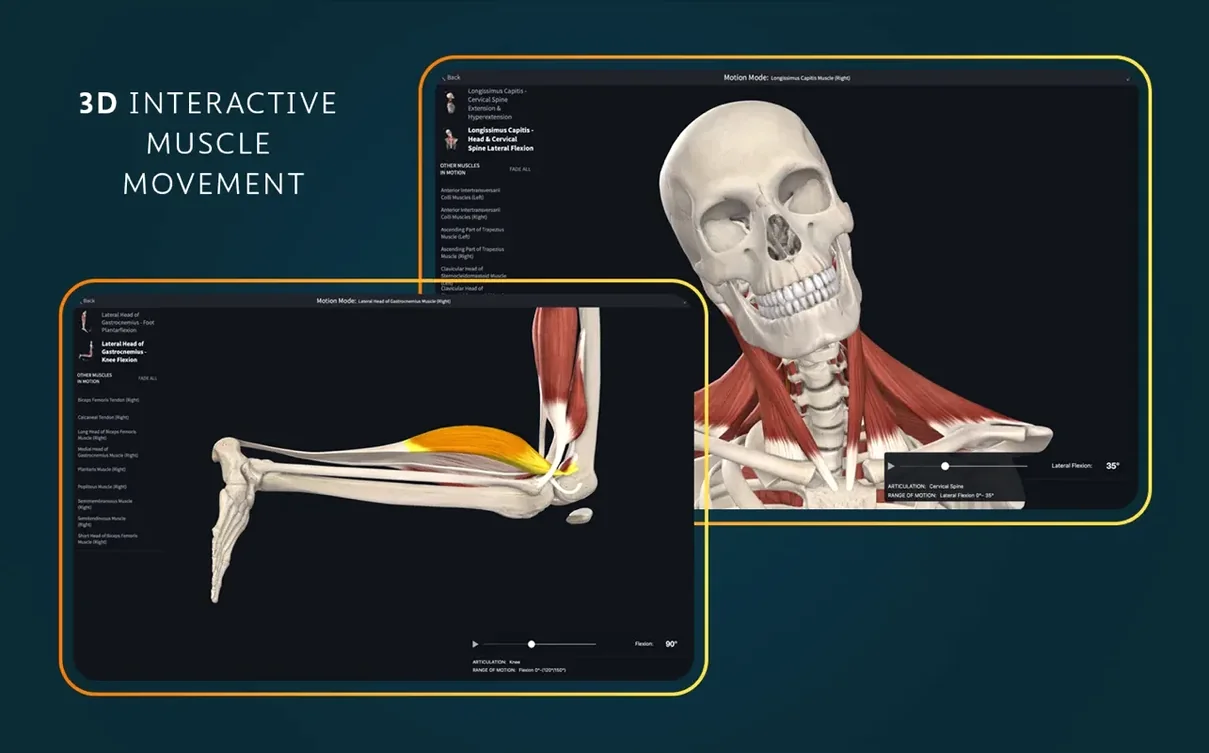
Physical therapy trainees benefit in a different way. They turn off everything except the musculoskeletal system and watch real-time muscle movement. One hip flexion shows origins, insertions and antagonistic pairs better than a dozen printed plates. Instructors use it during small-group sessions, sharing a screen instead of crowding around a single plastinated specimen.
AR mode shifts the room. You place a skeleton on the table in front of you. It sounds like a gimmick until you walk around a knee joint and understand the menisci spatially. Few everyday tools offer that.
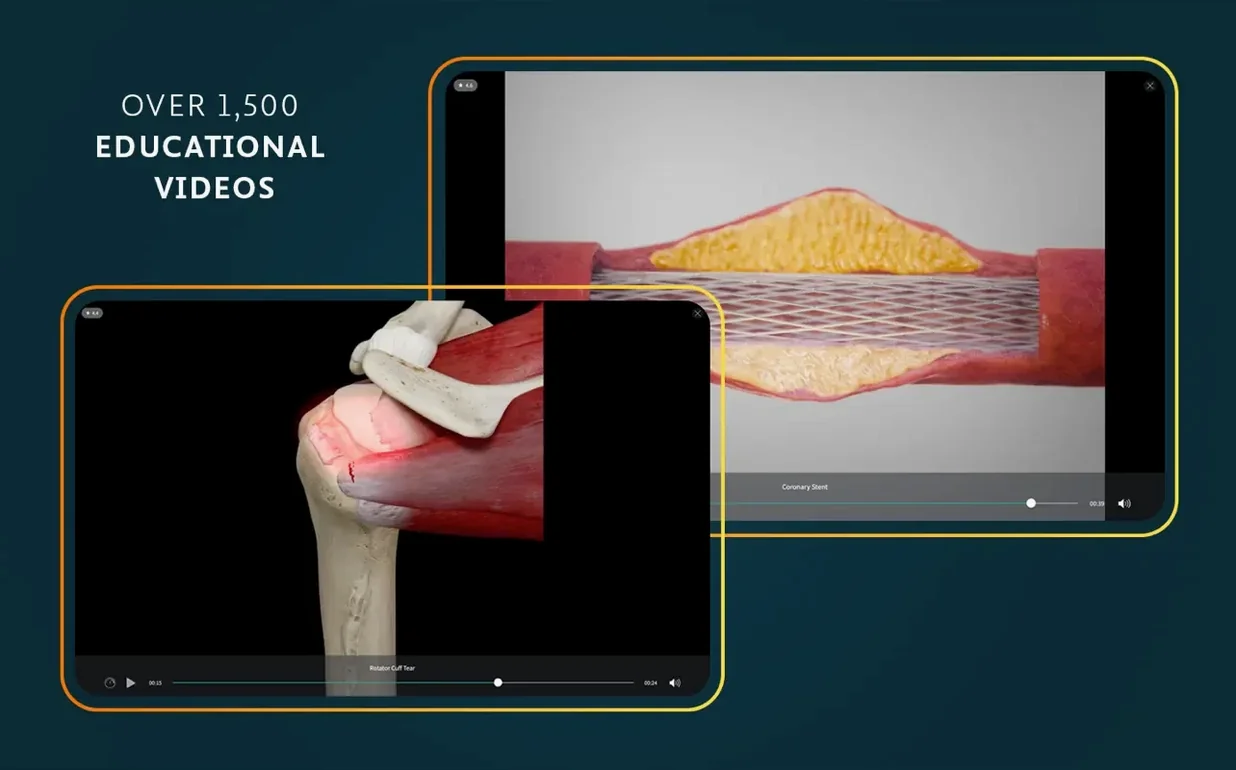
The 1,500 clinical videos reward the curious. Watch a procedure once, then revisit the relevant anatomy in the model. The connection sinks deeper than the sum of the parts.
Dissection courses, clinical correlations and point-of-care ultrasound sit alongside. Nothing crowds you.