
Hardware ID fix
Version 7.1.0 fixes hardware identification on newer machines. A small change. But misidentified hardware skews comparisons, and comparisons are why you run this.
For the experienced eye
- Run a single test first. Warm up the machine. Background tasks settle. Then run the full suite.
- Export the result. The app gives you a raw data file. Feed it to your own spreadsheet, or compare it against anonymized results from other architectures.
- Compare architectures, not just numbers. A score means nothing without context. Cross-platform results let you measure an Intel Mac against a Windows desktop, or an Android phone against an iPhone, on the same workload.
- Ignore the aggregate if you need detail. Separate CPU and memory subtests tell you more than the headline number. Watch for throttling.
Background noise drag
Results sometimes dip for no obvious reason. A few checks save time.
Background noise. Close browsers. Pause sync services. Spotlight indexing or a Time Machine backup will drag down the memory score noticeably. Wait for quiet.
Power. On a laptop, plug it in. macOS throttles aggressively on battery, and the difference can be 15 percent or more.
Thermals. A warm machine throttles sooner. Let it cool for ten minutes between repeated runs. On Intel Macs especially, the fan curve matters. If you hear the fans ramp late, the first run is always optimistic.
Misidentified hardware. This was the main reason for 7.1.0. An unknown CPU string can still happen on very new hardware. A quick reinstall of the Geekbench 7 Mac torrent from a clean source fixes most identification drift.
Before-and-after run
You just swapped thermal paste on an old Intel iMac. You want a before-and-after.
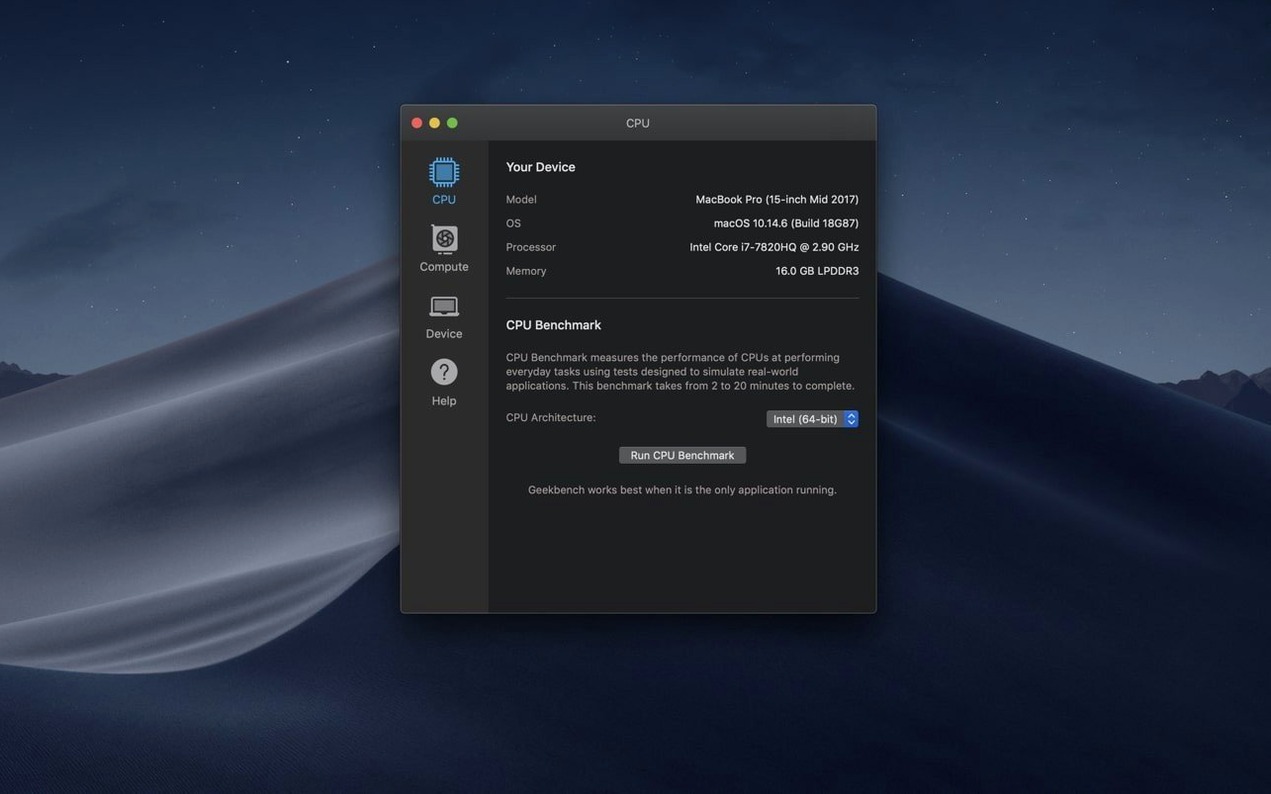
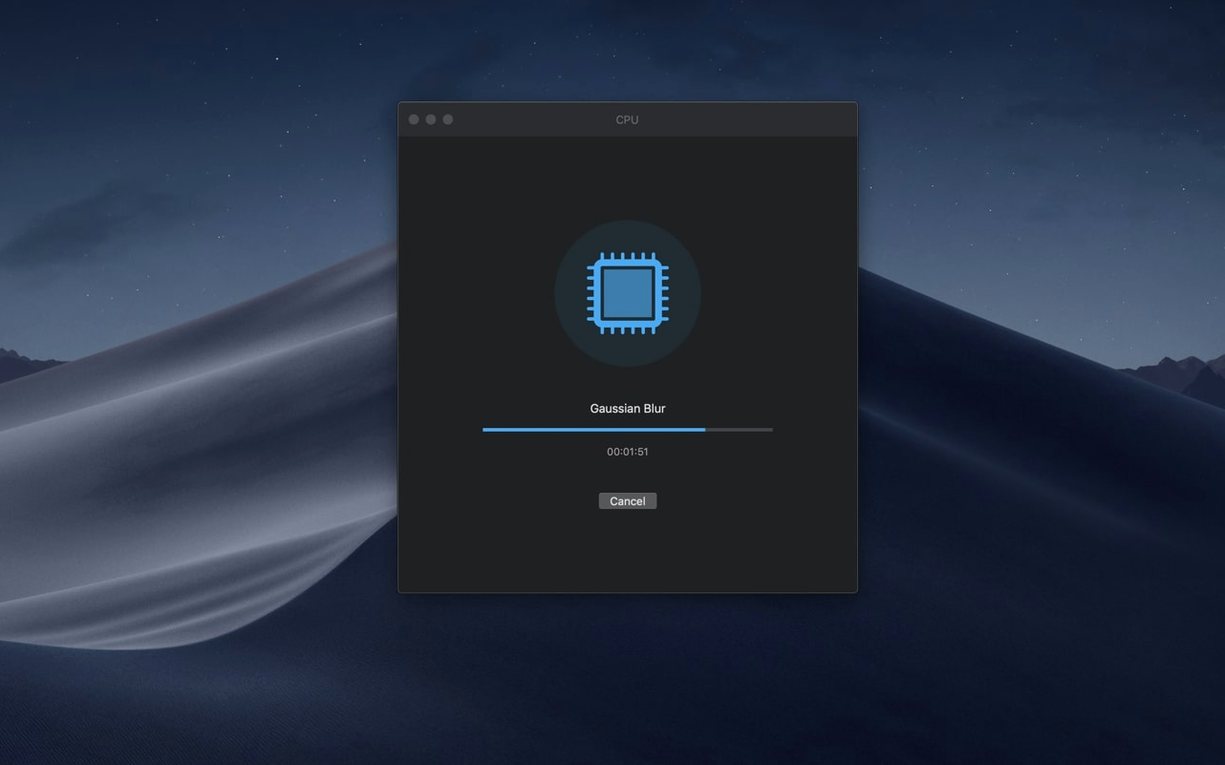
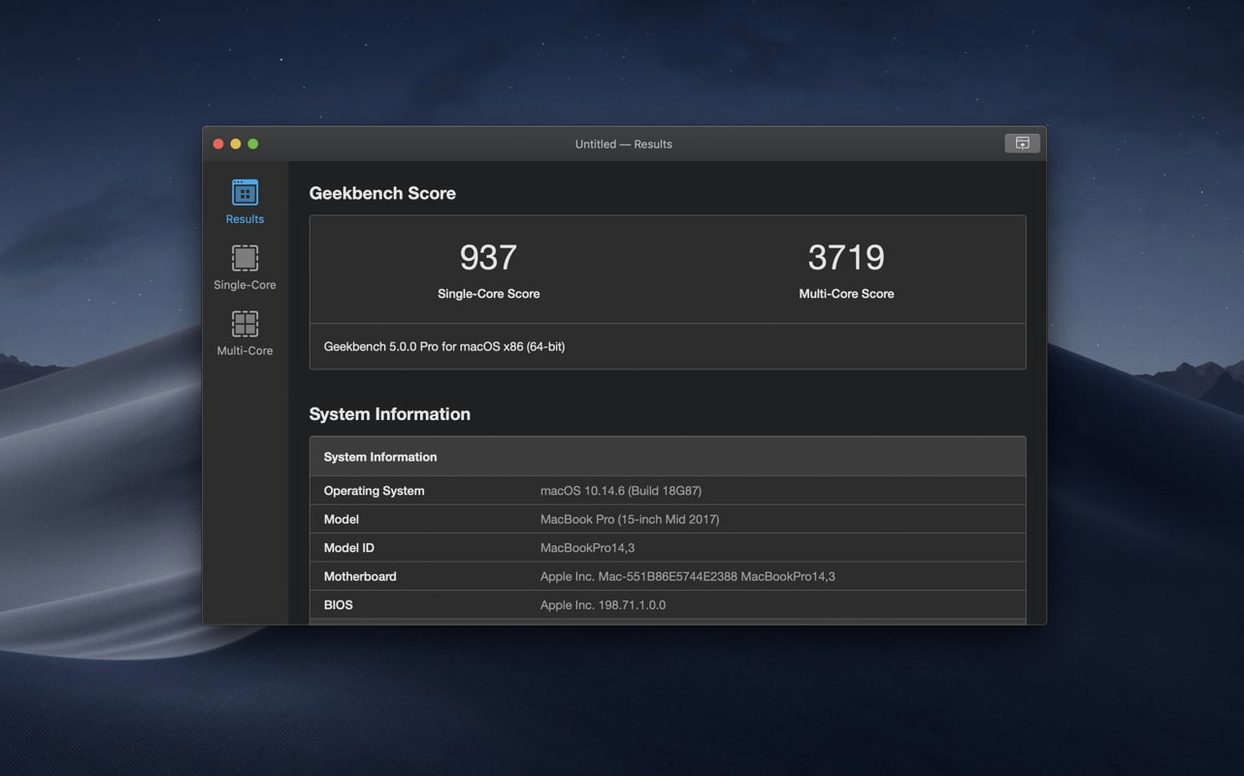
First run, machine idle. You quit Mail, Messages, anything with a badge. Activity Monitor shows CPU flat. You run the CPU benchmark. The fan stays quiet for the first two minutes, then ramps. The score lands at 1287 single-core.
You export the result as a .gb7 file and label it. Then you wait. Ten minutes. The bottom of the case cools.
Second run, identical conditions. 1289. Good. Repeatable.
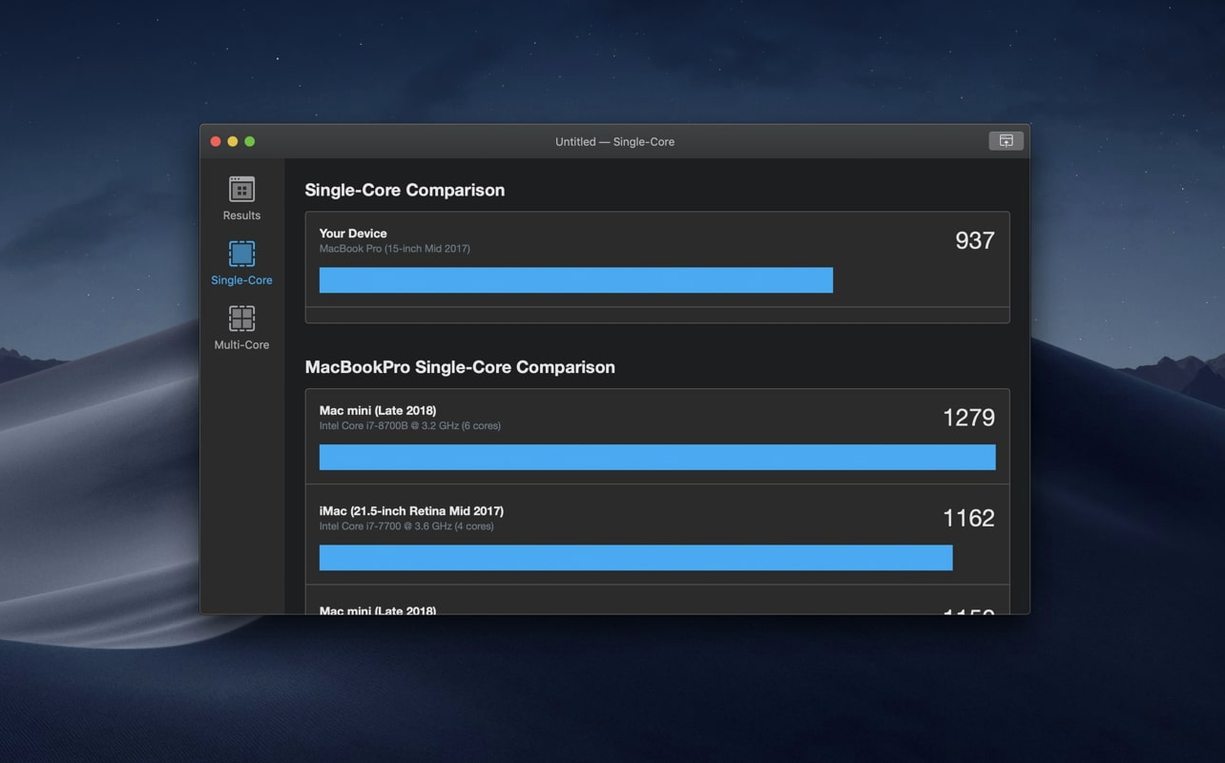
Now you check a Windows laptop from the shared results browser. Same workload, different architecture. A direct comparison. The Intel machine holds its own in single-core but falls behind in multi-threaded integer tasks. You note it. No guesswork.
Geekbench runs the same workload everywhere. That is the whole point. Reliable, repeatable data. No surprises.