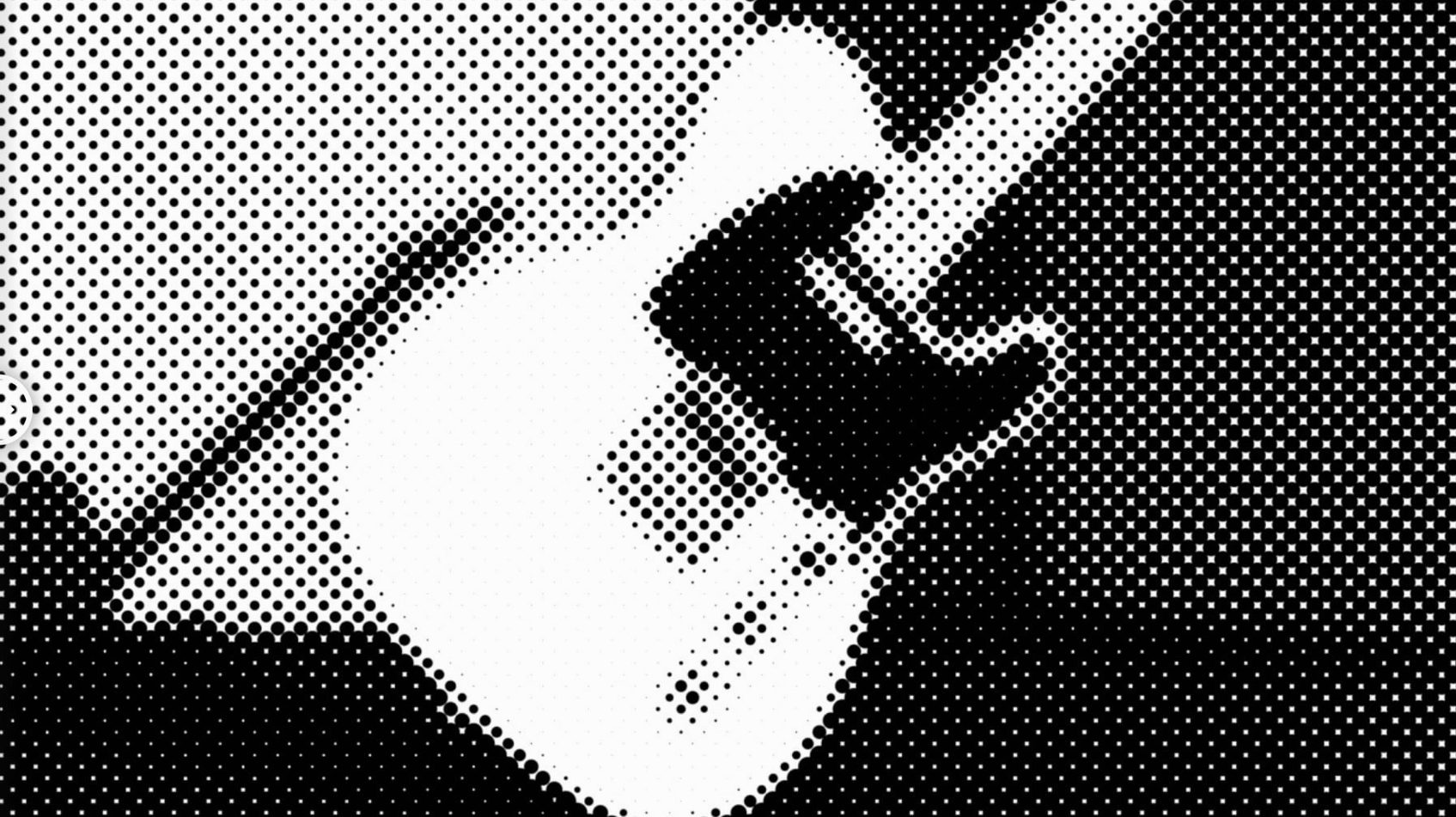
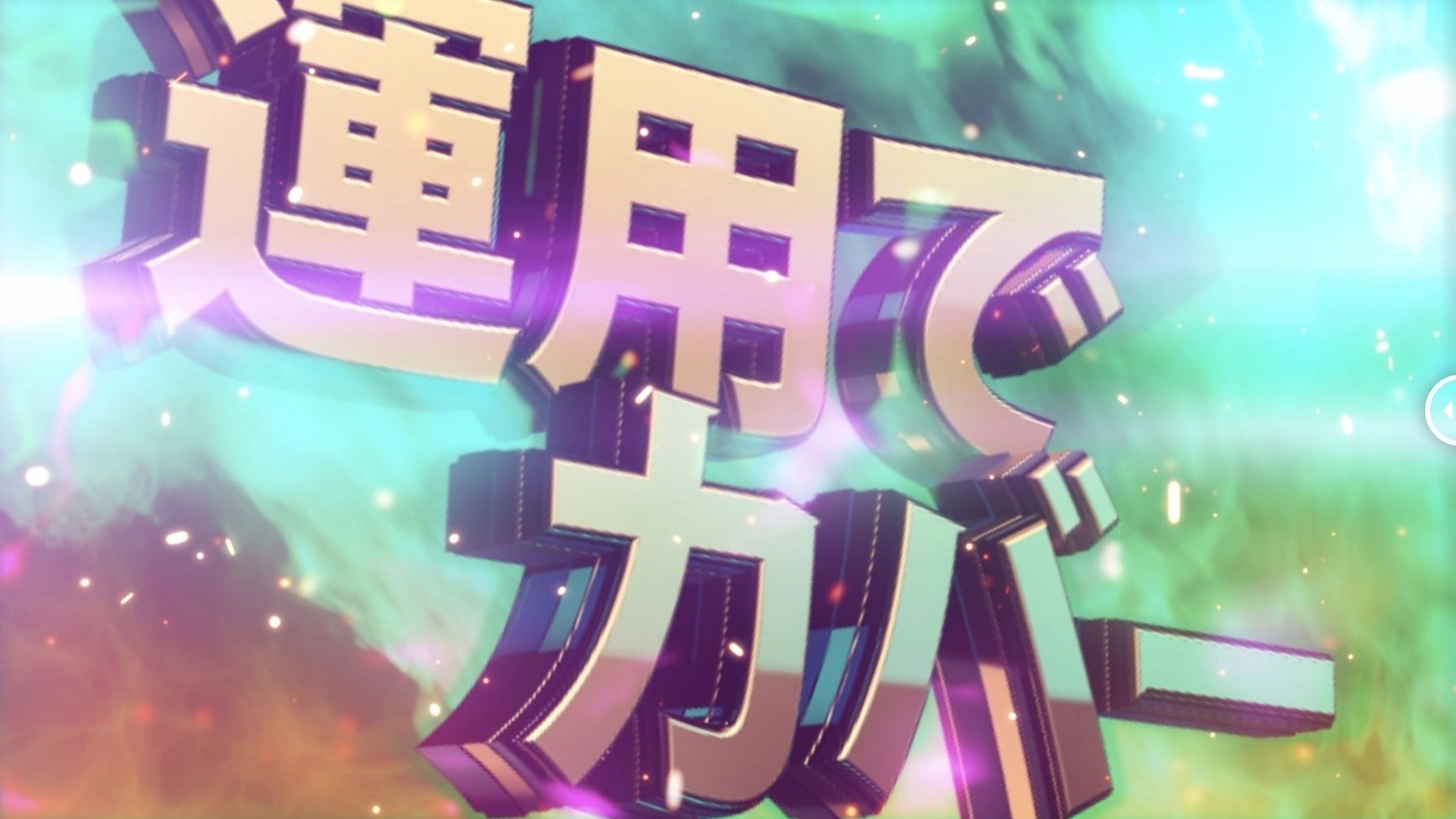
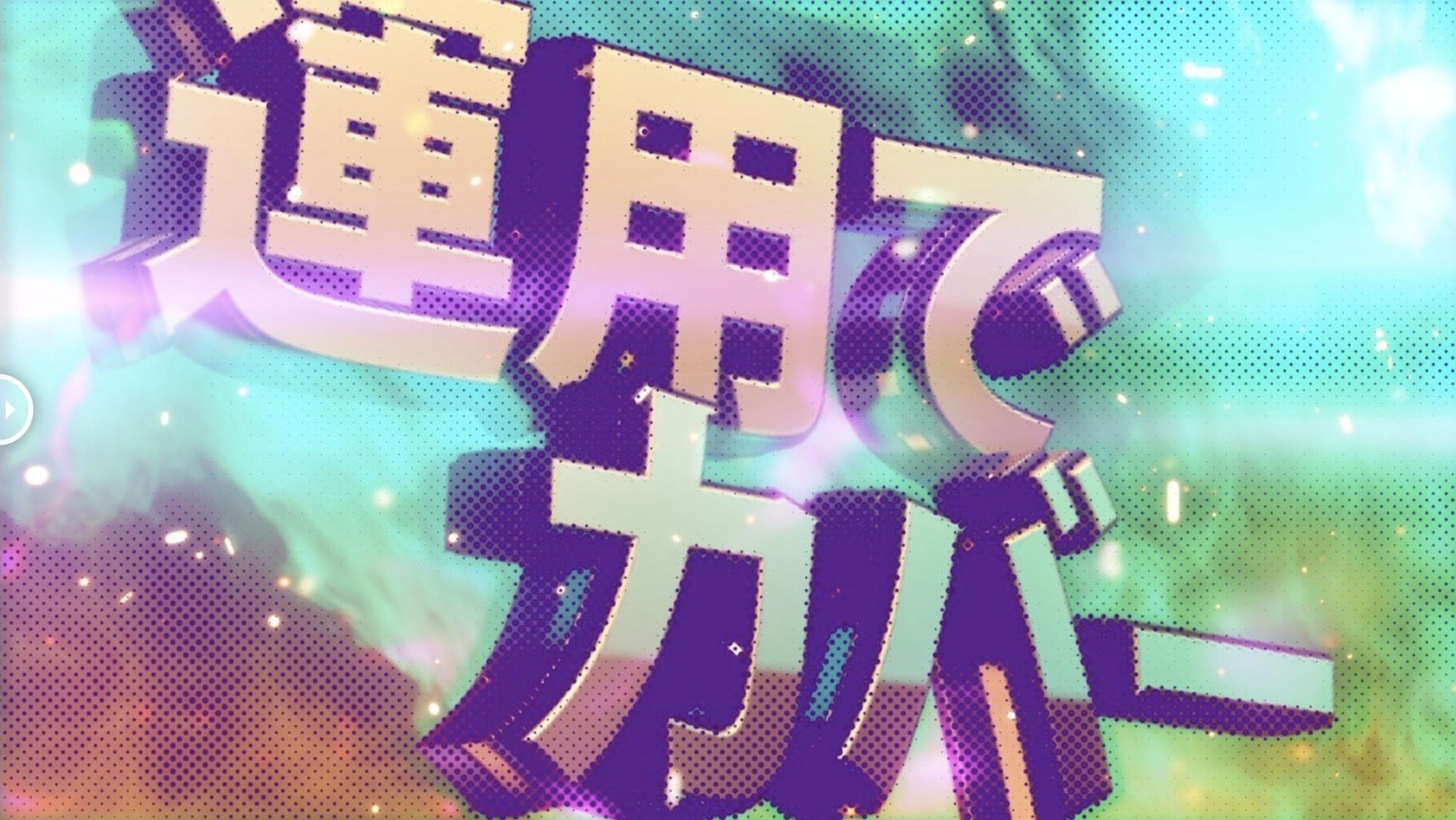
Version 1.5.3 ships with an updated licensing framework, v4.1.4. The processing itself remains a quiet set of precise controls.
- Dot size and rotation
- Offset and alpha threshold
- Sampling method selection
- Native ARM and x86 64-bit support
- Runs in After Effects 2026 through CS5
No layer maps
Does it need layer maps to work? No. Unlike some halftone approaches that ask you to set up gradient maps or pre-comps, this plugin applies the pattern directly to a single layer. Pick a shape, adjust the sliders, and the look builds inside the effect controls.
Will it slow down preview renders? Halftone math is not light, but the plugin handles it without forcing a full layer map stack. On Apple Silicon machines, playback at half or quarter resolution tends to stay responsive. Older Intel machines may need a lower preview quality for complex comps.
Does it respect alpha channels? Yes. The alpha threshold control lets you dial in how transparency interacts with the dot pattern. Fades and semi-opaque areas translate cleanly into halftone dots rather than clipping to solid.
Retro opener grit
Motion designers building retro openers or print-style transitions will reach for it daily. The circle and line shapes map naturally to comic-book and newspaper looks without extra texture layers.
Music video editors who want gritty, photocopied textures in a few clicks get fast results. Adjusting dot size and rotation per beat adds rhythm without leaving the timeline.
Illustrators who animate still work inside After Effects find it useful for bridging graphic and motion styles. A single halftone treatment across a whole comp can tie disparate assets together.
Dot scale break
The most common slip is over-scaling the dot size. Large dots look bold on screen, but they break apart at high resolutions or in full-screen playback. Start small and push up only when the composition size justifies it.
Ignoring the alpha threshold is another. When halftone dots appear to erase themselves at the edges of a matte, the alpha slider almost always resolves it. Beginners tend to tweak opacity instead, which muddies the pattern.
Each slider pulls the image toward newsprint or away from it. The interface stays out of the way.